
Reviewed · MILAN HIDDEN GEMS WALKING TOURS
Milan Off-the-Beaten-Path Private Walking Tour
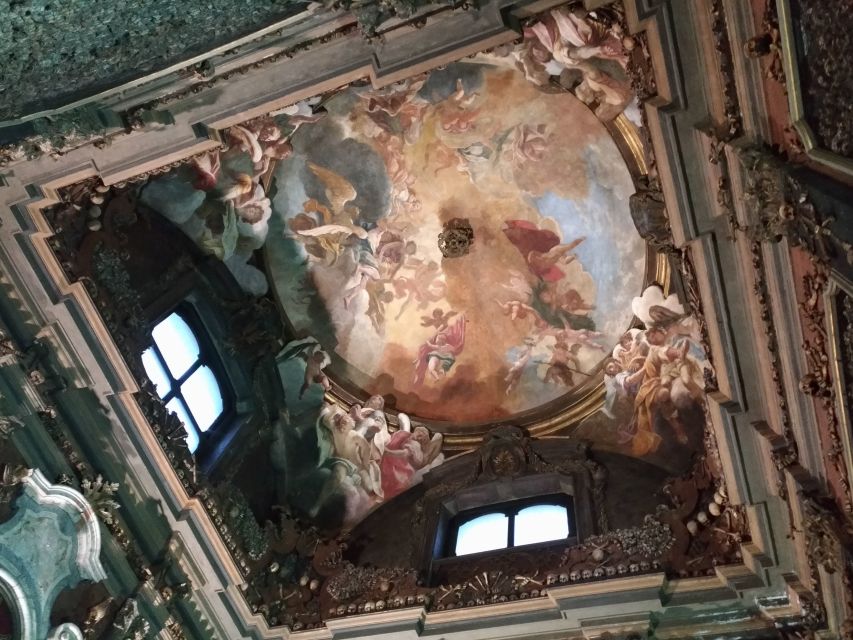
San Bernardino alle Ossa is the sort of place that changes your view of Milan in minutes. Its small chapel, decorated with human bones, gives the tour an unusual start, while nearby Santo Stefano and Santa Maria presso San Satiro reveal a quieter side of the city most people miss.
I like the way this walk links Roman Milan with churches, legends, and tucked-away details rather than simply circling the Duomo. I also like the small group cap of 10 and the chance to benefit from guides such as Vera and Laura, who have been praised for clear explanations and quick answers. The drawback is the price: at $101 per person for 90 minutes, you are paying for a short, specialized introduction, not a full-day tour.
Key points at a glance
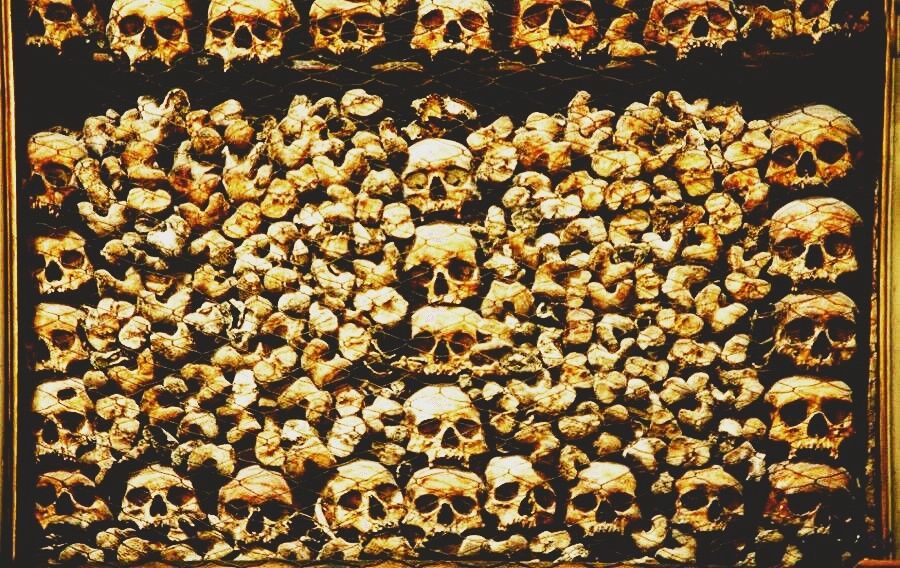
- San Bernardino alle Ossa: See one of Milan’s most unusual religious interiors and learn why the church has its grim name.
- Santa Maria presso San Satiro: Visit a church known for its concealed gallery and clever interior design.
- Roman-era Milan: Hear about the city’s Roman period, the Herculean baths, and the crypt of San Giovanni in Conca.
- A quieter route from the Duomo: Move beyond the cathedral to Santo Stefano, San Babila, San Gottardo, and other less-visited places.
- Small English-speaking group: The tour is limited to 10 people, with guides including Vera and Laura.
- Short but concentrated: The 1.5-hour walk suits a first afternoon in Milan, but the pace may feel brisk.
Why this Milan walk feels different
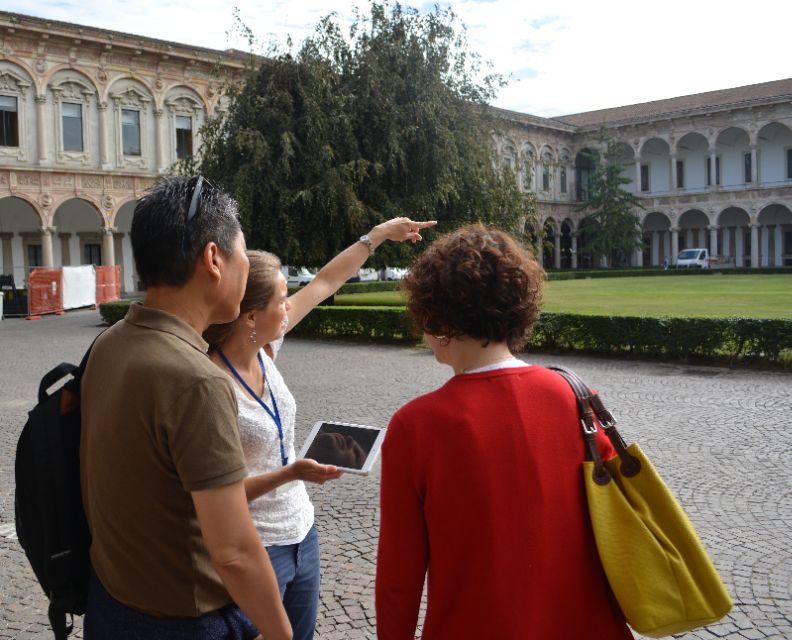
Milan is easy to reduce to three sights: the Duomo, Galleria Vittorio Emanuele II, and La Scala. Those places deserve attention, but they do not explain the city’s stranger, older character. This walk takes you a few steps away from the main sightseeing circuit and points out places you could easily pass without noticing.
The mood changes quickly. Around the Duomo, the city feels grand and heavily visited. Near San Bernardino alle Ossa, the subject turns to mortality, old religious customs, and the meaning behind a name that sounds like a warning. At Santa Maria presso San Satiro, the surprise is more artistic and architectural, with a gallery that creates an unusual sense of depth.
You also get stories that connect modern Milan to earlier eras. The guide discusses the Roman period, the Royal Palace, San Gottardo’s legend, the orthodox church, the Herculean baths, and a concealed gallery near San Babila. Some of these may be short stops or outside explanations rather than long interior visits, so think of the tour as a guided walk through a group of related sites.
That format is useful if you want context. Milan’s older remains are often scattered among ordinary streets and later buildings. A guide helps you notice the layers instead of treating each church as an isolated stop.
More hidden-corner walks in Milan:
- The Secrets to Learn Fresh Pasta and Tiramisù in a Glam Home
★ 5.0 · 1,182 reviews - Milan: Hidden Gems Guided Bike Tour
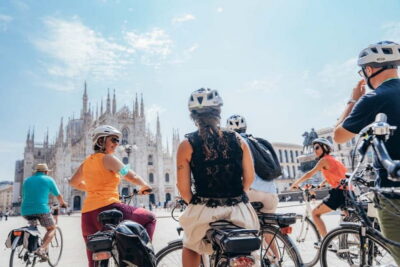
★ 4.8 · 1,040 reviews - Milan’s Hidden Gems: Unique Bike Tour (ENG, NL)
★ 5.0 · 970 reviews
Starting beneath the Duomo
The meeting point is in Duomo Square, in front of the Museo del Novecento, at Palazzo dell’Arengario on Via Marconi 1. This is a practical place to begin because the Duomo is easy to locate, though the square can be busy and crowded.
You will meet the English-speaking guide here before setting off on foot. The walk returns to the Duomo area at the end, so you do not need to arrange transport back to your hotel or find a distant finishing point.
The route is only 1.5 hours long. That is enough time for a focused introduction, but not enough for long visits at every place named in the program. You should expect a steady walk, short explanations, and selected interior stops rather than a leisurely church-by-church study.
I would book this near the beginning of your Milan stay. It can help you understand the central area before you explore it alone, and it may point out locations you can revisit later at your own pace.
San Bernardino alle Ossa and Santo Stefano
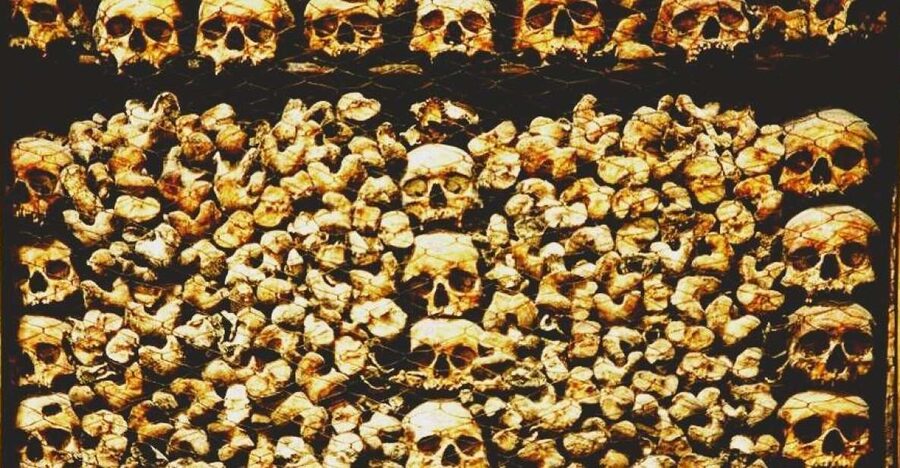
San Bernardino alle Ossa is the tour’s most striking stop. The church is known for its ossuary chapel, where bones form part of the decoration. The setting is solemn rather than playful, and the subject can be uncomfortable for some people, but it offers a direct look at an older religious view of death and remembrance.
The church’s name refers to the bones associated with the site. Your guide explains the reason behind the name and places the chapel within Milan’s religious past. This is where the tour’s title makes sense: the site is close to the Duomo, yet many people walk nearby without ever entering.
Santo Stefano is also included in the visit. The supplied program gives less detail about the time spent there, so you should not expect a long specialist lecture on every part of the building. Its value is in seeing how several religious sites sit close together, each with a different tone and story.
Wear suitable clothing for these churches. The stated rule is that shoulders, mid-section, and knees should be covered for both men and women. This is worth planning for, especially in warm weather, when shorts and sleeveless tops are common.
The bone chapel may be the most memorable stop for one person and the least comfortable for another. If you prefer art, architecture, and city stories without religious displays involving human remains, keep that in mind before booking.
Roman Milan, the Royal Palace, and San Gottardo
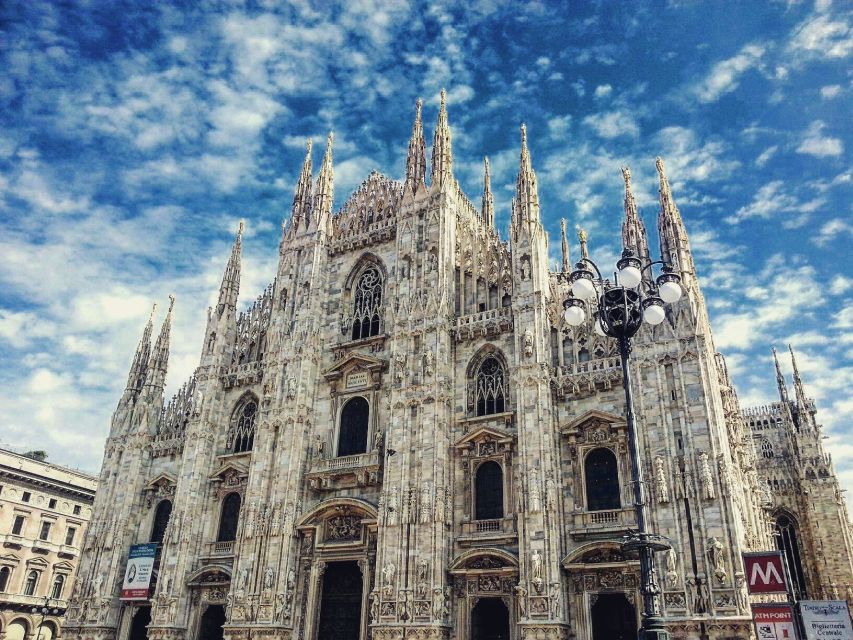
The walk does more than connect churches. It also introduces Milan during the Roman period, which gives the surrounding streets a longer timeline. The city’s older traces are not always presented as a single archaeological site. Instead, the guide helps connect scattered references to the way Milan developed.
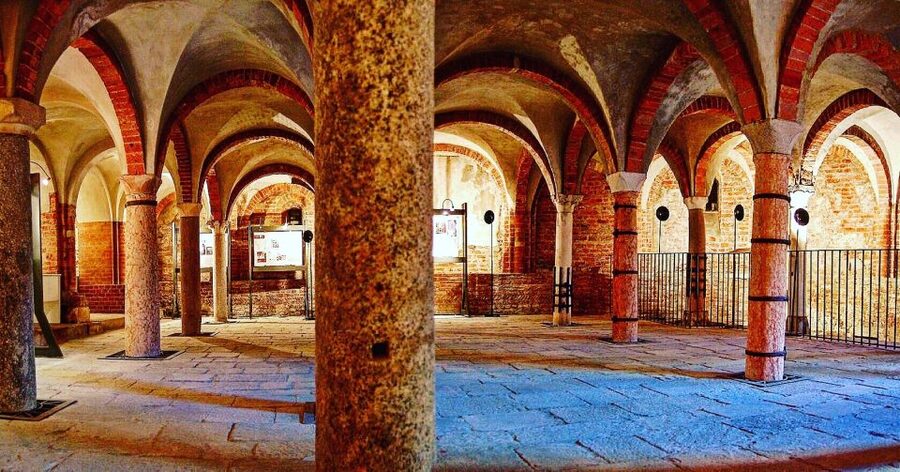
The crypt of San Giovanni in Conca is part of the tour’s stated subject matter. Crypts can be brief visits, and the exact amount of time available depends on the pace of the group and access on the day. Still, this stop adds another underground and early-Christian layer to the route.
You will also hear about the Royal Palace, now closely associated with Milan’s central civic and cultural life. The palace helps explain why this part of the city became a center of power, while the church stops show how religious buildings shaped the same area.
San Gottardo comes with a legend, giving the walk a change of tone. Not every stop needs a long historical lecture. A local story can make a street corner easier to remember, particularly when you later pass it on your own.
The program also refers to the Herculean baths. The available details do not promise a major archaeological visit, so treat this as a historical reference or brief point along the walk unless your guide confirms more on the day. The benefit is still real: you begin to see modern Milan as a city built over earlier Roman and medieval layers.
More walking tours in Milan:
- Milan: Guided Walking Tour & Last Supper Visit with Ticket
★ 4.7 · 5,409 reviews - Milan: Guided Walking Tour with Last Supper Skip-the-Line
★ 4.7 · 1,143 reviews - Milan: Guided Street Food Walking Tour with Food Tasting
★ 4.8 · 654 reviews - Milan: Guided Walking Tour with Duomo and the Last Supper
★ 4.7 · 615 reviews
Santa Maria presso San Satiro and the concealed gallery
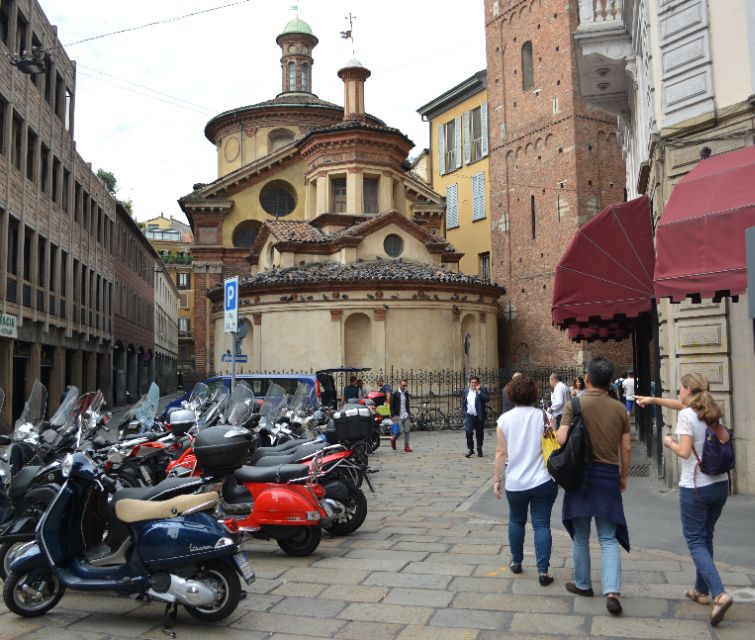
Santa Maria presso San Satiro is another strong reason to choose this route. The church is known for a concealed gallery that creates the impression of a deeper space than the building can physically contain. The effect is a reminder that Milan’s best surprises are not always large or famous.
Your guide can explain how the church’s design works and why the gallery matters. This is especially useful if you enjoy architecture but do not want a technical lecture. You get a clear story attached to a visual trick, and the church becomes easier to remember than a building seen only in passing.
The visit also adds balance to San Bernardino alle Ossa. One church confronts you with bones and mortality. The other rewards careful looking and architectural curiosity. Together, they show two very different ways Milan’s religious buildings hold attention.
As with the other churches, time is limited. You may not have enough time to study every chapel, painting, or architectural detail. If Santa Maria presso San Satiro is a priority for you, note the name and consider returning later for a slower visit.
San Babila and the route’s lesser-known corners
The tour continues toward other out-of-the-way points, including San Babila and a hidden gallery. The available description also refers to an orthodox church. These references suggest that the walk is not limited to one period or one style of building.
That variety is useful. You may move from Roman remains to a church legend, then to an unusual interior or a place connected with another Christian tradition. It keeps the 90 minutes from becoming a single-subject lecture.
At the same time, the number of places named in the program is large for such a short walk. The guide cannot give every location equal attention. Some sites may be viewed from the street, mentioned while walking, or covered in a short explanation.
One past participant felt the tour offered slightly less than the stated duration and wanted one or two more stops. That is a fair point to consider. A 90-minute walk can feel short if you are expecting a complete tour of every site listed. I would book it for its unusual focus, not for the quantity of entrances.
What the guides add
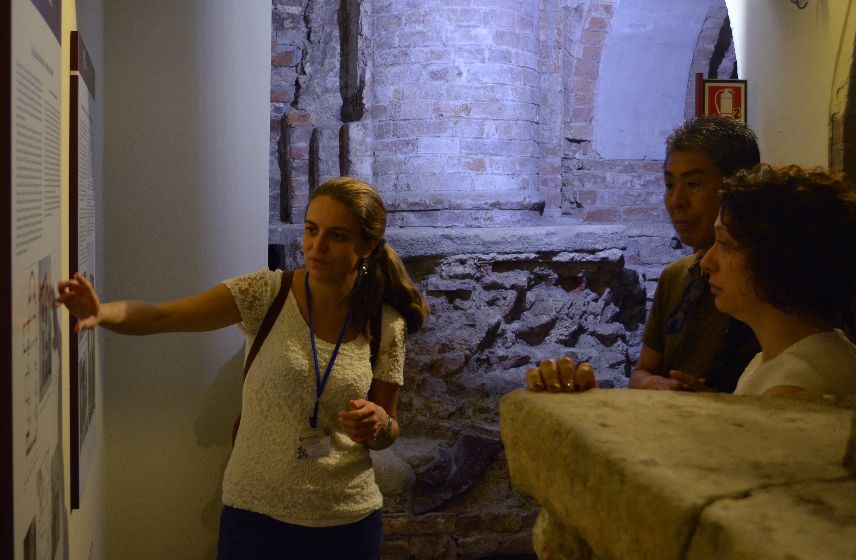
The tour is conducted in English, and the guide is one of its most important parts. Vera received especially warm praise for making the walk enjoyable from start to finish. Laura was also described as approachable and able to handle spontaneous questions.
Another guide was praised for detailed explanations of Milan during the Roman period. That matters because the route depends on connections between places. A guide who simply names each church would leave you with a list. A guide who explains how the sites relate to Milan’s development gives you a better sense of the city.
The small group limit of 10 should make questions easier than on a large coach-style excursion. It does not guarantee a private conversation at every stop, but the format is well suited to asking about an unusual detail or requesting clarification.
The tour is described as private, while the group information sets a maximum of 10 participants. If having the guide entirely to yourself is essential, confirm the exact arrangement before paying. The published group limit indicates a small-group format rather than a guaranteed one-party booking.
Is $101 a fair price for 90 minutes?
At $101 per person, this is not a bargain walk. The price makes more sense if you value a specialist route, an English-speaking guide, and access to several places you might not find easily on your own.
The tour includes taxes and the guide, and skip-the-ticket-line access is listed. The short duration keeps the commitment manageable, but it also limits the amount of detail you receive. You are paying for selection and explanation, not hours of sightseeing.
I would compare the price with your priorities:
- If you have only a day or two in Milan, the tour gives you a quick view beyond the main monuments.
- If you enjoy unusual churches, Roman-era stories, and architectural details, the route has a clear purpose.
- If you want maximum time inside each building, $101 may feel high.
- If you are already comfortable researching Milan and navigating on foot, you may prefer visiting the main sites independently.
The strongest value comes from the guide’s ability to point out places you would otherwise miss. The weaker value comes from the short running time. This is a targeted add-on, not a replacement for a full Milan sightseeing day.
You can reserve now and pay later, and cancellation is allowed up to 24 hours before the start for a full refund. Those terms help if your Milan schedule is still changing.
Who should book this walk?
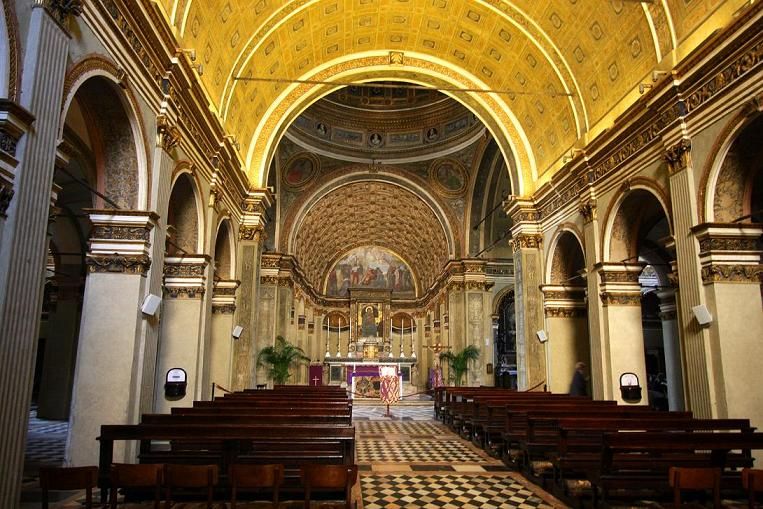
I would recommend it to first-time visitors who have already planned the Duomo but want something less predictable. It also suits repeat visitors who have seen Milan’s headline sights and now want smaller churches and historical fragments.
Architecture fans should pay attention to Santa Maria presso San Satiro. People interested in religious art and customs may find San Bernardino alle Ossa especially memorable. Anyone curious about Roman Milan will benefit from the historical links offered along the route.
Families should consider the subject matter before booking. The bone chapel is not presented as a frightening attraction, but human remains are central to the site. Young children may also find the short historical explanations less engaging than a longer, more visual activity.
The walk is a good match for people who like asking questions. The small group and the examples of guides answering spontaneous questions suggest a more personal experience than a scripted transfer or large city circuit.
You should also be comfortable walking for 90 minutes and entering churches under the stated clothing rules. The information provided does not give further accessibility details, so ask the provider if you need specific arrangements.
Final verdict: book it for the unusual stops
Book this tour if you want Milan to feel less familiar and more layered. San Bernardino alle Ossa, the crypt of San Giovanni in Conca, and Santa Maria presso San Satiro offer a sharper sense of the city than another pass through the Duomo square.
I would not book it expecting a long, slow examination of every location. The route covers a lot in 90 minutes, and one past assessment found the value a little weak for the time offered. But if Vera, Laura, or another strong guide leads the walk, the explanations can turn a short route into a useful introduction to Milan’s quieter side.
For me, the decision comes down to interest. If the thought of a bone chapel, a concealed architectural gallery, Roman traces, and old legends appeals to you, the focused route is worth considering. If you want only the major monuments, spend the $101 elsewhere.
FAQ
How long is the Milan Off-the-Beaten-Path walking tour?
The tour lasts 1.5 hours, or 90 minutes.
Where does the tour meet?
The meeting point is in Duomo Square, in front of the Museo del Novecento at Palazzo dell’Arengario, Via Marconi 1.
Where does the walking tour finish?
The route begins at the Duomo and returns to the Duomo area at the end.
What language is the tour conducted in?
The tour is conducted in English by a live English-speaking guide.
How large is the group?
The group is limited to 10 participants.
What should I wear to enter the churches?
Your shoulders, mid-section, and knees should be covered. This rule applies to both men and women.
Can I cancel or pay later?
You can cancel up to 24 hours in advance for a full refund. Reserve now and pay later is available, so you do not have to pay at the time of booking.
Just added around Milan
- Visit of Verona and Lake Garda. Full day tour from Milan★ 4.6 · 5 reviews
- From Milan: Villa del Balbianello and Varenna by Train★ 4.2 · 27 reviews
- Trekking in the Wood with picnic on the turtles lake★ 5.0 · 9 reviews
- Explore History and Style with this Walking Tour in Milano★ 5.0 · 15 reviews
- Hot air balloon flight Milan Monday-Friday★ 5.0 · 18 reviews
- Trekking in the Wood with picnic on the turtles lake★ 5.0 · 8 reviews
- LINATE – MILANO airport transfer★ 4.5 · 14 reviews
- Lake Como trekking private guided tour, from Milan★ 5.0 · 9 reviews
Milan Hidden Gems Walking Tours, compared.

The Secrets to Learn Fresh Pasta and Tiramisù in a Glam Home
Read our review →
Milan’s Hidden Gems: Unique Bike Tour (ENG, NL)
Read our review →
Small-Group Lake Como – Bellagio, Varenna & Hidden Waterfall
Read our review →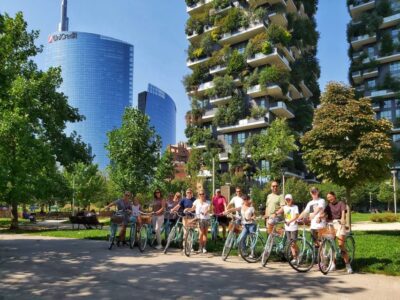

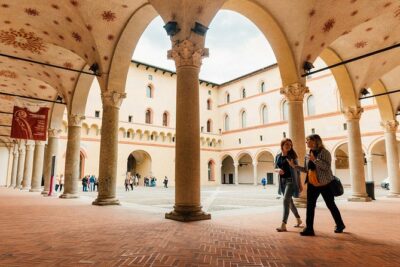
Milan Highlights and Hidden Gems Private Guided Walking Tour
Read our review →Browse the lists this tour appears in