
Reviewed · BRERA & PINACOTECA ART TOURS
Milan: Pinacoteca Ambrosiana and San Sepolcro Crypt Ticket
The real prize here is the Pinacoteca Ambrosiana, a compact Milan museum with an unusually strong line-up: Caravaggio’s Basket of Fruit, Raphael’s Cartoon for the School of Athens, Brueghel’s flower painting, and Leonardo da Vinci’s Portrait of a Musician. I like that you can see major works without giving up half a day, and I like the way the collection links art with books, drawings, and the city’s past.
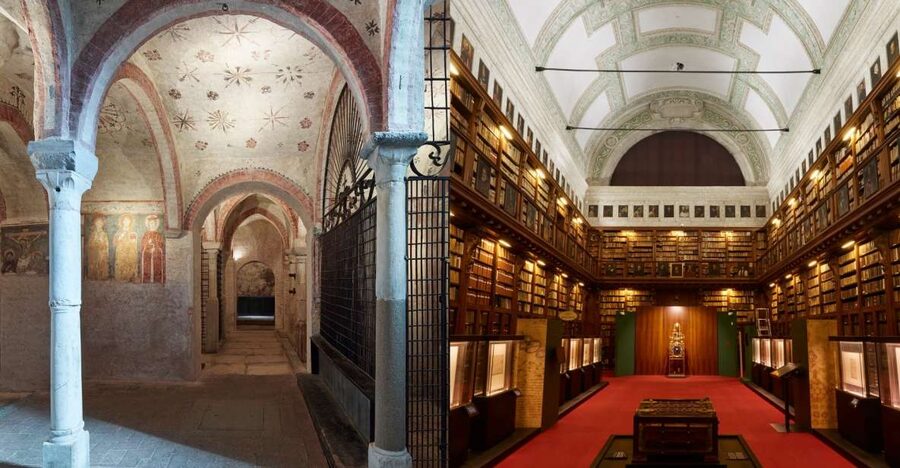
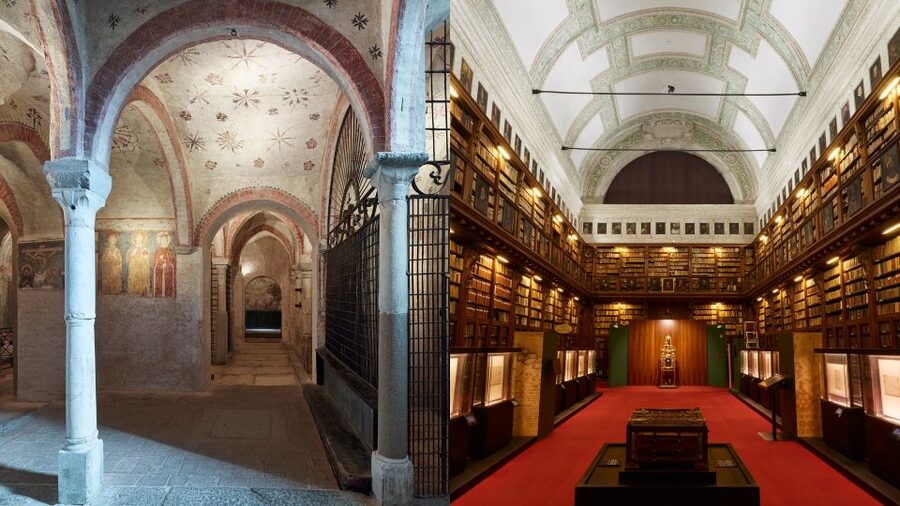
The combined ticket also includes the San Sepolcro Crypt, a short walk inside Milan’s ancient foundations. The crypt adds a welcome change of pace, though it is small and can feel plain if you expect a grand underground cathedral. Plan your timing carefully: the museum takes about 1.5 hours, while the crypt takes 30 to 40 minutes and closes at 6:00 PM.
Key points at a glance
- See four major artists in one compact museum: Caravaggio, Raphael, Brueghel, and Leonardo da Vinci are the main draws.
- Visit the historic library reading room: The 17th-century room displays original Leonardo drawings from the Codex Atlanticus.
- Walk over ancient Milan: The Crypt of San Sepolcro has a floor made with stones from Roman-era Mediolanum.
- Use your time freely: This is an admission ticket, not a guided group tour, so you set the pace.
- Allow two to three hours: The gallery usually takes around 90 minutes, and the crypt adds another 30 to 40 minutes.
- Stay aware of the closing time: The crypt’s last admission is at 5:30 PM, so do not leave it until the final minutes.
Why the Ambrosiana deserves a place near the Duomo
Milan is famous for the Duomo, the Last Supper, fashion, and grand shopping streets. The Pinacoteca Ambrosiana gives you something quieter and more focused. It is only about five minutes on foot from the Duomo, making it easy to add between major sights.
I especially like the scale. You do not need to march through endless galleries to reach the important works. You can give real attention to the paintings, sit down when you need to, and still finish in time for another Milan stop.
The museum is also more than a picture gallery. Its collection reflects the interests of Cardinal Federico Borromeo, who founded the Ambrosiana as a place for art and learning. That helps explain the mix of paintings, drawings, manuscripts, sculptures, and book-related displays.
Some rooms are stronger than others, and the lighting may not please everyone. A few paintings receive less space or explanation than the major works. Still, the best pieces carry the visit, and the building itself adds to the experience.
More Brera and Pinacoteca art tours:
- Milan: Pinacoteca Art Gallery and Brera District Guided Tour
★ 4.8 · 326 reviews - Private Milan Food Walking Tour of Brera
★ 5.0 · 217 reviews - Pinacoteca Ambrosiana and da Vinci’s Codex Atlanticus admission in Milan
★ 4.5 · 169 reviews
Starting at Piazza Pio XI
Your visit begins at the Pinacoteca Ambrosiana, at Piazza Pio XI 2. The ticket covers admission to both the museum and the crypt, but the two sights are not entered through one shared door. You start at the museum, then exit onto Piazza San Sepolcro, where the crypt entrance is located.
This arrangement is simple, but it affects your planning. Do not treat the crypt as an optional first stop. You need to see the Pinacoteca before moving on, and you need to leave enough time for the crypt’s final admission.
The visit is self-guided. That means you can linger over Leonardo, move quickly through familiar religious scenes, or return to a favorite room. If you prefer a guided explanation of every work, this ticket may feel basic. If you like choosing your own pace, it gives you freedom without a group leader hurrying you along.
An app is available to download to your device, and you can listen to it after the visit as well. A separate audio guide has also been available for a small additional fee, reported at about €4. Check the current arrangement when you enter, since the ticket itself does not promise a live guide or an included headset.
The paintings worth planning around
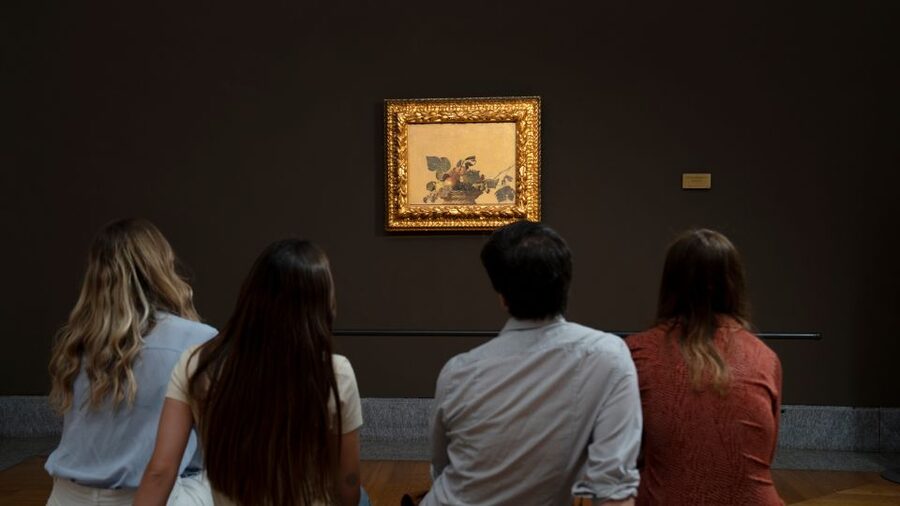
The first major stop for many people is Caravaggio’s Basket of Fruit. The subject sounds ordinary, but the painting rewards a close look. Caravaggio gives the fruit weight, texture, and signs of age. Leaves curl, surfaces bruise, and the basket seems to press toward the edge of the picture.
I would not rush past this work. It is one of those paintings that explains why Caravaggio remains so powerful. The drama does not come from a saint or a battle. It comes from ordinary objects painted with unusual force.
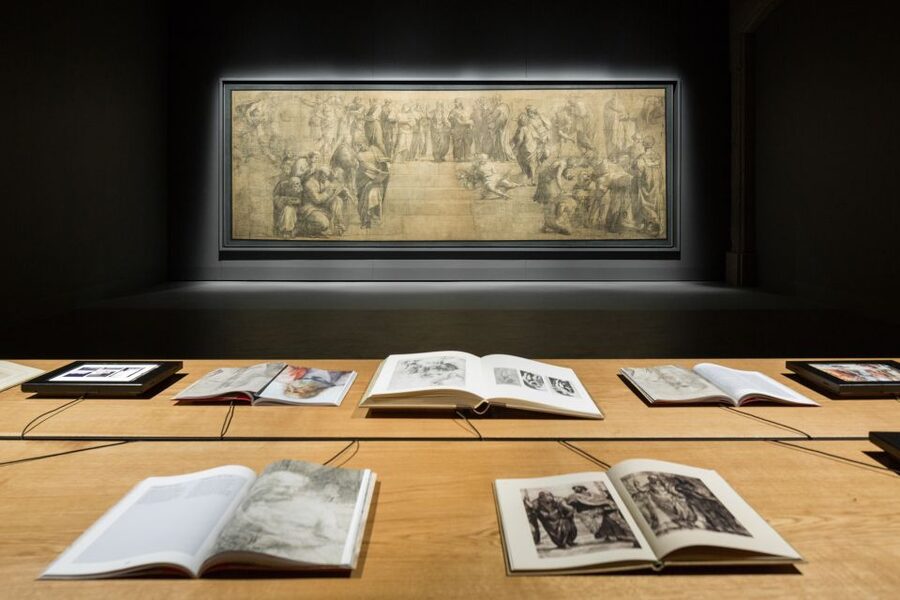
Raphael’s Cartoon for the School of Athens is another reason to come. This is a preparatory full-scale drawing connected with Raphael’s famous Vatican fresco. The large sheet lets you study figures, gestures, and groupings before they became part of the finished wall painting.
The Raphael display can be especially rewarding if you have seen the fresco in Rome. Here, you can focus on the planning process and the marks of the artist’s hand. Some people spend only a few minutes with it, but I would allow longer if Renaissance drawing interests you.
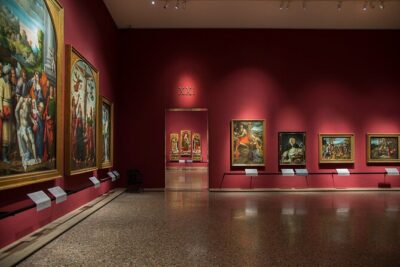
Brueghel’s flamboyant vase of flowers provides a different mood. The painting is packed with careful detail and color, and its appeal comes from looking closely rather than standing far away. It is a good reminder that the Ambrosiana is not limited to Italian masters.
Leonardo’s Portrait of a Musician is another essential stop. The painting is less theatrical than the Caravaggio, but its quiet expression and finely observed face reward patient viewing. The Leonardo material becomes even more important in the library, where you can see his working mind through drawings and notes.
Other artists represented in the collection include Botticelli, Luini, Tiepolo, Mengs, and Flemish painters. The collection is not equally strong in every room, but the variety gives you a useful survey of Italian and Northern European art.
The library reading room and Codex Atlanticus
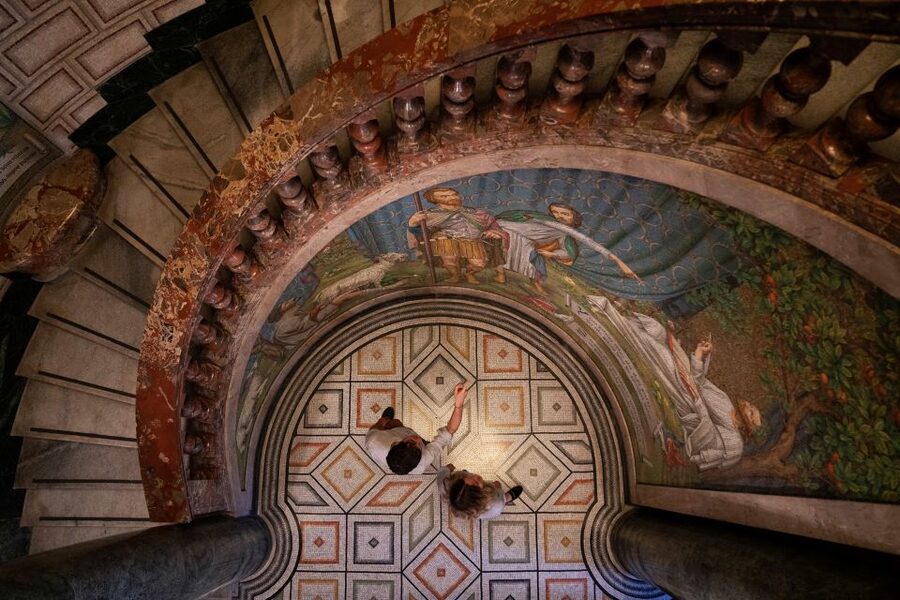
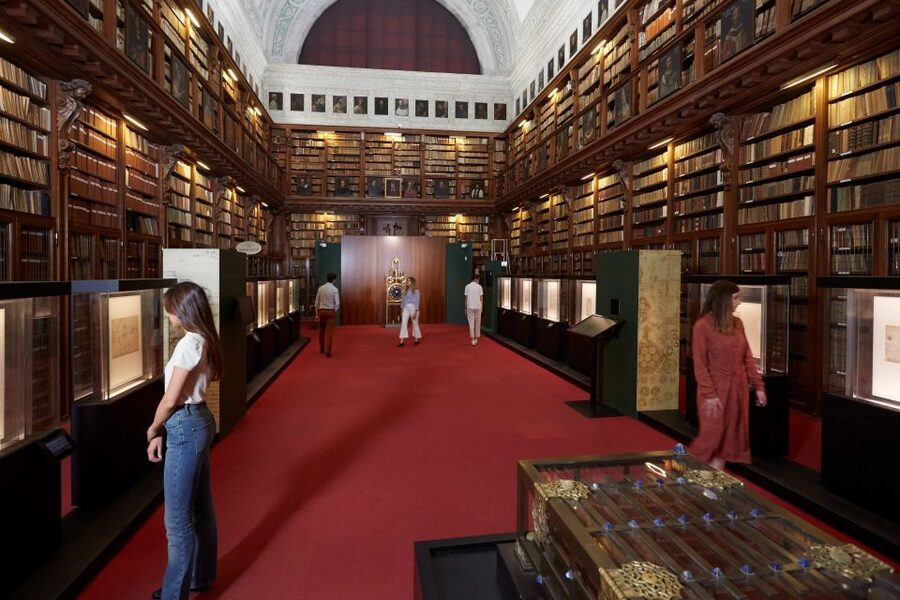
The library area is one of the most memorable parts of the visit. You enter a 17th-century reading room, a setting that feels different from a normal gallery. The shelves, desks, and old-book atmosphere make the art feel tied to study rather than simple display.
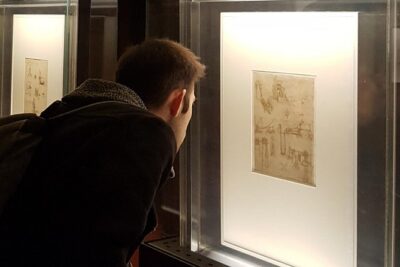
Original drawings from Leonardo da Vinci’s Codex Atlanticus are shown here. The Codex is not one single notebook in the usual sense. It is a huge body of Leonardo’s notes and drawings, covering ideas connected with art, science, engineering, and observation.
You may find the drawings more revealing than a finished painting. They show how Leonardo tested ideas, changed direction, and recorded what caught his attention. The display offers a close look at the connection between artistic skill and scientific curiosity.
Several visitors have found the library more impressive than expected. I understand why. The paintings provide the headline names, but the reading room gives the museum its special character. You are not just looking at celebrated images. You are seeing the setting of a long intellectual tradition.
The library can also become a bottleneck when several people stop at the most popular displays. Since the museum is generally manageable in size, wait a moment rather than trying to squeeze in front of the case. A seat can help if you want time to study the drawings.
More dark-history walks in Milan:
- Milan: San Sepolcro Crypt Skip-the-Line Entry Ticket
★ 4.2 · 512 reviews - Milan | In the Crypt of time, holographic tour
★ 4.6 · 77 reviews - Milan: Ghosts, Mysteries, and Secrets Guided Walking Tour
★ 4.1 · 49 reviews - Milan Dark Ghost Tour on Foot
★ 4.5 · 33 reviews
How long to spend inside the Pinacoteca
The standard visit to the Pinacoteca takes about 1.5 hours. That is enough for the major works and a general look around. If you read every label, use the app, or spend time with the drawings, plan on two hours or a little more.
You can make the visit shorter, but doing so weakens the value of the ticket. The main works are close enough together that rushing is unnecessary. This is a museum where an extra 20 minutes can make a real difference.
A practical route is:
- Start with the main painting galleries.
- Give focused time to Caravaggio and Raphael.
- Continue to Leonardo’s portrait and the other Old Master works.
- Finish in the library reading room and Codex Atlanticus display.
- Exit toward Piazza San Sepolcro for the crypt.
The museum has enough seating to pause and look carefully. That matters if you are visiting with children, older family members, or anyone who prefers art in short sections.
Entering the San Sepolcro Crypt
When you leave the Pinacoteca, continue to Piazza San Sepolcro. The crypt entrance is there, so the combined ticket creates a natural second chapter rather than sending you across Milan.
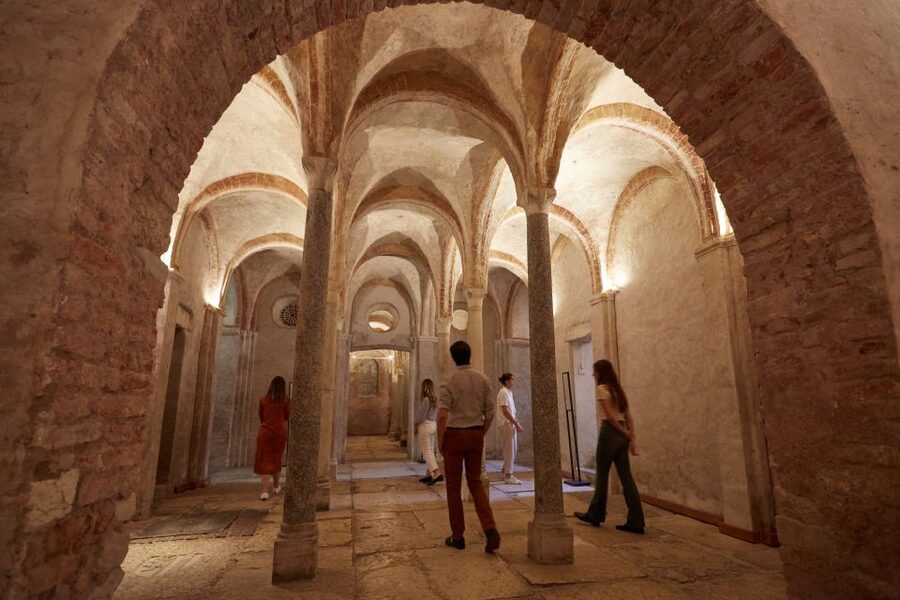
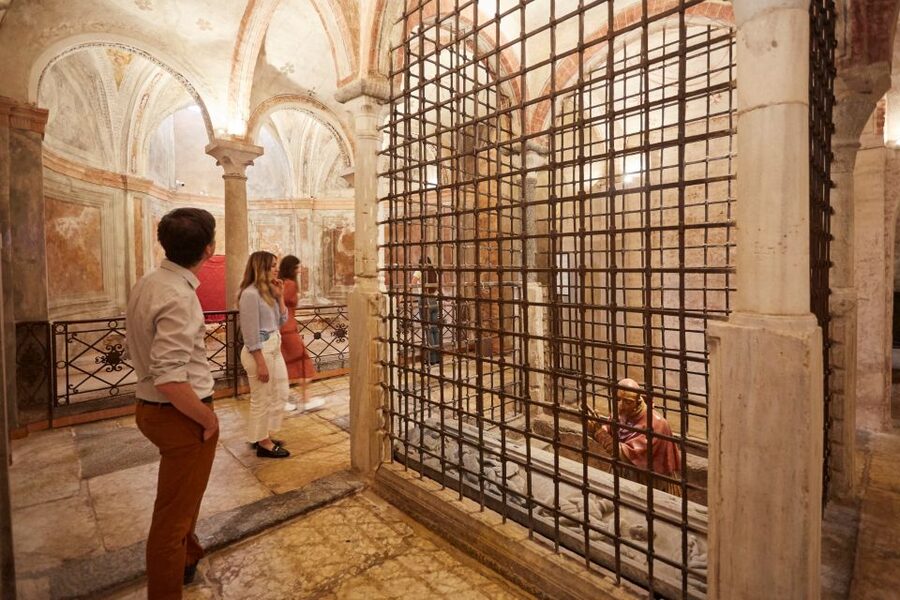
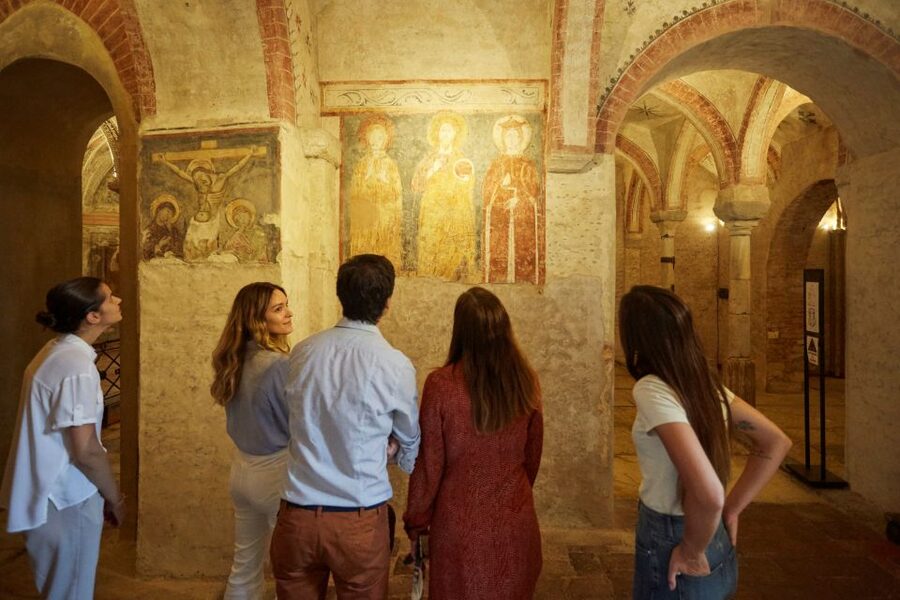
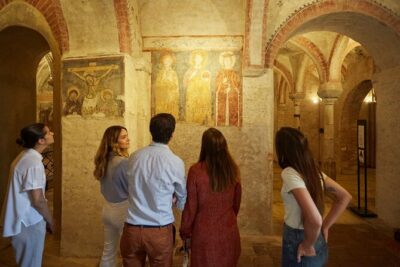
San Sepolcro is a medieval underground church. Its floor uses ancient stones from Mediolanum, the Roman city that came before modern Milan. You are therefore standing in a space that connects several layers of the city: Roman foundations, medieval worship, and present-day Milan above ground.
The crypt is small. You may spend only 30 to 40 minutes there, and a quick visit can take 10 to 15 minutes when it is quiet. That does not make it pointless, but you should set your expectations correctly. It is not a vast series of underground passages.
The ceiling deserves attention. The room’s architecture and stone floor become more interesting when you consider what lies beneath the modern city. Without that context, the crypt can look like a simple basement church. With the history in mind, it becomes a clear window into old Milan.
A virtual reality experience may be available at the crypt for an additional payment. It can help explain how the area developed and why the room matters. If you want more historical context, ask about it when you arrive. The basic admission does not promise that the VR option is included.
Timing, access, and practical limits
The crypt’s last admission is at 5:30 PM, and it closes at 6:00 PM. I would aim to reach the crypt by 4:45 PM at the latest. That leaves room for the museum, a short pause, and the walk from the museum exit.
The ticket is valid for one day, with starting times based on availability. It costs about $25 per person. For that price, you receive two attractions near the Duomo and the chance to see several major works without booking a full guided tour.
The value is strongest if you already plan to visit the area and like art, architecture, or city history. It is less compelling if you want a long guided lecture, a large archaeological site, or an all-day museum.
Large bags, backpacks, luggage, and baby strollers are not allowed. Leave those items elsewhere before you arrive, since a day bag can become a problem at the entrance.
The full combination is not suitable for wheelchair users or people with mobility impairments because the crypt has architectural barriers. Most of the Pinacoteca is wheelchair accessible, so a museum-only visit is the better choice if you cannot manage the crypt.
You can cancel up to 24 hours ahead for a full refund, and a reserve-now, pay-later option may help if your Milan schedule is still changing.
Who will enjoy this combination most
I would recommend it first to people who want high-quality art in a manageable setting. You get famous names, but you do not need the stamina required for a huge museum. The visit also works well on a hot or rainy afternoon, when an indoor plan near the Duomo makes sense.
It suits families with older children who can appreciate drawings, paintings, and unusual buildings. The freedom to move at your own pace is easier than keeping up with a formal group.
Art students and Renaissance enthusiasts should allow extra time for Raphael and Leonardo. The Codex Atlanticus material is especially useful if you want to see how an artist thought through ideas rather than only admire finished paintings.
The crypt is best for anyone who enjoys layers of urban history. If your main interest is painting, consider it a useful extra rather than the reason to buy the ticket. If you are fascinated by ancient Milan, it may become the most memorable part.
Should you book the combined ticket?
Book it if you want a self-guided cultural stop near the Duomo with strong art, a historic library, and a short archaeological visit in one ticket. The Pinacoteca is the main event, and the Caravaggio, Raphael, and Leonardo works justify the visit on their own.
Think twice if you need full wheelchair access, dislike underground spaces, or want a guide to explain every room. In that case, choose the Pinacoteca alone if available, or look for a separate guided museum experience.
For most visitors who like art and have two to three hours in central Milan, this is a sensible purchase. Start early enough to enjoy the museum, save the crypt for the second half, and do not leave San Sepolcro until the final admission window.
FAQ
How long does the complete visit take?
The Pinacoteca normally takes about 1.5 hours. The Crypt of San Sepolcro takes about 30 to 40 minutes, so allow roughly two to three hours for both at a comfortable pace.
Where does the visit begin?
You begin at the Pinacoteca Ambrosiana at Piazza Pio XI 2. After the museum, you exit onto Piazza San Sepolcro, where the crypt entrance is located.
Is the experience guided?
The admission is self-guided. You can download an app to your device and listen to it after the visit. A separate audio guide may be available for an additional fee.
What are the main artworks at the Pinacoteca?
The collection includes Caravaggio’s Basket of Fruit, Raphael’s Cartoon for the School of Athens, Brueghel’s vase of flowers, and Leonardo da Vinci’s Portrait of a Musician. Other Italian and Flemish artists are also represented.
When is the last admission to the crypt?
The last admission is at 5:30 PM, and the crypt closes at 6:00 PM. Make sure you complete the Pinacoteca visit early enough to reach the crypt in time.
Is the combined visit wheelchair accessible?
The complete visit is not fully accessible because the crypt has architectural barriers. Most Pinacoteca exhibition rooms are wheelchair accessible, so visitors with mobility impairments should consider booking the Pinacoteca alone.
Just added around Milan
- Visit of Verona and Lake Garda. Full day tour from Milan★ 4.6 · 5 reviews
- From Milan: Villa del Balbianello and Varenna by Train★ 4.2 · 27 reviews
- Explore History and Style with this Walking Tour in Milano★ 5.0 · 15 reviews
- Trekking in the Wood with picnic on the turtles lake★ 5.0 · 9 reviews
- Hot air balloon flight Milan Monday-Friday★ 5.0 · 18 reviews
- Trekking in the Wood with picnic on the turtles lake★ 5.0 · 8 reviews
- LINATE – MILANO airport transfer★ 4.5 · 14 reviews
- Lake Como trekking private guided tour, from Milan★ 5.0 · 9 reviews
Brera & Pinacoteca Art Tours, compared.
Pinacoteca Art Gallery and Brera District Guided Tour
Read our review →
Pinacoteca Ambrosiana and da Vinci’s Codex Atlanticus admission in Milan
Read our review →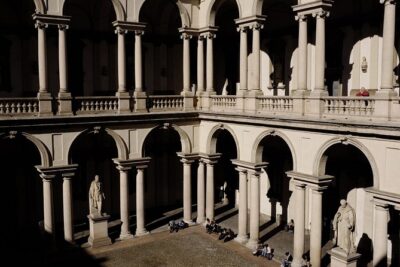
Brera district & Pinacoteca 2-hours guided experience with entrance tickets included
Read our review →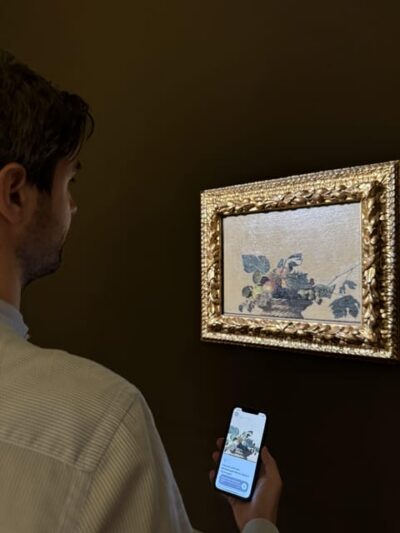

Duomo, Galleria, Brera, & Pizza Tasting Private Tour
Read our review →Browse the lists this tour appears in