
Reviewed · MILAN
Chocolate Experience at La Fabbrica del Cioccolato in Milan
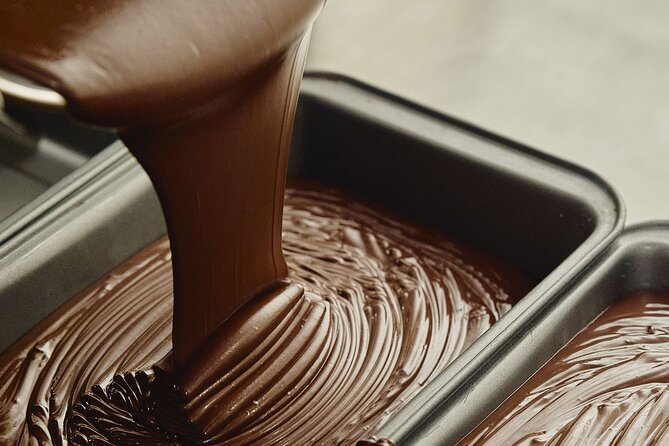
Chocolate in Milan is not only a pretty box bought near the Duomo. At La Fabbrica del Cioccolato, you follow cocoa from a Peruvian plantation to a finished bar, with roasting, shell removal, slow grinding, and tasting all packed into about one hour. The bean-to-bar process is the real attraction here.
I like the small group size, capped at eight, and the clear focus on craft rather than sugary souvenirs. I also like the guided tasting, which can include three to five grand cru chocolates, and may pair the bars with sherry or rum depending on the tasting purchased. The main consideration is time: one hour gives you a sharp introduction, not a long workshop or a chance to make chocolate yourself.
Key points to know before booking
- A central Milan address: La Fabbrica del Cioccolato is at Via Gian Giacomo Mora 18, only minutes from Piazza del Duomo.
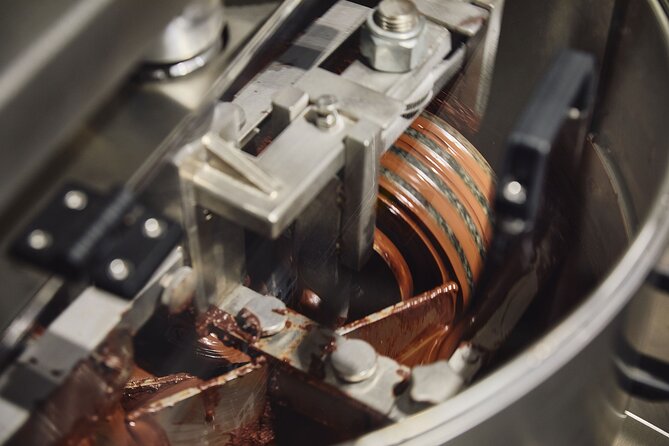
- A full cocoa-to-bar route: You’ll see roasting, maturation, shell separation, and slow stone grinding.
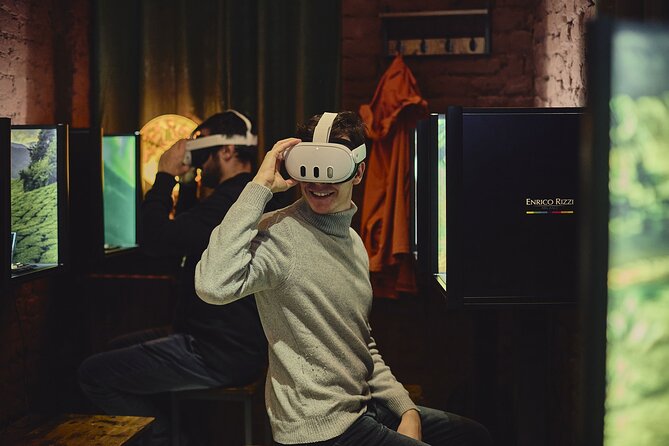
- Virtual Reality 360 opening: The sensory room takes you to a Peruvian cacao plantation before the production tour begins.
- Small English-language visits: English tours run on selected days, with no more than eight people.
- A serious tasting finish: Depending on your ticket, you’ll sample three to five mono-origin or grand cru chocolates.
- Good for chocolate lovers and curious beginners: The explanations cover both flavor and production, so you do not need prior knowledge.
A bean-to-bar lesson in the center of Milan
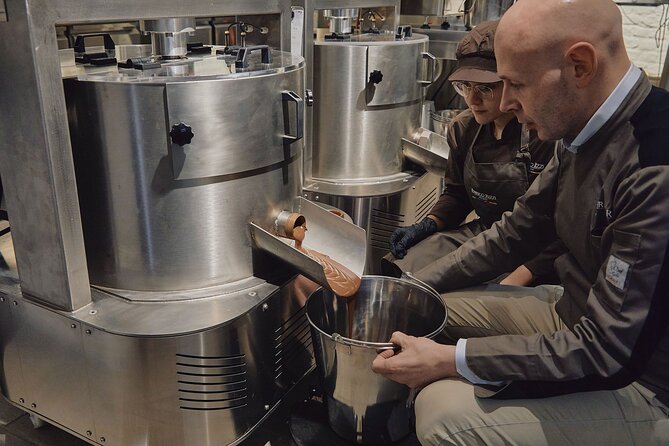
The first surprise is the setting. You are in central Milan, close to Piazza del Duomo, yet the focus quickly shifts away from city sightseeing and toward the origins of cocoa. Enrico Rizzi’s workshop shows how a small producer handles chocolate from raw bean to finished bar.
That distinction matters. Many chocolate stops in Italy are mainly shops with attractive displays. Here, the shop and tasting are tied to an actual production process. You learn why the bean changes at each stage and how careful handling affects the final flavor.
The visit is led by Enrico Rizzi’s team. Fulvio is specifically noted for his kind, available explanations, while Enrico’s work and presentations are central to the identity of the workshop. You can expect a personal, craft-focused presentation rather than a large commercial factory tour.
The group limit of eight is useful. It keeps the room from feeling crowded and gives you a better chance to hear the guide when equipment is running or when the group gathers around a particular stage. It also makes this a calmer choice than a large food tour with a long line at the tasting counter.
More panettone and pastry tastings:
- Milan: Sweet Delights Patisserie Tour by Do Eat Better
★ 5.0 · 56 reviews - Milan: Sweet Delights Patisserie Tour
★ 4.9 · 31 reviews - Milan’s Panettone Tour
★ 4.3 · 4 reviews
Starting in the sensory room with Virtual Reality 360
The visit begins in the sensory room, where Virtual Reality 360 shows the life of cocoa before it reaches Europe. You are taken to a Peruvian cacao plantation and shown harvesting, fermentation, and drying.
This opening gives the rest of the visit a useful frame. Instead of treating chocolate as a finished sweet, you first see the agricultural work behind the bean. Fermentation and drying are not decorative details. They help shape the character of the cocoa before roasting even starts.
The virtual presentation also solves a practical problem. A short Milan visit cannot take you to an actual plantation, but it can show the basic sequence in a focused way. You get a visual introduction before moving into the workshop’s physical production rooms.
The limitation is simple: this is a virtual visit, not a walk through a real farm. If you want a hands-on agricultural tour, this will not replace one. For a one-hour city activity, though, it is an efficient way to put the finished bar in context.
Seeing cocoa change in the roasting room
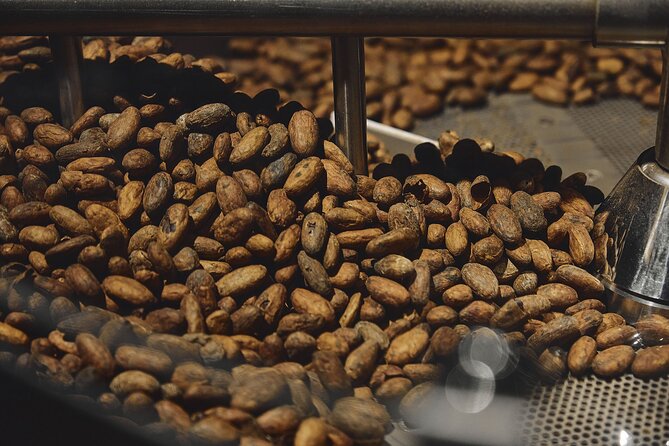
From the sensory room, the tour continues to the roasting area. Roasting is one of the stages that helps turn raw cocoa into something recognizable as chocolate, and it gives the guide a natural chance to explain how aroma and flavor develop.
I like this part because it connects what you smell with what you later taste. The workshop is not only telling you that the beans are processed. It is showing you a sequence in which heat changes their character.
You then follow the beans toward the final product. The route is designed to take you from the original sack to the tablet, or finished bar. That simple path makes the tour easy to understand, even if you are new to chocolate production.
Do not expect the scale of a major industrial factory. The appeal here is small-batch, handcrafted work. That means the visit is more about technique, attention, and ingredient quality than about watching large machines produce thousands of bars.
The chocoteca and the art of letting chocolate rest
One of the more unusual stops is the chocoteca, a climate-controlled room where chocolate rests and matures with spices, teas, and infusions. This is a good reminder that finished chocolate is not always ready the moment it leaves the grinder.
The controlled setting helps explain why texture and flavor are treated so carefully. Chocolate can be combined with other ingredients, but the additions are not meant to hide the cocoa. Spices, teas, and infusions offer another way for the producer to shape the final character of a bar.
This room will interest you if you enjoy tasting differences rather than simply eating something sweet. It gives the guide a chance to discuss how aroma, texture, and aftertaste work together.
The trade-off is that you are seeing the process rather than taking part in it. There is no information provided about making your own bar, decorating chocolates, or taking a recipe home. The visit is strongest as a demonstration and tasting.
A few more Milan tours and experiences worth a look
- Milan: Hands-On Pasta & Dessert Cooking Class & Wine Pairing
★ 5.0 · 3 reviews
Inside the laboratory: shells, nibs, and slow stone grinding
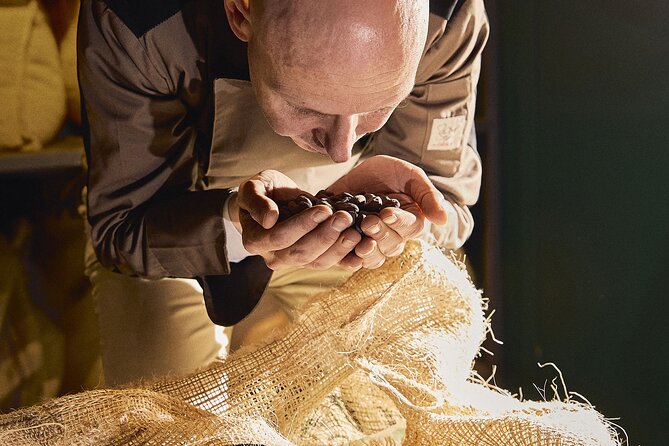
The laboratory area brings the process into sharper focus. Here, you watch the separation of the cocoa bean’s shell and the transformation toward chocolate through slow stone grinding.
That slower grinding method is central to the workshop’s handcrafted identity. It helps you understand that the smooth bar in the tasting did not begin as a liquid confection. The cocoa passes through several stages before it has the texture and flavor you associate with chocolate.
The shell separation is also worth paying attention to. It is a small but important step, and seeing it makes the production process less mysterious. You can follow the bean as it moves from a rough agricultural product toward a refined ingredient.
This is the part of the tour that will appeal most to food-minded visitors. You are not simply told that the chocolate is handmade. You see several of the steps that support that claim.
Because the visit lasts about 60 minutes, explanations must stay fairly tight. If you want a technical class on cocoa chemistry, this will feel brief. If you want a clear introduction during a day in Milan, the pace should suit you.
The tasting of three to five grand cru chocolates
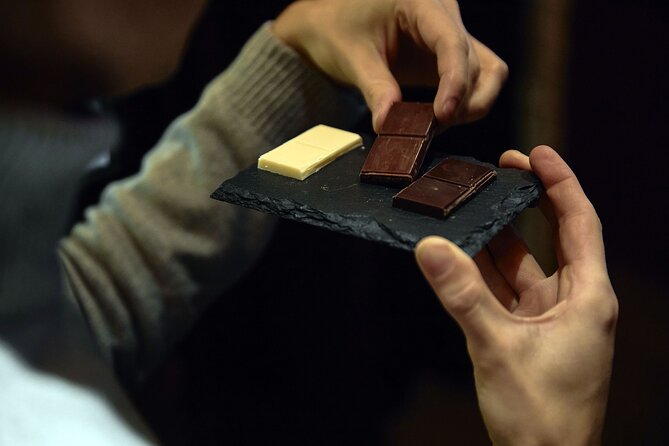
The final tasting is the reward for following the production route. Depending on the ticket, you sample three to five grand cru chocolates, with the focus on mono-origin chocolate and differences in cocoa character.
The tasting is not just an extra snack. It gives you a chance to compare what you have seen in the rooms. After learning about plantation origins, roasting, aging, and grinding, you can pay attention to scent, intensity, texture, and finish in the bars themselves.
The available tasting can vary by ticket. Some feedback describes five bars served with a glass of sherry, while another tasting paired several chocolates with different rums. Do not assume every booking includes the same drinks or the same number of samples. Check the option you choose before paying.
The chocolate quality receives especially strong praise, with attention given to intense aroma and a broad range of products. That makes this a better choice for someone who wants to taste carefully than for someone looking for a large quantity of sweets.
You might also find this useful if you need a special food gift. The workshop offers more than one kind of chocolate product, and the visit helps you understand what you are buying. Still, the main value is the guided comparison, not a guaranteed shopping haul.
How the timing and small group shape the visit
The experience lasts approximately one hour. That is short enough to fit between major Milan sights, but long enough to give you a beginning, middle, and end: plantation, workshop, then tasting.
English tours are offered Monday, Wednesday, Thursday, and Friday at 4 PM, plus Saturday at 12 PM. The schedule is limited, so you should fit this into your day before booking other timed activities. The 4 PM start can work well after sightseeing, while the Saturday noon visit suits a morning in central Milan.
The maximum group size is eight. I consider this one of the strongest practical features because chocolate production is easier to follow when you can stay close to the guide. It also gives the visit a more personal feel.
The meeting point is La Fabbrica del Cioccolato di Enrico Rizzi Milano, Via Gian Giacomo Mora 18, 20123 Milano MI, Italy. The activity ends at the same place. Private transportation is not included, but the location is near public transportation, and a mobile ticket is accepted.
Most people can take part, and service animals are allowed. The supplied information does not provide a detailed accessibility description, so if you have specific mobility needs, contact the provider before reserving.
Is $36.01 a fair price in Milan?
At $36.01 per person, this is not the cheapest way to eat chocolate in Milan. You could buy a bar for far less. The value comes from the explanation, the small group, the production rooms, the virtual plantation visit, and the guided tasting.
I would judge the price fairly if you care about how food is made. You are paying for an organized hour with a guide, not simply for snacks. The tasting of three to five chocolates also gives the visit a clear finish, and some ticket types add sherry or rum.
The price is harder to justify if you mainly want a quick dessert or a large box of chocolates. This is a compact educational visit, not an all-day food tour and not a chocolate-making class.
For a first visit to Milan, I would place it after the major art and historic sights rather than before them. It works well as a focused break from churches, galleries, and city streets. Since it is close to the Duomo, you do not need to build your whole day around it.
Who should book this chocolate visit?
I would recommend it most strongly to adults and older children who enjoy tasting with a little explanation. You do not need to know anything about cacao in advance. The guide takes you from basic plantation stages to the finished bar in a logical order.
It is also a good choice for a couple, a small family group, or anyone seeking a thoughtful food gift in Milan. The intimate group size and tasting make it feel more personal than a standard retail stop.
Chocolate enthusiasts will get the most from the comparison of mono-origin bars, the grand cru tasting, and the discussion of spices, teas, and infusions. The visit also suits someone who wants to understand why handcrafted chocolate can taste different from mass-market chocolate.
I would hesitate if you want a long workshop, a hands-on activity, or a visit conducted every day. The English schedule is limited, the tour is brief, and the tasting depends on the ticket selected. Those are manageable limits, but they should shape your expectations.
You can cancel for a full refund if you do so at least 24 hours before the start time. Cancellations or changes made later are not accepted for a refund, and the cut-off follows Milan local time.
My verdict: a smart one-hour food stop
Book this if you want more than a sweet treat. The best part is the complete route from Peruvian cacao plantation footage to roasting, maturing, shell separation, stone grinding, and tasting. That sequence gives the hour a real purpose.
I especially like the small group and the care given to the tasting. Fulvio and Enrico Rizzi’s team bring a personal touch, and the strong focus on quality makes this feel like a visit to a working craft business rather than a sales pitch.
Skip it if chocolate is only an occasional snack for you, or if you expect to make your own bar. For curious eaters, food-focused couples, and anyone with an hour near the Duomo, La Fabbrica del Cioccolato offers a practical and flavorful look at Milan’s bean-to-bar craft.
FAQ
Where does the chocolate experience take place?
It takes place at La Fabbrica del Cioccolato di Enrico Rizzi Milano, Via Gian Giacomo Mora 18, 20123 Milano MI, Italy.
How long does the visit last?
The visit lasts approximately 60 minutes.
How many people can join each visit?
The maximum group size is eight people.
Is the experience offered in English?
Yes. English tours are offered Monday, Wednesday, Thursday, and Friday at 4 PM, and Saturday at 12 PM.
What does the tour include?
It includes a guided chocolate visit and a mono-origin chocolate tasting. Depending on the ticket, you will taste three to five grand cru chocolates.
Does the experience include transportation?
No. Private transportation is not included. The meeting point is near public transportation.
Where does the activity end?
The activity ends back at the meeting point on Via Gian Giacomo Mora.
Can I bring a service animal?
Yes. Service animals are allowed.
Can I cancel for a full refund?
Yes. You can cancel at least 24 hours before the scheduled start time for a full refund. Changes or cancellations made less than 24 hours before the start time are not refunded.
Just added around Milan
- Visit of Verona and Lake Garda. Full day tour from Milan★ 4.6 · 5 reviews
- From Milan: Villa del Balbianello and Varenna by Train★ 4.2 · 27 reviews
- Explore History and Style with this Walking Tour in Milano★ 5.0 · 15 reviews
- Trekking in the Wood with picnic on the turtles lake★ 5.0 · 9 reviews
- Hot air balloon flight Milan Monday-Friday★ 5.0 · 18 reviews
- Trekking in the Wood with picnic on the turtles lake★ 5.0 · 8 reviews
- LINATE – MILANO airport transfer★ 4.5 · 14 reviews
- Lake Como trekking private guided tour, from Milan★ 5.0 · 9 reviews