
Reviewed · LEONARDO DA VINCI TOURS IN MILAN
Milan: Leonardo da Vinci Galleries Ticket & Guided Tour
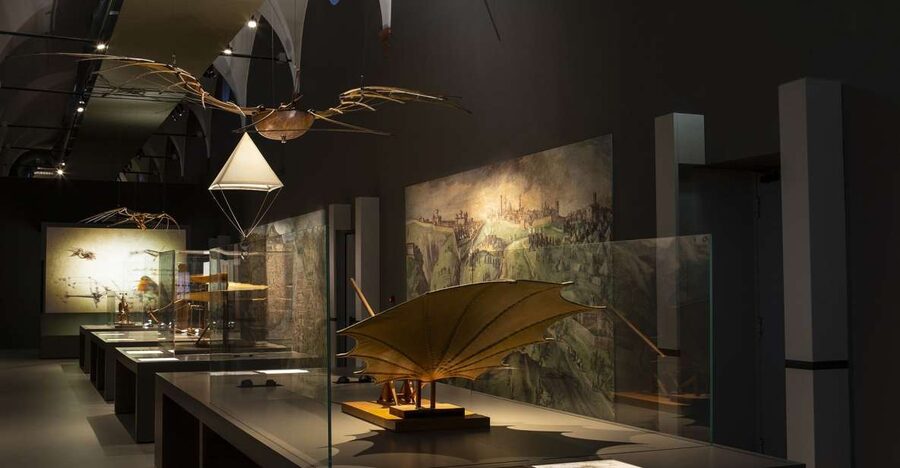
Leonardo’s work comes alive in Milan through 170 historical models, artworks, antique books, and installations spread across more than 1,300 square meters. The tour follows his growth from fifteenth-century Florence to his years with the Sforza court, then opens the door to Italy’s largest science and technology museum.
I like the clear route through Leonardo’s interests, from military machines and waterways to flight and architecture. I also like the value: for $28, you get the guided gallery visit plus access to the full museum. The main drawback is time. The guided portion lasts only 1 to 1.5 hours, so you will need extra time afterward if you want to see the wider collection properly.
Key points to know before booking
- Leonardo’s Milan story: Follow his training in Florence and his work for the Sforza family in Milan.
- 170 historical pieces: Models, artworks, old books, and installations explain Leonardo’s ideas in physical form.
- Full museum access: Your ticket also covers the National Museum of Science and Technology Leonardo da Vinci.
- English or Italian guide: Live tours are available in both languages, with small groups offered.
- Best for older children and adults: The tour is not recommended for children under 9.
- Simple but important arrival tip: Enter at Via San Vittore 21, exchange your voucher at the ticket office, then meet in the first cloister.
Why Leonardo’s Milan story makes this tour worthwhile
Many Leonardo displays focus only on the Mona Lisa, flying machines, or the famous self-portrait. This one takes a broader view. You see Leonardo as an engineer and humanist, a man who worked across art, science, construction, military design, and industrial production.
That wider focus matters in Milan. Leonardo spent important years here under the Sforza family, and the city gives the story a useful setting. The tour links his early training in Florence with the technical traditions of Tuscan engineers, then follows his work in Milan.
I like this approach because it helps you understand how Leonardo thought. He did not keep art and engineering in separate boxes. His observations of water, motion, materials, and the human body fed into both his paintings and his machines.
The galleries occupy more than 1,300 square meters. That is enough room for a substantial exhibition, but not so much that a guided visit feels like an all-day commitment. In the allotted 1 to 1.5 hours, you get a focused introduction rather than a hurried attempt to see every room in the museum.
More Leonardo da Vinci Tours in Milan
- Milan: Leonardo3 The World of Leonardo Museum Entry Ticket
★ 4.4 · 3,241 reviews - Best of Milan Experience Including Da Vinci’s The Last Supper and Milan Duomo
★ 4.5 · 1,516 reviews - Milan: Guided Tour of Leonardo da Vinci’s ‘The Last Supper’
★ 4.6 · 1,281 reviews
Entering at Via San Vittore 21
The museum entrance is at Via San Vittore 21. This detail is worth noting because the activity takes place inside a larger museum complex, and you need to start in the right place.
You exchange your voucher at the ticket office to receive the entrance ticket. The tour itself meets in the first cloister, where the museum map can help you find the meeting point.
The process includes skip-the-ticket-line access, but the voucher exchange still matters. I would arrive with enough time to locate the entrance, handle the exchange, and reach the first cloister without rushing. The meeting-point instructions are clear, but a large museum can still take a few minutes to navigate.
The building also has a practical advantage: the activity is wheelchair accessible. Pets are not allowed, apart from assistance dogs.
From fifteenth-century Florence to Sforza Milan
The tour begins with Leonardo’s early formation in Florence. Rather than presenting him as a fully formed genius, the route shows the technical world that shaped him, including the influence of Tuscan engineers.
That opening gives the gallery a useful human scale. Leonardo’s ideas did not appear from nowhere. He learned within a culture that valued design, construction, observation, painting, and mechanical problem-solving.
The route then moves toward his period in Milan under the Sforza family. This is where the exhibition’s themes become especially useful. Leonardo’s work is connected to the needs of a powerful court, a city, and a changing Renaissance society.
You will encounter material related to the art of war, work and production, flight, waterways, and architecture. These subjects show the practical side of his career. Leonardo was not simply sketching fanciful inventions. He was studying how machines, buildings, transport systems, and defenses might work.
A guide adds value here because the models can otherwise seem like isolated objects. A good explanation can connect the drawing, the mechanism, and the problem Leonardo was trying to solve. Annalisa, one of the guides associated with the tour, has been praised for strong English and detailed explanations. Jacobo has also been noted for careful storytelling about museum objects.
Guide quality can vary from one departure to another, but the format gives you a better chance of understanding the displays than a quick walk through the galleries alone.
Machines for war, work, and production
The military section shows Leonardo responding to the demands of Renaissance rulers. The models help turn technical drawings into objects you can study from several angles.
You should not expect every model to be a working machine. The value lies in seeing how an idea is presented and in hearing what problem it was meant to address. A guide can point out the difference between a practical design, an experiment, and a concept that remained on paper.
The sections on work and production shift the focus from warfare to everyday systems. They explore how Leonardo considered labor, manufacturing, and mechanical movement. This part helps explain why his work still attracts people with interests far beyond painting.
For me, this is one of the strongest reasons to choose the guided option. A label can identify a model, but a guide can explain why its design matters and how it fits into Leonardo’s wider way of thinking.
More museums and galleries in Milan:
- Milan: La Scala Theater & Museum Guided Experience
★ 4.1 · 2,931 reviews - Milan: La Scala Theater and Museum Tour with Entry Tickets
★ 4.7 · 1,722 reviews - Milan: Cathedral, Archeological Area and Museum Ticket
★ 4.5 · 1,093 reviews - Casa Milan: Museum Entry Ticket
★ 4.6 · 969 reviews
Waterways, flight, and architecture
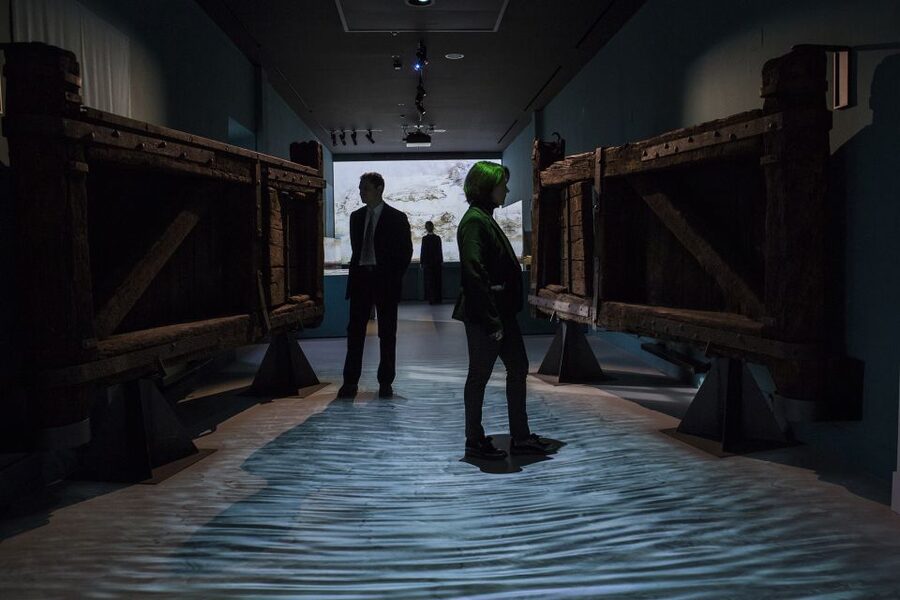
Water was a major subject in Leonardo’s studies, and the gallery includes his work on waterways. These displays connect natural observation with engineering. They also make sense in Milan, a city shaped by canals and water-management projects.
The flight section is likely to draw the most attention, especially from families. Leonardo’s study of birds and air movement shows his desire to understand nature before trying to imitate it. The models make this famous part of his work easier to discuss without reducing it to a simple story about an early airplane.
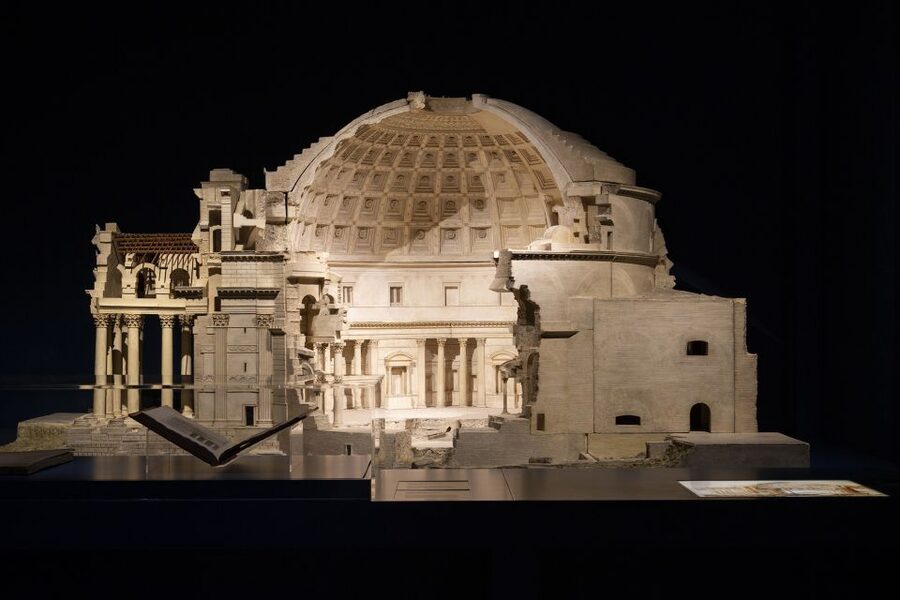
Architecture brings another change of scale. Here, you move from small mechanisms to buildings and urban ideas. The point is not only what Leonardo designed, but how he approached planning, structure, movement, and the relationship between people and their surroundings.
The range can feel broad in a short tour. That is both a strength and a limitation. You receive a lively survey of Leonardo’s interests, but you will not get a long technical lecture on every subject.
The final rooms and Leonardo’s influence on painting
The route ends with Leonardo’s influence on Lombard Renaissance painting. This closing section returns the engineer to the artist, but it does so after showing the many fields that shaped his visual work.
That sequence is helpful. By the end, you have seen how observation, proportion, motion, and natural study connect to painting. The exhibition avoids making Leonardo seem like a collection of unrelated talents.
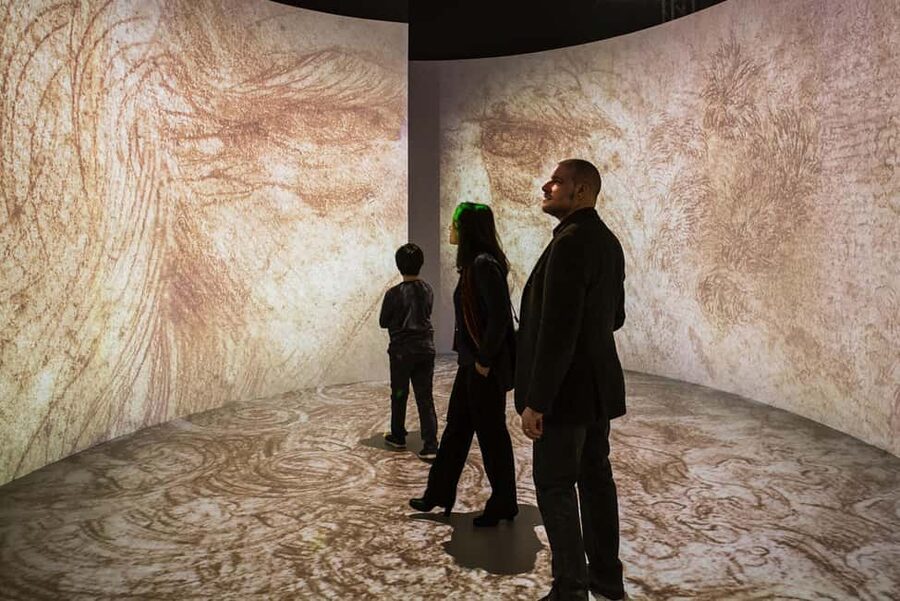
The final installation focuses on drawings from the last period of his activity. It gives the tour a quieter ending and offers a chance to consider how his ideas changed over time.
This part may appeal most to art lovers, while the mechanical displays will likely hold the attention of visitors interested in science and design. The tour works well because it serves both groups without making either side the whole story.
What the 170 models and objects add
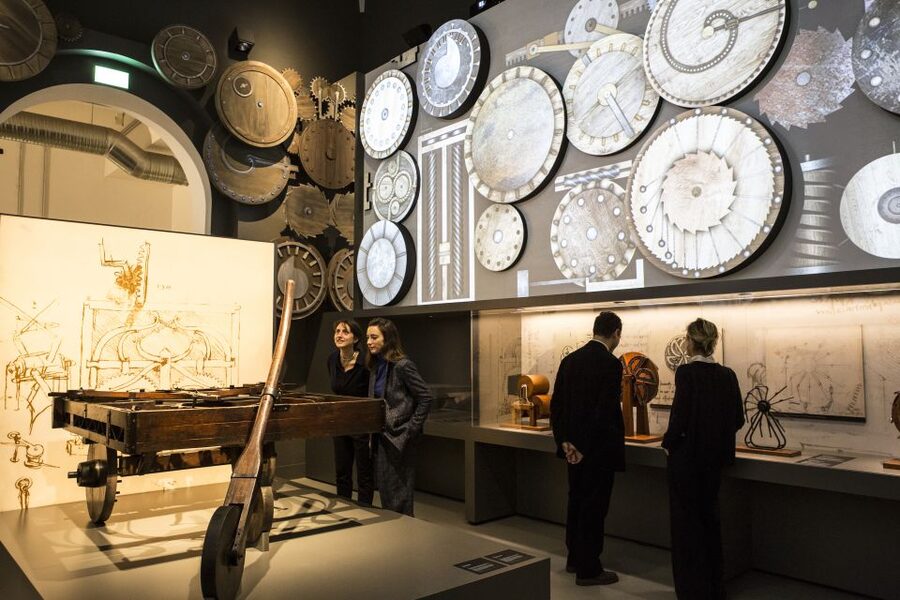
The exhibition includes historical models, works of art, antique volumes, and installations. Together, they create a physical account of Leonardo’s work rather than relying only on text panels.
The models are especially useful for anyone who finds Renaissance diagrams hard to read. A three-dimensional object gives you a better sense of scale, structure, and movement. You can see how a machine might have been assembled, even when the original drawing is highly detailed.
The antique books and artworks add context. They place Leonardo within a larger world of study and production. The installations help make the narrative easier to follow, particularly when the subject shifts from painting to engineering.
The museum also includes interactive displays elsewhere in the building. I would not treat the guided gallery as the full museum experience. It is a focused Leonardo route, followed by the chance to explore a much larger science and technology collection at your own pace.
The wider museum included with your ticket
Your entrance ticket also allows free access to the entire National Museum of Science and Technology Leonardo da Vinci. That changes the value of the $28 price.
If you only attend the guided gallery, the cost pays for a short specialist tour. If you stay to explore the rest of the museum, you receive a fuller half-day option without buying a second ticket.
The museum is Italy’s largest science and technology museum. The supplied information does not specify every wider gallery or exhibit, so I would avoid planning around particular objects unless you confirm them separately. Still, the scale gives you a good reason to set aside extra time.
Families may find the interactive displays appealing. One account specifically describes the wider museum as a good place for children and parents, with a friendly museum team. The guided Leonardo route itself is not recommended for children under 9, so age matters when deciding if the full visit will suit your group.
A practical plan is to take the guided tour first, then use the remaining time for the museum. That way, you get the organized Leonardo story before exploring on your own.
Is $28 a fair price?
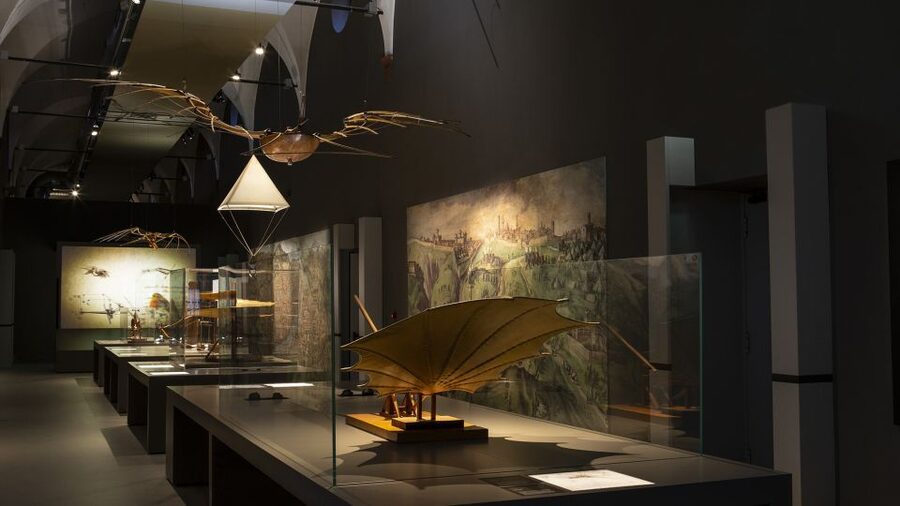
At $28 per person, this is a fair deal if you want both a guided Leonardo visit and access to the wider museum. The price is less compelling if you only have time for the 1 to 1.5-hour tour and must leave immediately afterward.
The guide is the main value. Leonardo’s work covers a lot of ground, and a well-organized explanation can keep the visit from becoming a parade of disconnected machines and drawings.
The free museum access adds flexibility. You can make the visit short if your schedule is tight, or turn it into a longer stop if you have room in your day. Reserve-now, pay-later booking and free cancellation up to 24 hours before the activity also make the reservation less restrictive.
Small groups are available. If you care about asking questions or staying close to the guide, check the group details when you select a time.
Who should book this Milan activity?
I would recommend this tour to adults who want more than a quick Leonardo photo stop. It also suits students, engineers, design fans, and anyone curious about how art and science overlapped during the Renaissance.
Families with children aged 9 and older may enjoy the wider museum, especially its interactive displays. For younger children, the age guidance is a real consideration, since the guided route is not recommended under age 9.
Art lovers should book if they want to understand Leonardo’s technical side. Science and technology fans should book if they want to see how his ideas connect to Renaissance painting and humanist study.
I would skip it if you have only a few minutes in Milan, dislike guided visits, or want a tour focused solely on Leonardo’s paintings. This is an exhibition about the full range of his work, and it spends substantial time on machines, waterways, production, flight, and architecture.
Small practical details that matter
The tour is offered in Italian and English. Check the selected departure carefully, since starting times vary.
Flash photography and tripods are not allowed. Assistance dogs are allowed, but other pets are not.
The activity ends back at the meeting point. Since the full museum is included, you can then continue exploring rather than leaving immediately.
I would keep the museum map handy and wear comfortable shoes. The tour itself is not long, but the complete museum visit can add a good deal of walking and standing.
Should you book the Leonardo Galleries tour?
Book it if you want a structured introduction to Leonardo’s life and work, especially his years connected with Milan. The combination of a live guide, 170 historical models and objects, and admission to the full science and technology museum gives you solid value at $28.
The key is to allow more time than the guided portion alone. Treat the tour as the starting point, not the entire museum visit.
Skip it if your schedule is too tight to use the wider ticket or if your main goal is traditional art rather than engineering and scientific study. For most curious visitors, though, this is a practical way to see a broader, more useful picture of Leonardo.
FAQ
Where does the activity begin?
The museum entrance is at Via San Vittore 21. You exchange your voucher at the ticket office for the entrance ticket, then meet for the guided tour in the first cloister.
How long does the guided tour last?
The tour lasts about 1 to 1.5 hours. Starting times vary, so check availability when booking.
What languages are available?
Live guided tours are available in English and Italian.
What does the ticket include?
The ticket includes the guided tour of the Leonardo Galleries and entry to the National Museum of Science and Technology Leonardo da Vinci.
Can I visit the wider museum after the guided tour?
Yes. The entrance ticket also allows free access to the entire National Museum of Science and Technology Leonardo da Vinci.
Is the museum wheelchair accessible?
Yes, the activity is listed as wheelchair accessible.
Is the tour suitable for children?
The tour is not recommended for children under 9 years old.
Are pets allowed?
Pets are not allowed. Assistance dogs are permitted.
Can I take flash photographs or use a tripod?
No. Flash photography and tripods are not allowed.
Can I cancel the booking?
Yes. You can cancel up to 24 hours in advance for a full refund. Reserve-now, pay-later booking is also available.
Just added around Milan
- Visit of Verona and Lake Garda. Full day tour from Milan★ 4.6 · 5 reviews
- From Milan: Villa del Balbianello and Varenna by Train★ 4.2 · 27 reviews
- Explore History and Style with this Walking Tour in Milano★ 5.0 · 15 reviews
- Trekking in the Wood with picnic on the turtles lake★ 5.0 · 9 reviews
- Hot air balloon flight Milan Monday-Friday★ 5.0 · 18 reviews
- Trekking in the Wood with picnic on the turtles lake★ 5.0 · 8 reviews
- LINATE – MILANO airport transfer★ 4.5 · 14 reviews
- Lake Como trekking private guided tour, from Milan★ 5.0 · 9 reviews
Leonardo da Vinci Tours in Milan, compared.
Leonardo3 The World of Leonardo Museum Entry Ticket
Read our review →
Best of Milan Experience Including Da Vinci’s The Last Supper and Milan Duomo
Read our review →
Guided Tour of Leonardo da Vinci’s ‘The Last Supper’
Read our review →
Leonardo’s Last Supper and Michelangelo’s Pietà Tour
Read our review →
Experience Da Vinci’s Last Supper: Tickets & Guided Tour
Read our review →
Da Vinci’s Last Supper Express Semi-Private Guided Tour
Read our review →
Browse the lists this tour appears in