
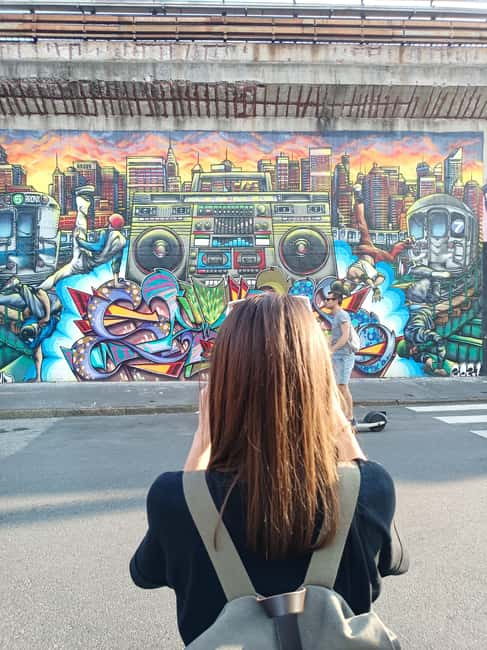
Reviewed · MILAN
Street Art&Urban Vibes in Milan’s Most Exciting Rising Areas
Milan’s most revealing street art is not concentrated around the Duomo. This private walk takes you north to Pasteur, Via Padova, Via Giovanni Pontano, and Viale Monza, where murals share space with working-class streets, independent shops, and newer cultural projects. I like the local focus and the chance to see an everyday side of Milan that many visitors miss.
I also like that the guide explains street art as both decoration and protest, rather than treating each wall as a quick photo stop. Simon, one of the guides, made a clear effort to show lesser-known corners and add surprises along the way. The main drawback is the price: $90.63 per person for two hours is a serious cost for a short walking tour, especially since public transportation to Pasteur is not included.
Key points to know before you book
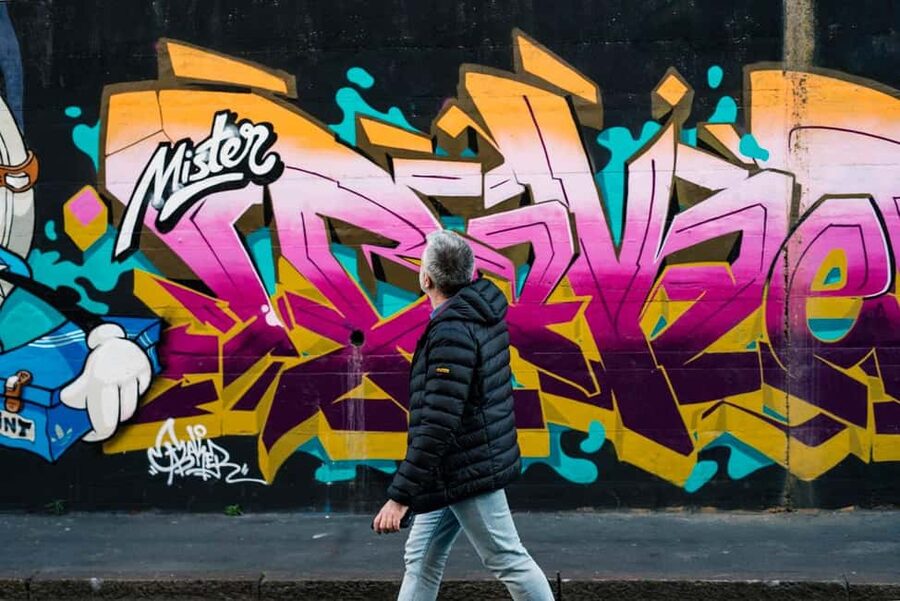
- Pasteur is your gateway to a different Milan: The walk begins and ends near the Scaringi pastry shop, away from the city’s famous sights.
- Via Padova and Viale Monza show street art in context: You see murals alongside ordinary city life, local businesses, and streets shaped by many cultures.
- The guide adds the meaning: Expect background on Milanese and Italian street art, including its creative and protest traditions.
- Mosso, Bici&Radici, and Hug broaden the visit: These stops connect wall art with alternative businesses and community-minded spaces.
- The format is private and accessible: Your group has a live guide in English or Italian, and the activity is wheelchair accessible.
- Two hours keeps the visit manageable: It suits a short introduction, but you should not expect a full survey of Milan’s street-art scene.
Why this northern Milan walk feels different
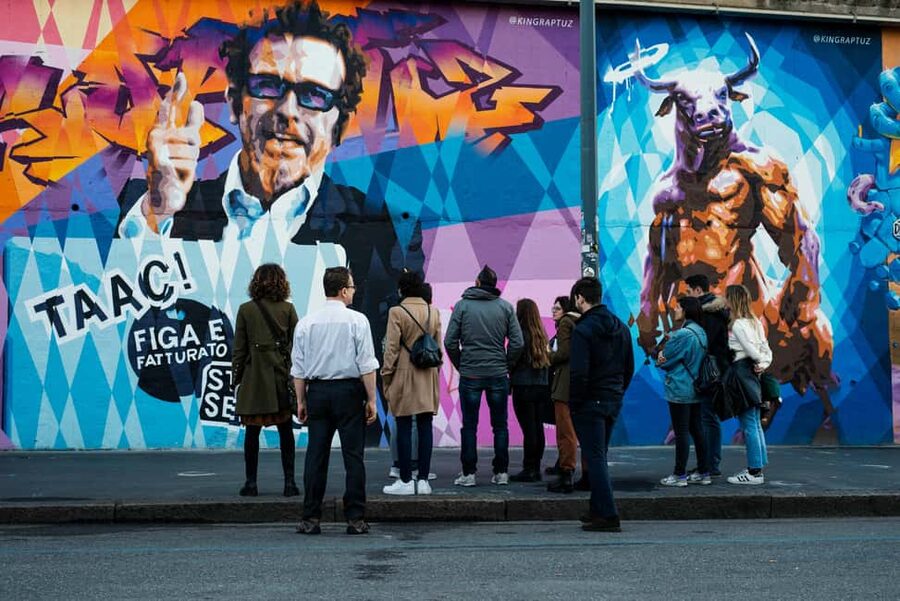
The appeal here is not a checklist of famous monuments. It is the change of mood as you leave central Milan and reach districts where art appears on buildings used by ordinary residents, small businesses, and local groups.
Milan is often sold through fashion, design, grand architecture, and polished shopping streets. This tour shows another city. You might find colorful murals, playful images, political work, and painted walls that make more sense when your guide explains the neighborhood around them.
I like this approach because street art can be hard to read on your own. A large painting may look attractive in a photograph, but its subject, location, and purpose can be just as important as its colors. The guide supplies the missing context about Milanese and Italian street art, helping you see why some works are made to beautify a wall while others challenge the way a place is viewed.
The walk is also designed for people who want more than art alone. The route includes small and alternative businesses, so you get a sense of local enterprise as well as public art. That mix makes the outing feel less like a gallery visit and more like a look at a changing district.
A few more Milan tours and experiences worth a look
- Milan: Street Art Tour of Ortica, Milan’s open air museum
★ 5.0 · 5 reviews
Starting at Pasteur and the Scaringi pastry shop
You meet in front of the Scaringi pastry shop near Pasteur. This is a practical meeting point, but it is not in the part of Milan most first-time visitors know best. You need to arrange your own public transportation to get there, since that cost is not included.
The start and finish at the same place make the tour easy to fit into a day of sightseeing. You do not need to figure out a new return point after the walk, and the guide can keep the outing focused on the nearby neighborhoods.
Pasteur also sets the tone. You are not beginning with a grand square or a famous landmark. You are starting in a working part of Milan and then moving through streets where art, commerce, and daily life meet. If you want a classic introduction to Milan’s historic center, this is not it. If you want to see the city beyond its postcard views, the location works well.
Via Padova: art among many cultures
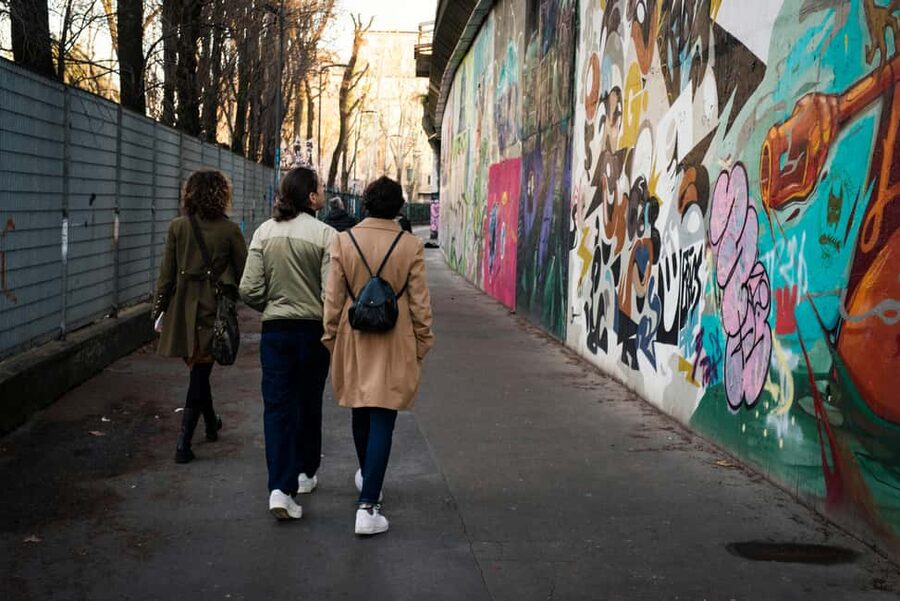
Via Padova is one of the main stops. The route treats the street as more than a backdrop for photographs. You explore the area with a guide, pause for photos, and hear about the role of street art in Milan and Italy.
The supplied description presents Via Padova as part of a melting pot of cultures. That matters because public art often reflects the people and pressures of the area where it appears. Instead of viewing a mural as an isolated object, you can ask what kind of street it occupies, who uses the space, and what the artist may be responding to.
You should expect a walking stop rather than a formal museum presentation. The guide’s explanations are central, and the exact works you see can depend on the route and current conditions. Street art changes, gets painted over, or appears in new places. That uncertainty is part of the appeal, though it also means you should not book this expecting a fixed collection of permanent masterpieces.
For photos, Via Padova may be one of the most useful parts of the walk. Bring a phone or camera, but leave room to listen. The point is not simply to collect colorful backgrounds. It is to understand why this area has become a place where creative work appears in public.
Via Giovanni Pontano and the power of a painted wall
The next stop is Via Giovanni Pontano, another place to see and photograph street art with the guide. The route’s emphasis here is on the way formerly ordinary buildings can be changed by artists.
That transformation is easy to notice, but the guide can help you look past the obvious. You might find that a wall’s scale, surrounding buildings, or position along the street affects how the work feels. A mural viewed from the sidewalk can read differently from the same work on a phone screen.
This is also where the tour’s history element earns its keep. You hear about Milanese and Italian street art, not only the international names and broad trends. For a visitor, that local frame can make the art easier to place. You begin to see the walls as part of Milan’s own creative story.
The route is still short, so do not expect long time at every work. The benefit is variety. You see more than one district and more than one kind of public art rather than spending the entire two hours in a single painted complex.
A different sort of day out of Milan entirely:
- Milan: Cathedral and Duomo’s Terraces Entrance Ticket
★ 4.6 · 61,054 reviews - Milan: City Sightseeing Hop-On Hop-Off Bus with Audio Guide
★ 4.0 · 6,256 reviews - Milan Cathedral: Duomo Terraces Ticket (No Church Access)
★ 4.6 · 6,111 reviews - Milan: Milan Cathedral Direct Entrance – Terrace Excluded
★ 4.5 · 5,782 reviews
Viale Monza: a working street, not a stage set
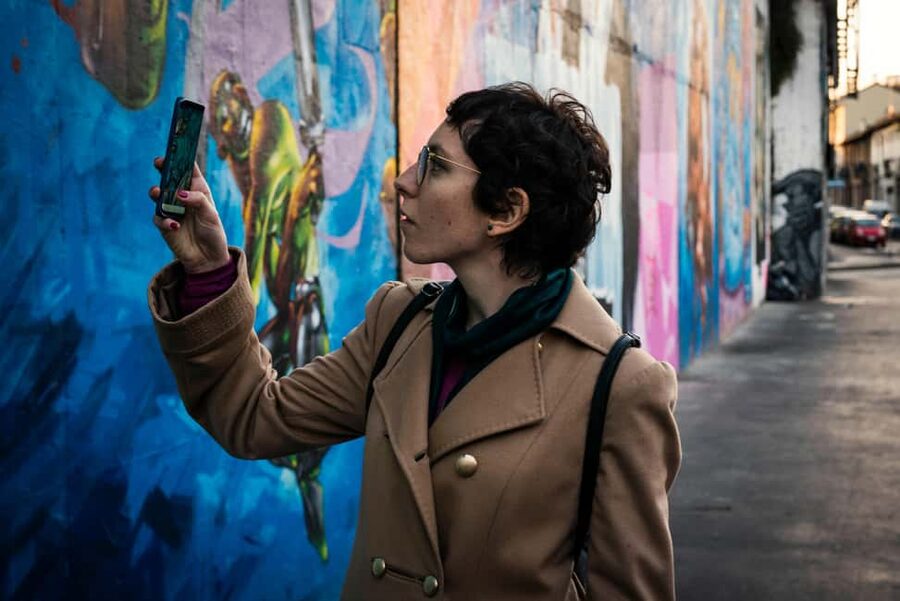
Viale Monza is another photo and guided stop. The description links the route to working-class streets where street art can act as protest. That is one of the most useful ideas on this walk.
Public art in a working neighborhood does not have the same role as a commissioned piece in a design district. It can comment on housing, identity, politics, migration, or local frustration. The supplied information does not identify specific murals or political subjects, so you should not expect a predetermined lesson on one issue. You can expect the guide to explain how street art in Milan has developed as both creative expression and social response.
Viale Monza helps balance the more attractive, Instagram-friendly side of the activity. Yes, you get colorful images and unusual backdrops. You also see art in places that have not been polished for visitors. That is valuable if you want to understand the city as a lived-in place.
The tradeoff is that this part may feel less comfortable for someone looking only for major attractions and tidy photo spots. The tour specifically asks you to explore an area that many tourists do not visit. That is its purpose, not a flaw, but it is worth knowing before you book.
Mosso, Bici&Radici, and Hug
The later stops bring the route toward local businesses and alternative cultural spaces. Mosso, Bici&Radici, and Hug are included as places to visit and photograph, with commentary from the guide.
These names matter because they widen the subject beyond painted walls. Bici&Radici suggests the sort of small, independent business that gives a neighborhood its character, while Mosso and Hug connect the route with creative or community activity. The available details do not promise a specific purchase, workshop, meal, or performance at any of these places. Think of them as stops that help you understand the local scene, not as separate booked attractions.
I like this part of the route because it gives the art a social setting. A street-art tour can become repetitive if every stop is simply another wall. Adding small businesses lets you see how creative activity may share space with everyday services and local projects.
You should also keep your expectations practical. The tour lasts two hours, so these stops are part of a compact walking route. You may have time to look, take photographs, and hear the guide’s explanation, but not to explore each venue at length. If one place catches your interest, note it for a return visit.
What the private format changes
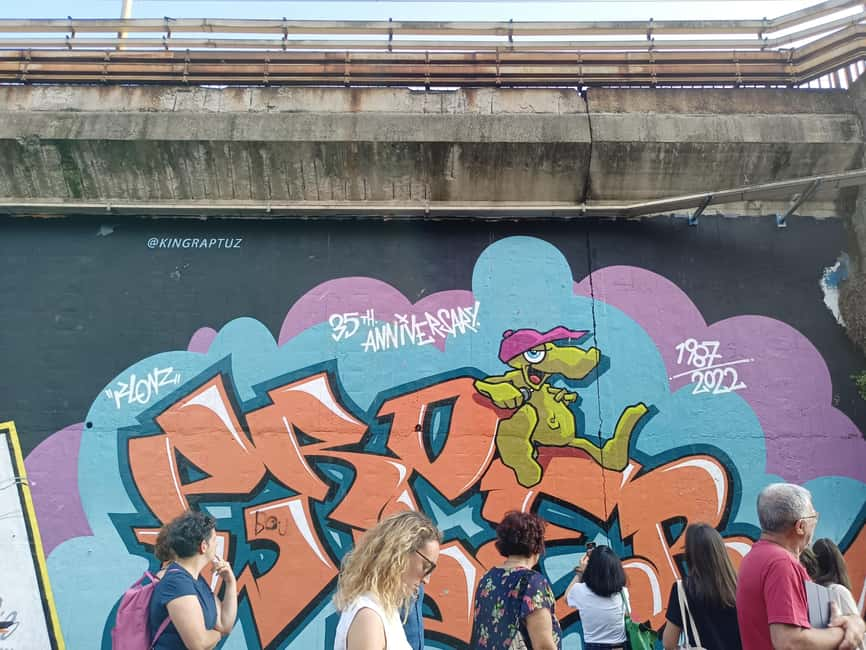
This is a private group activity, with a live guide in English or Italian. That is useful for a subject that depends on conversation. You can ask why a particular work matters, how the area has changed, or where the distinction lies between a mural, commissioned art, and unsanctioned street work.
A private group can also make the pace easier to manage. You are not tied to a large crowd or a fixed lecture style. If you need a little more time for a photo, or if a certain part of the local history interests you, the guide may be able to give it more attention within the two-hour limit.
The named guide associated with the experience is Simon. The available feedback specifically credits Simon with making an effort to show hidden corners of Milan and adding informative surprises. I would treat that as a useful sign that the guide’s personal approach matters here, while remembering that guide assignment can vary.
The activity is listed as wheelchair accessible. Because the route uses public streets and several neighborhood stops, it is still sensible to confirm your exact needs when booking. Accessibility may depend on the condition of particular sidewalks, entrances, or businesses on the day.
Is two hours enough for Milan street art?
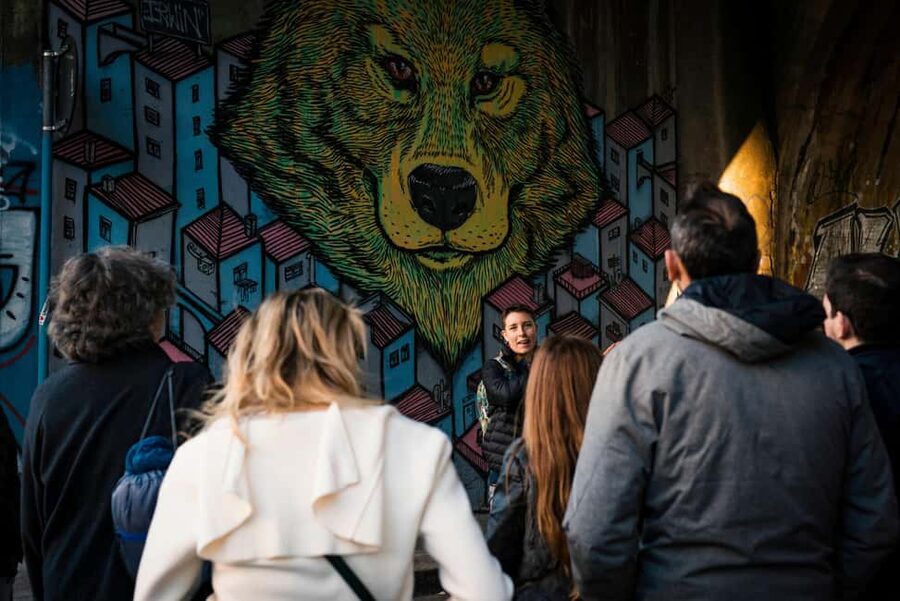
Two hours is enough for a first look. The route covers Pasteur, Via Padova, Via Giovanni Pontano, Viale Monza, Mosso, Bici&Radici, and Hug, then returns to Pasteur. That gives you a compact introduction to an area rather than an all-day art expedition.
I see the short length as a strength for many visitors. You can add it between other Milan plans without giving up half a day. It works especially well if you want a guided orientation before returning to explore Via Padova or another northern district independently.
The limitation is depth. Milan has more street art than any two-hour walk can cover. If you already know the city’s alternative districts or want detailed information about artists, techniques, and individual works, this may feel brief.
The route also includes several photo stops, so wear shoes suitable for city walking and allow time to reach Pasteur before the scheduled start. Starting times vary, and public transportation is your responsibility. Those are small details, but they affect how relaxed the experience feels.
Is $90.63 good value?
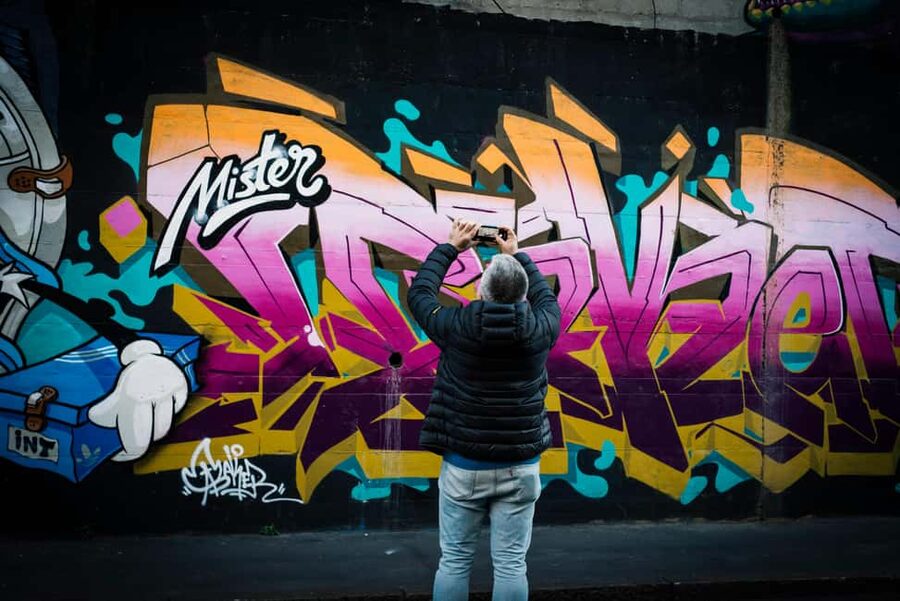
At $90.63 per person, this is not a bargain walking tour. The price makes more sense if you value a private group, a local guide, and a focused route into neighborhoods you might not choose on your own.
You are paying for interpretation as much as for the walk. Public murals are free to see, but finding the strongest works, understanding their setting, and connecting them with Milan’s street-art traditions takes time and local knowledge. The guide also introduces small businesses and creative spaces that you may otherwise pass without noticing.
Still, I would compare the cost with your group size and interests. A private outing can offer good value for a family or small group that wants a custom-feeling visit. For a solo visitor or a couple watching expenses, $90.63 for two hours may be harder to justify.
The rating is 4.4 from five ratings, and the strongest praise centers on Simon’s effort, informative explanations, and ability to reveal surprising corners of Milan. That points to the guide as the key part of the value. You should book this for the personal route and local context, not simply for access to murals.
Who will enjoy this best?
I would recommend this to you if you have already seen Milan’s major sights, or if you prefer neighborhoods and local stories to grand monuments. It also suits photographers, design-minded visitors, and anyone curious about how public art can reflect protest, identity, and change.
It is a good choice for a private group that wants an English or Italian speaking guide and a manageable two-hour outing. The wheelchair-accessible format may also make it useful for visitors who need that option, subject to confirming route needs.
I would be more cautious if you want a famous-art tour, a long historical walk, or a guaranteed list of specific artists. The activity focuses on Milan’s emerging areas, and the supplied details do not name individual works or artists. The pleasure comes from the route, the guide’s explanations, and the unexpected nature of the streets.
My call: book it for the neighborhood, not just the murals
Book this tour if you want to see a less polished, more creative side of Milan and you value having a local guide explain what you are seeing. Simon’s reported care in showing lesser-known corners is exactly the sort of personal touch that can make a short walk worthwhile.
Skip it if $90.63 feels too high for two hours, or if your Milan schedule is already packed with central landmarks. You can see public art without a ticket, but you will miss the organized route, the local background, and the connection to places such as Mosso, Bici&Radici, and Hug.
For the right visitor, this is a smart short excursion. It gives you photos, context, and a reason to ride beyond the usual center, all while returning you to Pasteur at the end.
FAQ
Where does the street-art tour begin?
It begins in front of the Scaringi pastry shop near Pasteur in Milan.
Where does the tour end?
The walk ends back at the meeting point near Pasteur.
How long does the activity last?
The activity lasts two hours.
What languages does the guide speak?
The live guide speaks English or Italian.
Is this a private tour?
Yes. The activity is offered for a private group.
Is the tour wheelchair accessible?
Yes, the activity is listed as wheelchair accessible.
Is public transportation included?
No. You need to arrange and pay for public transportation to reach the meeting point.
What places are included on the route?
The route includes Via Padova, Via Giovanni Pontano, Viale Monza, Mosso, Bici&Radici, and Hug, with the walk starting and ending at Pasteur.
Can you cancel for a full refund?
Yes. You can cancel up to 24 hours in advance for a full refund. You can also reserve now and pay later.
Just added around Milan
- Visit of Verona and Lake Garda. Full day tour from Milan★ 4.6 · 5 reviews
- From Milan: Villa del Balbianello and Varenna by Train★ 4.2 · 27 reviews
- Explore History and Style with this Walking Tour in Milano★ 5.0 · 15 reviews
- Trekking in the Wood with picnic on the turtles lake★ 5.0 · 9 reviews
- Hot air balloon flight Milan Monday-Friday★ 5.0 · 18 reviews
- Trekking in the Wood with picnic on the turtles lake★ 5.0 · 8 reviews
- LINATE – MILANO airport transfer★ 4.5 · 14 reviews
- Lake Como trekking private guided tour, from Milan★ 5.0 · 9 reviews