
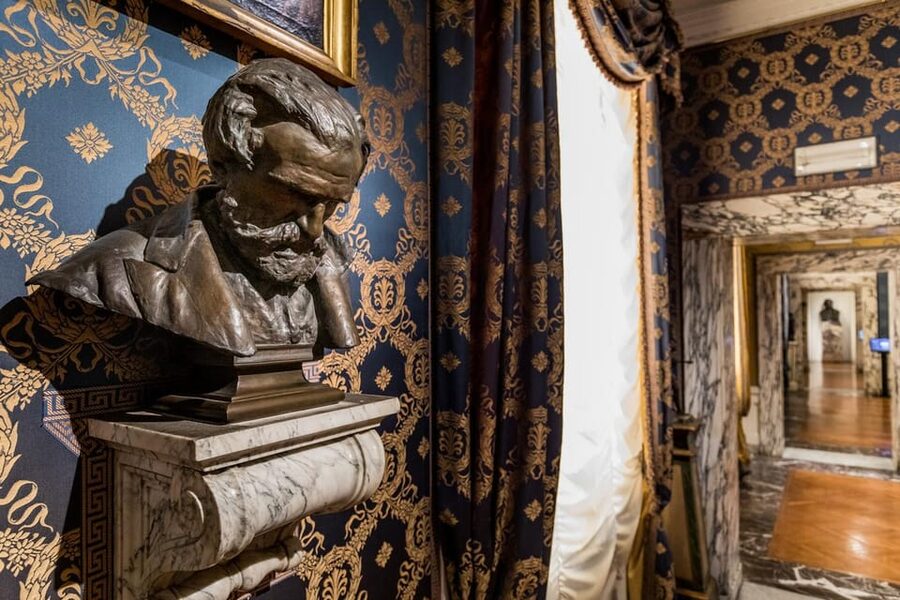
Reviewed · LA SCALA THEATRE TOURS
Milan: Entrance Ticket to La Scala Theatre Museum
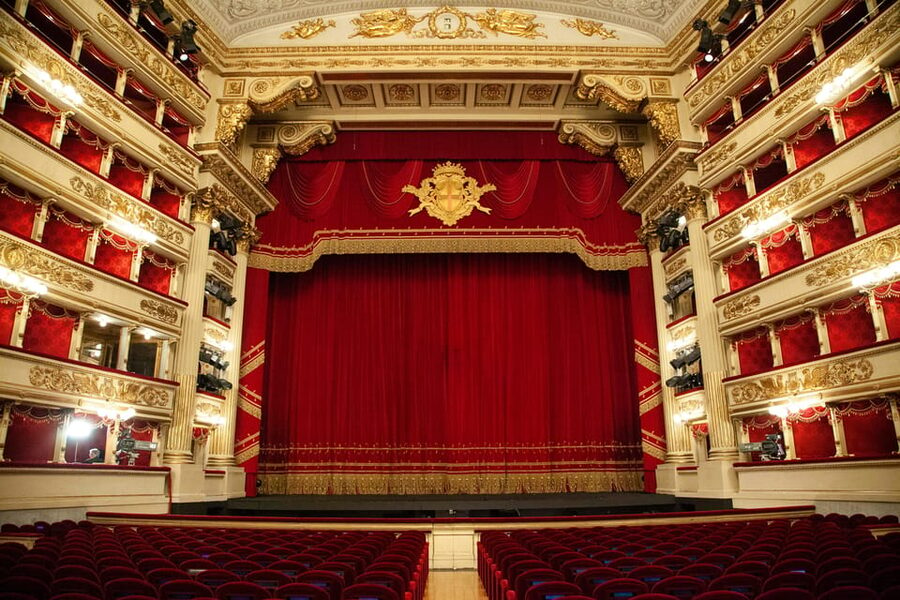
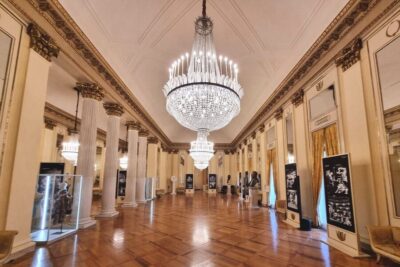
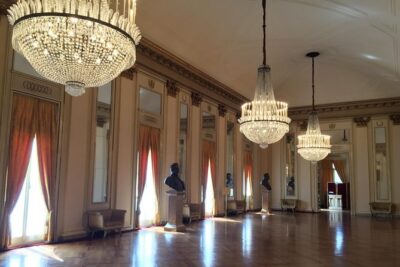
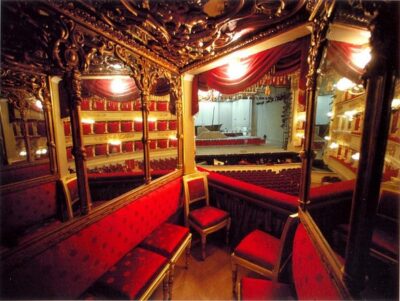
The great prize here is not only the museum. It is the chance to look into La Scala’s famous auditorium, with its grand boxes and polished interior, a room linked to Verdi, Rossini, Pavarotti, and Maria Callas. If the theatre lights are on, your view will be much clearer, so check the visibility notice before you go.
I like the way the exhibits bring opera to life through costumes, set designs, posters, and instruments, rather than treating La Scala as just another ornate building. I also like the location, a short walk from Milan Cathedral and the Galleria Vittorio Emanuele II. The main catch is that access to the best auditorium view can vary, especially when a rehearsal is under way.
Key points to know before visiting
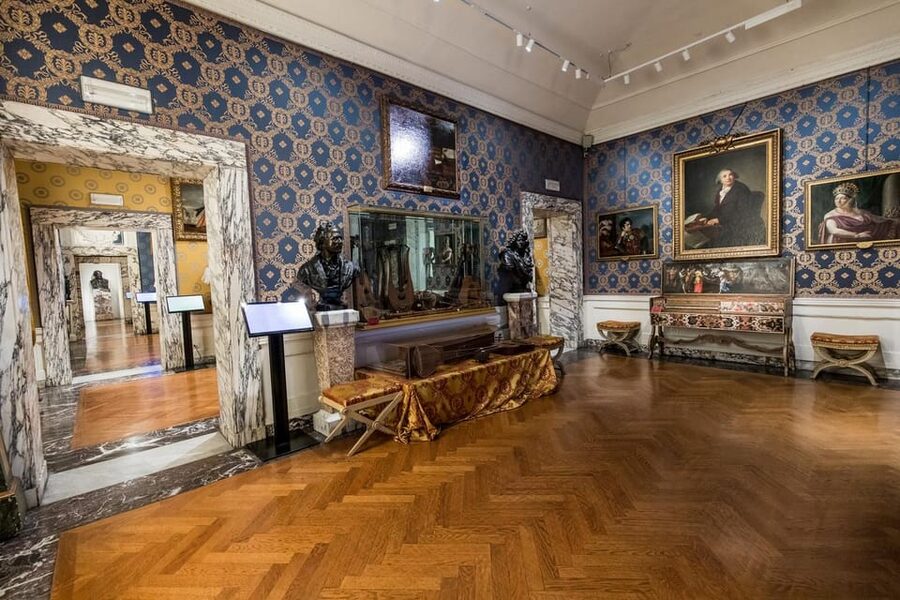
- The auditorium is the star attraction: Check the theatre lighting before you arrive for the clearest view.
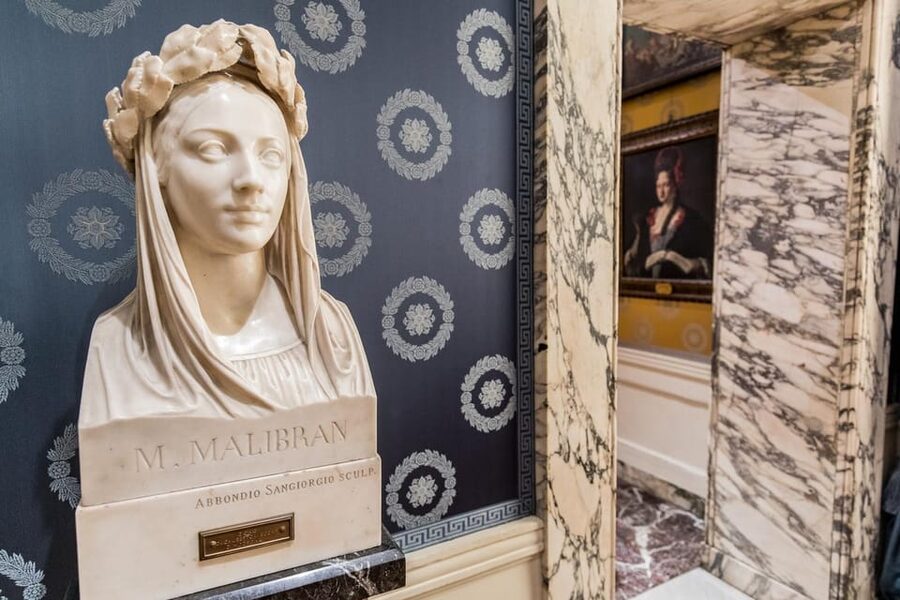
- The museum goes beyond costumes: You’ll see set designs, musical instruments, portraits, busts, posters, and video material.
- A rehearsal may change your visit: You might see ballet or opera work in progress, but some seating areas may be closed.
- The audio guide is on your phone: Download the app audioguide at the museum in one of seven languages.
- The location is easy to pair with other sights: La Scala is close to the Duomo and Galleria Vittorio Emanuele II.
- Plan around your bags: Large backpacks and luggage must go into the cloakroom, and the museum is wheelchair and stroller accessible.
Why La Scala feels different from an ordinary museum
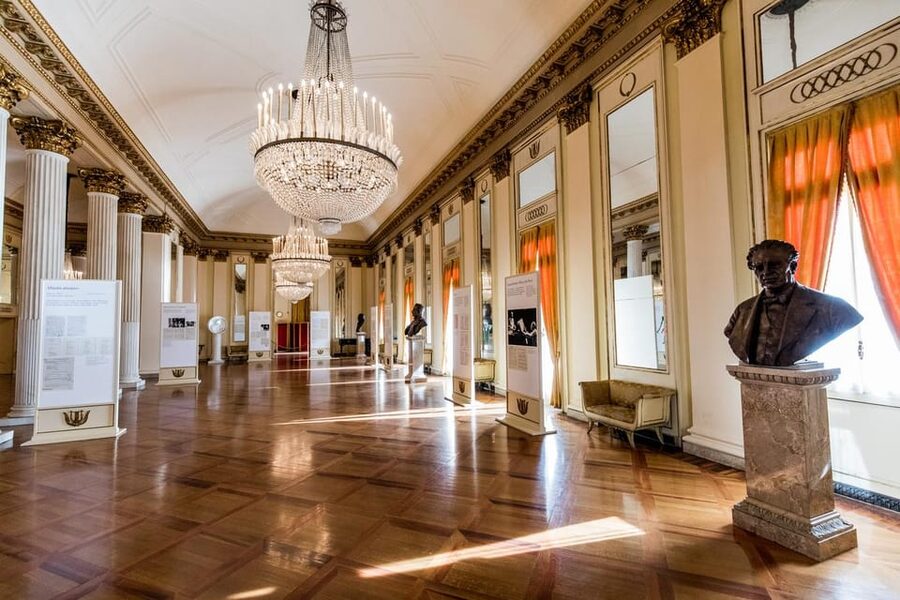
La Scala is not simply a display of old costumes behind glass. It connects the objects to the working life of opera: the singers, composers, musicians, designers, and stage productions that shaped Milan’s most famous theatre.
You begin with the theatre’s grand interiors, then move through material connected to performances that have taken place here for more than 200 years. The visit gives you a useful split between architecture and performance. First, you see the room itself. Then, you see the tools and images that explain how that room became an important stage.
That distinction matters. A photo of an opera costume can be interesting anywhere, but it means more when you have just looked into the auditorium where productions were presented. The same is true of the portraits and busts. They give faces to the names associated with La Scala and help explain why the theatre has mattered far beyond Milan.
The experience is especially helpful if you are not attending an opera. Opera tickets can be expensive, schedules may not match your trip, and a performance takes a full evening. This ticket gives you a shorter way to understand the venue and see at least part of the theatre’s interior.
More La Scala theatre and museum tours:
- Milan’s Must See: Half-Day Tour of Last Supper, Duomo & La Scala
★ 4.0 · 4,193 reviews - Milan: La Scala Theater & Museum Guided Experience
★ 4.1 · 2,931 reviews - Milan: “Museo Teatrale Alla Scala” Guided Tour
★ 4.6 · 2,513 reviews
Entering the theatre near the Duomo
The theatre and museum sit in central Milan, only steps from the cathedral and the Galleria Vittorio Emanuele II. That makes this an easy addition to a day spent around Piazza del Duomo.
You can visit before or after the cathedral, although your exact order depends on your timing. La Scala works well as a compact cultural stop between larger sights. It is not an all-day commitment, and the ticket is valid for one day rather than tied to a long guided schedule.
The booking includes skip-the-ticket-line entry, but follow the signs and ask staff where to go when you arrive. One practical point is worth knowing: a review of the experience noted that the instructions for skipping the line were not very clear at the door. The ticket helps, but the entrance procedure may still require a moment of attention.
Keep your luggage plan simple. Large bags and backpacks must be checked into the cloakroom, so do not arrive expecting to carry a large suitcase through the museum. Smaller personal items are more manageable, but the stated rule concerns large bags.
Seeing the famous auditorium
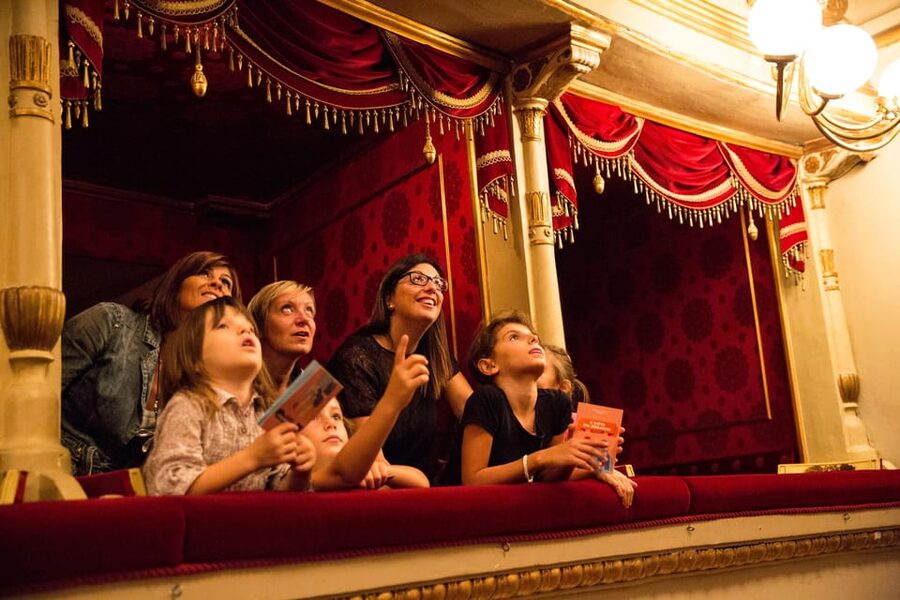
The auditorium is the emotional center of the visit. Even if you have little interest in opera, the view into this elegant performance space gives the museum a sense of occasion that ordinary theatre displays cannot provide.
The exact view is not guaranteed to be identical on every visit. Access can depend on theatre activity, including rehearsals. In some cases, you may look into the main room from higher seats or another permitted area rather than entering the best viewing position.
That is the main point to plan around. Several comments describe the auditorium view as the best part of the experience, while another notes that a rehearsal limited access to the main area. A rehearsal can be a bonus because you might see ballet or stage work in progress, but it can also mean that some sections are unavailable.
Before setting out, check the official theatre visibility page to see if the lights are on. This small step can make a real difference. When the auditorium is lit, you can better appreciate its decoration and structure. When it is dim or partly closed, the museum remains worthwhile, but the visit loses some of its visual impact.
Think of the theatre access as variable, not as a guaranteed private tour of every seat and box. That is a more realistic expectation and will help you judge the $17 price fairly.
Costumes, sets, instruments, and stagecraft
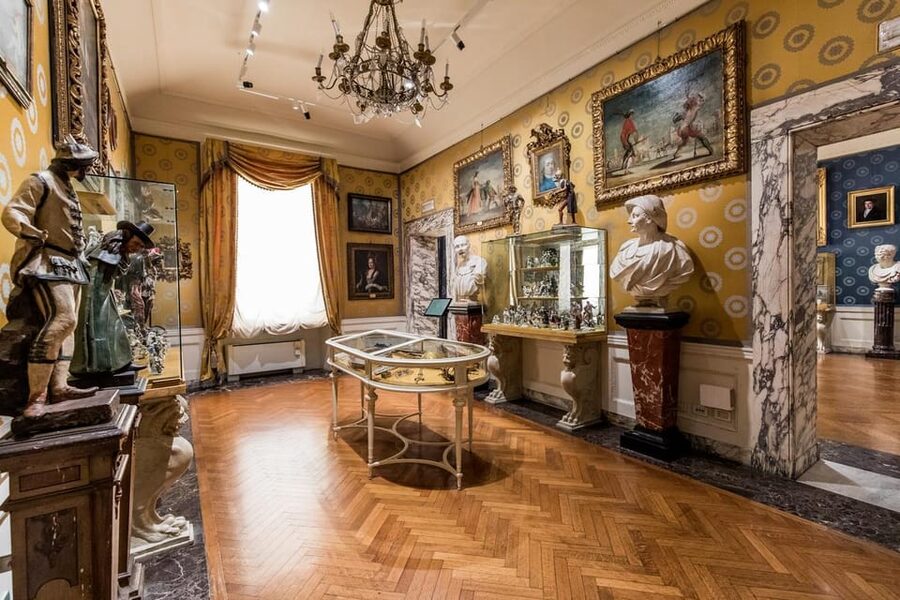
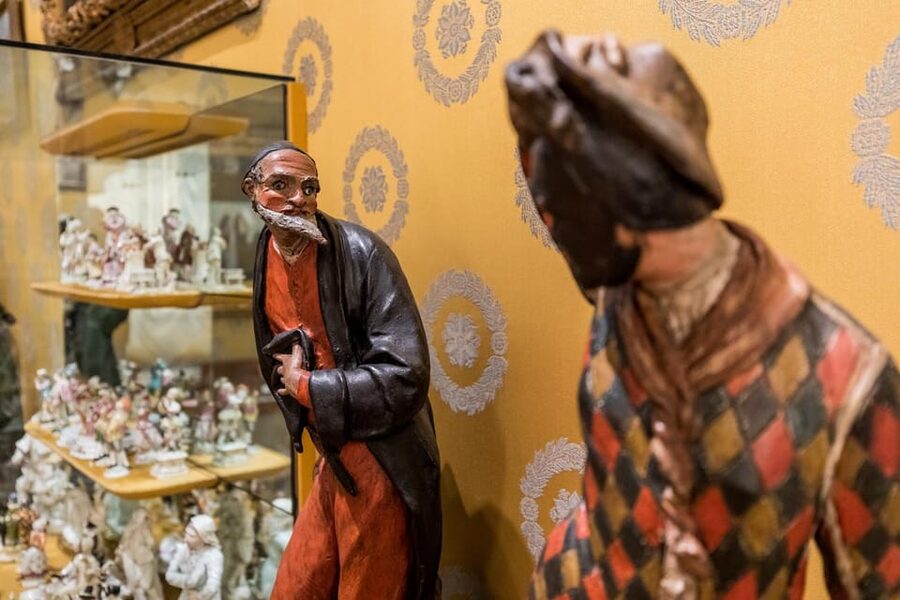
The museum collection covers the physical work behind a performance. You’ll see costumes and set designs, along with musical instruments connected to La Scala’s past.
These objects help you understand that opera is a large team effort. The singer receives much of the attention, but the visual world depends on clothing, scenery, musicians, lighting, and design. The displays give you a look at those supporting elements without requiring you to attend a full production.
The costumes are useful for visitors who enjoy visual detail. Set designs show how a production begins on paper before it takes shape on stage. Instruments connect the theatre to the musicians whose sound carries through the auditorium.
You may also find posters from earlier performances. They are especially useful because they show how the theatre presented itself over time. Posters turn a list of dates and names into something more concrete, and they help you see which performances were considered important enough to advertise and preserve.
The museum also uses visual media, including videos. This matters if you visit Milan when no opera or ballet is being performed. The recordings provide a sense of what the theatre feels like during a production, even though they cannot replace sitting through the real thing.
More museums and galleries in Milan:
- Milan: Leonardo3 The World of Leonardo Museum Entry Ticket
★ 4.4 · 3,241 reviews - Milan: La Scala Theater and Museum Tour with Entry Tickets
★ 4.7 · 1,722 reviews - Milan: Sforza Castle and Michelangelo’s Pietà Rondanini Tour
★ 4.7 · 1,119 reviews - Milan: Cathedral, Archeological Area and Museum Ticket
★ 4.5 · 1,093 reviews
The names behind La Scala
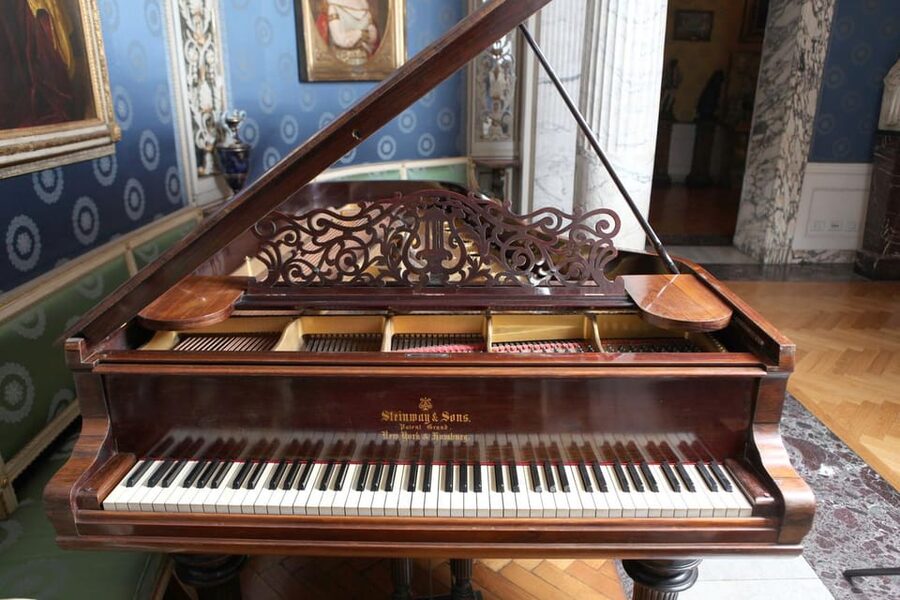
The theatre’s story is tied to major figures in Italian and international music. The displays refer to Giuseppe Verdi, Gioachino Rossini, Luciano Pavarotti, and Maria Callas, among other musicians and singers.
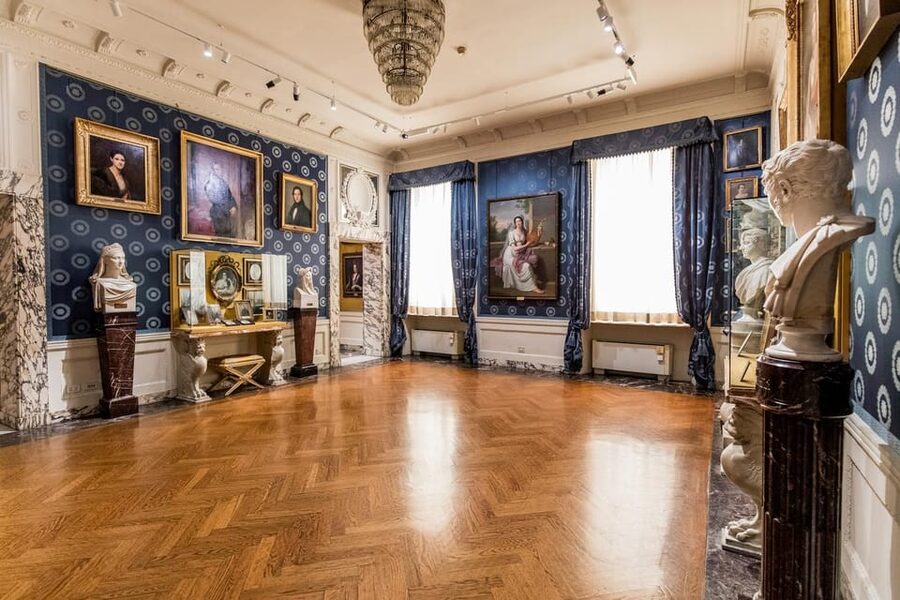
You do not need to arrive with a detailed knowledge of opera. The gallery of portraits and busts offers a simple way to put faces to the names. If you already know these artists, you’ll have more context for the objects and performances. If you do not, the museum still gives you a basic introduction to their role at La Scala.
This is one place where the app audioguide can help. It is available in seven languages and can be downloaded at the museum. Use it selectively rather than trying to listen to every item. I would focus on the sections that explain the theatre’s early years, notable performances, and the people represented in the portraits.
A comment about a staff member named Simona praises her local-history knowledge. If she is available during your visit, it would be sensible to ask her a question. However, this ticket includes an app audioguide, not a guaranteed personal guide, so you should not book it expecting a guided tour led by Simona or anyone else.
What a rehearsal can add, and what it can limit
A rehearsal is an unusual extra. You might see ballet or other stage work while visiting the museum, giving you a glimpse of La Scala as a working theatre rather than a preserved monument.
That glimpse can make the building feel more immediate. Instead of seeing only framed images and historic objects, you may hear or see preparation for a performance. Staff are described as respectful and willing to help during such visits.
There is a trade-off. Rehearsal activity may restrict access to the main auditorium area. One visitor could see the theatre from higher seats but could not enter the preferred viewing area. If seeing the auditorium from a box is your top reason for coming, check the visibility information carefully and accept that theatre operations may take priority.
I see this as a normal compromise at a living performance venue. A completely open building gives you a better sightseeing experience, while an active rehearsal gives you a more authentic look at the theatre in use. You should decide which matters more on the day.
How much value do you get for $17?
At $17 per person, this is a reasonable central Milan ticket if you care about opera, theatre design, music, or historic interiors. The price includes museum entry, access to the exhibits, and the seven-language app audioguide.
The value is strongest when you make time for both parts of the visit: the auditorium view and the museum displays. If you only glance at the collection and cannot see much of the theatre, the ticket may feel less satisfying. If you take time with the posters, portraits, videos, costumes, and instruments, the museum provides enough material to justify a short cultural stop.
The ticket also saves you from committing to a full opera evening. You can learn about La Scala during daylight hours and continue with your Milan plans afterward. For many people, that is the practical middle ground between skipping the theatre and buying a performance ticket.
The rating of 4.4 from 759 reviews points to a generally strong experience, but the comments also make the condition clear: the theatre view matters. Do not judge the museum only by its entrance or collection. Check the lighting and access status first.
Who will enjoy this most?
I would recommend La Scala Theatre Museum to:
- First-time visitors who want a cultural stop near the Duomo
- Opera and classical music fans
- Anyone interested in costumes, stage design, or theatre architecture
- Visitors who cannot fit an opera performance into their evening
- Families who prefer a shorter museum visit, since strollers are allowed
- People who want an indoor activity with wheelchair access
It may be less satisfying if you want a full theatre tour with guaranteed access to every auditorium level. It is also not the best choice if you dislike museums or have no interest in performance history and cannot see the theatre clearly on your chosen day.
The app audioguide makes the visit easier for independent sightseers, but it does not provide the personal exchange of a live guide. If you want a detailed conversation about Milanese music and theatre, ask staff questions when possible, but book this as a self-guided museum visit.
Practical advice for a smoother visit
Check the theatre visibility page before leaving your hotel. The page indicates whether the theatre lights are on, which helps you choose a better time for the auditorium view.
Allow enough time to look beyond the first rooms. The portraits and busts are easy to pass quickly, but they add names and faces to the theatre’s story. The videos are also worth using if no performance is taking place during your visit.
Download the app audioguide at the museum and bring a charged phone. Since the guide is app-based, you will get the most from it if your device is ready to use.
Do not bring large luggage or a big backpack. Store it in the cloakroom, and keep the visit lighter and easier. Wheelchair and stroller access is available, which makes this one of the more practical central Milan museum stops for visitors with mobility needs or young children.
Finally, do not confuse a museum ticket with an opera ticket. You are visiting the theatre and its collection, not attending a scheduled performance. A rehearsal may be visible, but it is not something to count on.
Should you book La Scala Theatre Museum?
Book it if you want to see one of Milan’s most famous theatre interiors, enjoy historic costumes and instruments, or need a compact cultural stop near the Duomo. At $17, it offers good value when the auditorium is lit and accessible, especially because the audio guide and museum collection are included.
I would check the theatre visibility information before paying. If the auditorium view is limited, the museum still has worthwhile posters, videos, portraits, set designs, and memorabilia, but the overall visit may feel smaller. For opera fans, theatre enthusiasts, and first-time Milan visitors, this is an easy recommendation. For everyone else, make the decision based on the day’s theatre access.
FAQ
What does the La Scala Theatre Museum ticket include?
The ticket includes entry to the La Scala Theatre Museum, access to the museum exhibits, and an app audioguide available in seven languages.
Can I see the La Scala auditorium?
You can view the theatre auditorium, but the exact access and visibility may vary. Check the official theatre visibility page to see if the lights are on, and remember that rehearsals can limit access to some areas.
Is this an opera performance ticket?
No. This is an entrance ticket to the theatre museum. You may see a rehearsal during your visit, but attendance at an opera or ballet performance is not included.
Are large bags allowed inside?
No. Luggage and large bags are not allowed in the museum areas. Large bags and backpacks must be left in the cloakroom.
Is the museum accessible for wheelchairs and strollers?
Yes. The theatre and museum are wheelchair and stroller accessible.
Can I cancel the booking?
You can cancel up to 24 hours in advance for a full refund. A reserve-now, pay-later option is also available.
More Museums in Milan
- Casa Milan: Museum Entry Ticket
★ 4.6 · 969 reviews - La Scala Theatre and Museum guided experience
★ 4.5 · 664 reviews - Milan: Official San Siro Stadium and Museum Tour
★ 4.0 · 419 reviews - La Scala Theatre and Museum Tour in Milan With Private Guide
★ 3.5 · 384 reviews
More Attraction Tickets in Milan
- Milan: Cathedral and Duomo’s Terraces Entrance Ticket
★ 4.6 · 61,054 reviews - Milan: Sforza Castle Entry Ticket with Digital Audio Guide
★ 4.0 · 2,675 reviews - Milan: Last Supper Entrance Ticket and Guided Tour
★ 4.6 · 1,792 reviews - Milan: Last Supper Skip-the-Line Entry Ticket & Guided Tour
★ 4.8 · 1,451 reviews
Just added around Milan
- Visit of Verona and Lake Garda. Full day tour from Milan★ 4.6 · 5 reviews
- From Milan: Villa del Balbianello and Varenna by Train★ 4.2 · 27 reviews
- Explore History and Style with this Walking Tour in Milano★ 5.0 · 15 reviews
- Trekking in the Wood with picnic on the turtles lake★ 5.0 · 9 reviews
- Trekking in the Wood with picnic on the turtles lake★ 5.0 · 8 reviews
- LINATE – MILANO airport transfer★ 4.5 · 14 reviews
- Hot air balloon flight Milan Monday-Friday★ 5.0 · 18 reviews
- Lake Como trekking private guided tour, from Milan★ 5.0 · 9 reviews
La Scala Theatre Tours, compared.
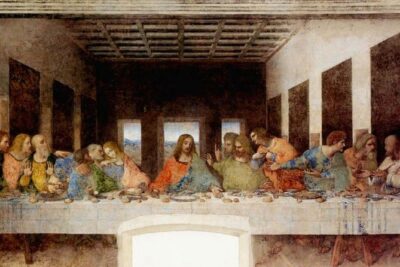
Milan’s Must See: Half-Day Tour of Last Supper, Duomo & La Scala
Read our review →
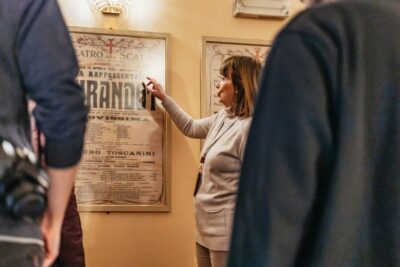
La Scala Theater and Museum Tour with Entry Tickets
Read our review →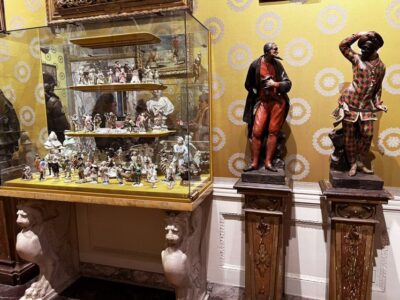
La Scala Theatre and Museum Tour in Milan With Private Guide
Read our review →
Skip-the-Line Duomo & La Scala Museum Tour + Hop On Hop Off
Read our review →Browse the lists this tour appears in