
Reviewed · MILAN COOKING CLASSES
Choose three recipes to cook from all the traditional cuisine
The best part of this Milan cooking class is that you do not simply watch a chef prepare a plate. You make your own portion from the start, then eat it at the same table. Depending on the date and booking order, you may choose three recipes from a wide list that ranges from handmade pasta and saffron risotto to zucchini flowers, ossobuco, and tiramisu.
I like the home-kitchen setting, which gives the meal a more personal feel than a polished culinary school. I also like the broad recipe choice, especially for anyone who wants something beyond the usual pasta and pizza. The main thing to understand is that recipe choice depends on being the first person to book that date, and the amount of hands-on work can vary by chef and dish.
Key points at a glance
- Three recipes, chosen from Italian traditions: Options include tagliatelle, ravioli, gnocchi, lasagna, Milanese risotto, pizza, lamb, cod, eggplant parmigiana, and several desserts.
- You cook your own food: Nothing is prepared in advance for your portion, so you practice cutting, kneading, seasoning, frying, boiling, and timing.
- Aurora, Lucrezia, or Elena may lead the class: Each chef teaches in English and serves the meal in the home kitchen.
- The meal includes drinks: You receive a welcome glass of prosecco, two glasses of wine, and limoncello at the end.
- Small groups keep the class personal: The maximum is 10 people, though some dates may be smaller.
- Allow about three hours: Roughly two hours are spent cooking, followed by lunch or dinner at the table.
What the Milan cooking experience is really like
This is a cooking lesson followed by a meal, not a restaurant dinner with a short demonstration attached. You arrive at Via Mantova 19 in Milan, meet the chef, and settle into a home kitchen where the class begins with an introduction and a welcome glass of prosecco.
The chefs listed for this experience are Aurora and Lucrezia, with Elena also leading many sessions. You should expect an approachable teaching style aimed at ordinary home cooks. The class covers practical basics such as how to cut ingredients, when to add herbs and spices, how long to cook each item, and when frying or boiling is the right method.
The advertised cooking period is about two hours. Afterward, you sit down for the three-course meal you helped prepare. That shift from chopping board to dining table is important. You are not judging a professional chef’s finished dish. You are eating food that you made, with all the small victories and occasional rough edges that come with it.
The setting can also shape the experience. Most sessions take place in a normal home environment rather than a sleek teaching studio. That makes the evening feel relaxed and social, but it also means the surroundings may be plain, and outside noise is possible. If you need a highly polished culinary production, this may feel informal.
More cooking classes in Milan:
- The Secrets to Learn Fresh Pasta and Tiramisù in a Glam Home
★ 5.0 · 1,182 reviews - Milan: Pasta and Tiramisu Cooking Class with Wine
★ 4.8 · 1,106 reviews - Gnocchi, Pasta, Tiramisù and Wine Class
★ 5.0 · 691 reviews
Choosing your three recipes
The menu is much wider than the title of a typical Milan pasta class suggests. You can choose from recipes connected to several parts of Italy, not just Lombardy.
The first person to book the date gets first choice of the three recipes. That is a valuable detail, especially if you have your heart set on saffron risotto, pumpkin ravioli, or Caprese cake. If you book later, you will receive the available choices from the chef and select from what remains.
Possible dishes include:
- Fresh tagliatelle with Bolognese sauce
- Pumpkin ravioli or ricotta and spinach ravioli
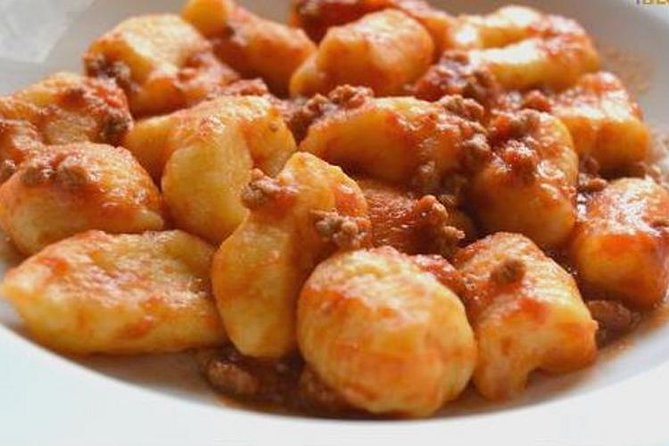
- Handmade potato gnocchi
- Meat or vegetarian lasagna
- Milanese risotto with saffron
- Pizza or fried panzerotti
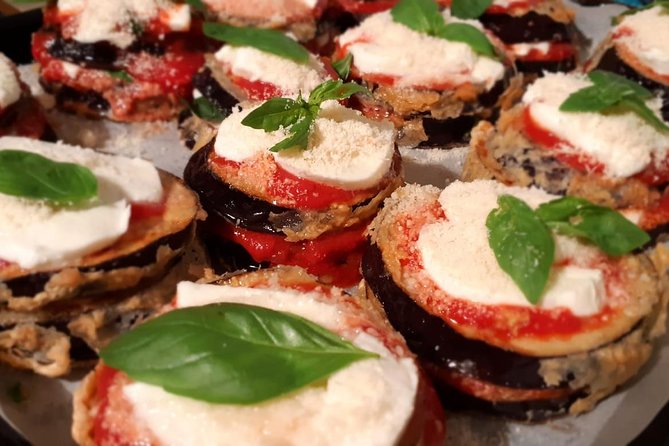
- Eggplant parmigiana
- Fried zucchini flowers filled with mozzarella
- Roman-style lamb
- Venetian-style cod cooked with milk and onion
- Bruschetta
- Tiramisu, panna cotta, Sicilian cannoli, or Caprese cake
This range lets you shape the class around your interests. A pasta lover might choose tagliatelle, ravioli, and tiramisu. Someone interested in Milanese cooking could select saffron risotto, ossobuco, and a dessert. A vegetarian group can focus on eggplant parmigiana, zucchini flowers, and a pasta dish.
The selection also affects how much technique you will practice. Handmade ravioli involves dough and filling. Gnocchi teaches you how to handle potatoes without making them heavy. Risotto requires attention to liquid and timing. Cannoli involves making the shell and filling it with sheep’s ricotta. Ask about the exact menu before you arrive if learning a particular technique matters to you.
The cooking: hands-on, practical, and not perfectly uniform
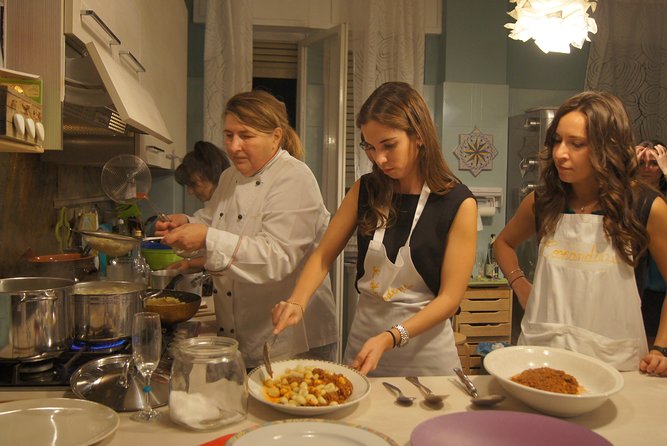
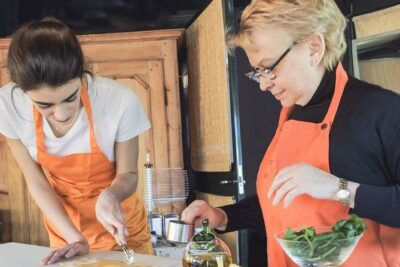
The strongest part of this experience is the chance to work with your own hands. You are expected to prepare the food rather than stand behind a counter while someone else does everything. That means you can practice kneading pasta, shaping ravioli, forming gnocchi, assembling lasagna, topping pizza, or preparing a dessert.
The class is also designed around ingredients that you can find in your own country. That makes the recipes more useful after your holiday. You are not learning a dish that depends on one rare Milanese product you cannot replace at home.
The pace is organized around making several dishes in one session. In some classes, dessert is prepared first so it has time to set. The meal might then move to meatballs, eggplant parmigiana, or pasta. This is a sensible kitchen lesson because timing is part of cooking. You learn that a meal is not made in the order it is served.
There is one point to keep in mind: hands-on does not always mean every person performs every step of every dish. One session may give you more direct work with dough, while another may focus more on toppings, filling, or assembly. A class member who expected to make pizza dough from scratch found the experience less hands-on than expected because the work centered on topping the pizza.
The best approach is to tell the chef what you want to learn. If you are new to pasta, say so. If you already cook, ask for more responsibility. The chefs appear willing to adjust when they can, but this is a shared class rather than a private lesson guaranteed to follow your exact skill level.
The dishes worth considering
A different sort of day out of Milan entirely:
- Milan: Cathedral and Duomo’s Terraces Entrance Ticket
★ 4.6 · 61,054 reviews - Milan: City Sightseeing Hop-On Hop-Off Bus with Audio Guide
★ 4.0 · 6,256 reviews - Milan Cathedral: Duomo Terraces Ticket (No Church Access)
★ 4.6 · 6,111 reviews - Milan: Milan Cathedral Direct Entrance – Terrace Excluded
★ 4.5 · 5,782 reviews
Handmade pasta and gnocchi
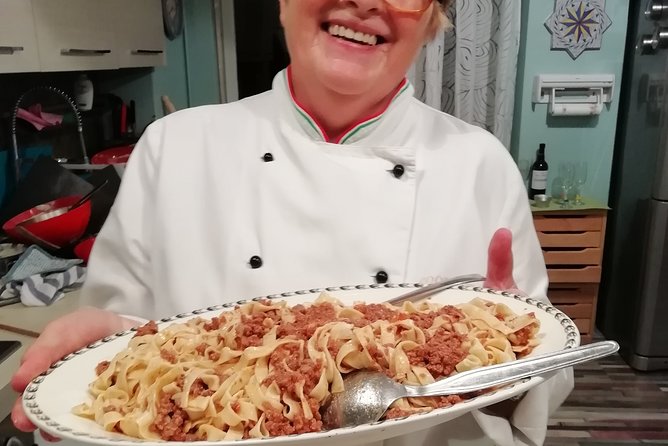
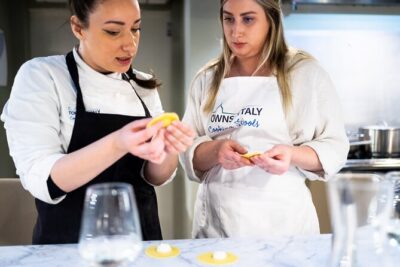
Fresh egg pasta is the natural choice if you want the most useful skill to take home. Tagliatelle with Bolognese gives you practice with pasta dough and a classic meat sauce. Ravioli adds another layer, since you must prepare filling, shape the pasta, and seal it properly.
The pumpkin ravioli and ricotta-spinach versions offer different lessons. Pumpkin brings sweetness and softness, while ricotta and spinach make a milder filling. Potato gnocchi is another good pick for home cooks because the ingredients are simple, but the texture depends on how gently you work the dough.
Several diners have returned home eager to repeat the gnocchi and pasta recipes. That makes sense: these are dishes you can practice without special equipment, although one class uses an automatic pasta maker that some people found useful enough to buy afterward.
Milanese risotto and ossobuco
Saffron risotto is the most clearly Milanese choice on the menu. The rice is cooked in broth with saffron, using chicken and beef flavors. It is a slow, attentive dish, and the class gives you a chance to learn how liquid and timing affect the final texture.
Ossobuco is another strong choice if you want a local specialty rather than a familiar pasta dish. The menu also includes Roman-style lamb cooked with wine, garlic, and anchovy, plus Venetian-style cod cooked in milk and onion, then creamed and spread on polenta.
These dishes widen your view of Italian food. Italian cooking is not one national style with a single menu. Regional traditions use different fats, sauces, grains, seafood, and cooking methods. A class that includes Milanese risotto beside Roman lamb or Venetian cod gives you a small but useful taste of that variety.
Vegetables, pizza, and fried dishes
Eggplant parmigiana is a good choice if you want to understand how a simple vegetable becomes a full main course. The eggplant is sliced, breaded, fried, and baked again with mozzarella, basil, and tomato sauce. It takes more steps than the name suggests, which makes it a satisfying group dish.
Fried zucchini flowers are a more unusual option. The flowers are filled with mozzarella and fried. They are seasonal in many places, so this is one recipe worth choosing if you want something less likely to appear in a standard home-cooking class.
Pizza and panzerotti offer a more casual route. You knead and top the pizza, while panzerotti are folded pockets filled with mozzarella and tomato, then fried rather than baked. Confirm how much dough preparation is included if that is your main reason for choosing pizza.
Desserts
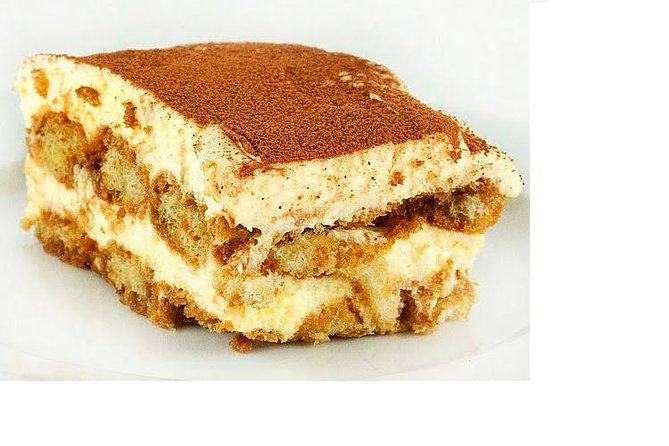
Tiramisu is a practical choice because it is familiar, useful, and easy to repeat at home once you understand the balance of mascarpone and coffee. Panna cotta with fresh cream and strawberries is lighter and teaches a different kind of setting technique.
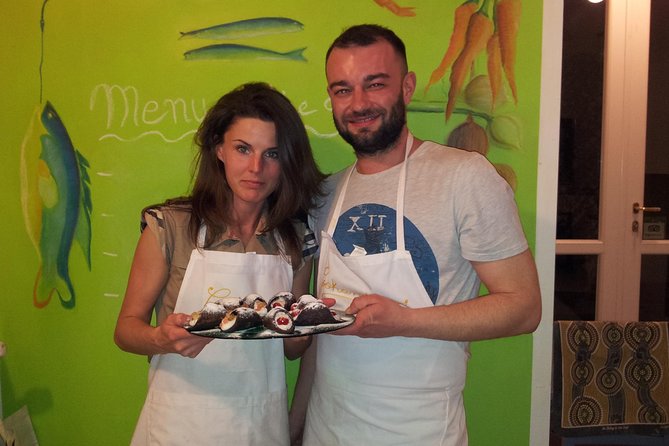
Sicilian cannoli gives you more work. You make the tube, fry it, and fill it with sheep’s ricotta. Caprese cake is made with almonds, eggs, and cocoa powder, making it a gluten-free dessert option. One useful tip is to choose the Caprese cake if someone in your group needs a gluten-free dessert and you want everyone eating the same final course.
Lunch, dinner, wine, and the social side
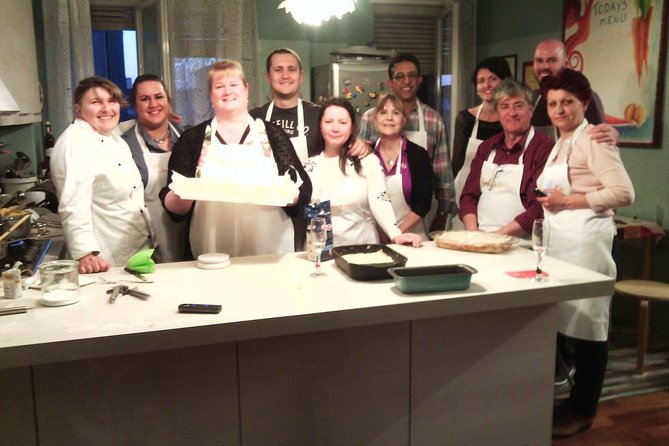
The class is offered as either lunch or dinner. Both include the cooking lesson and the meal, with a welcome glass of prosecco, two glasses of Italian wine per person, and limoncello at the end.
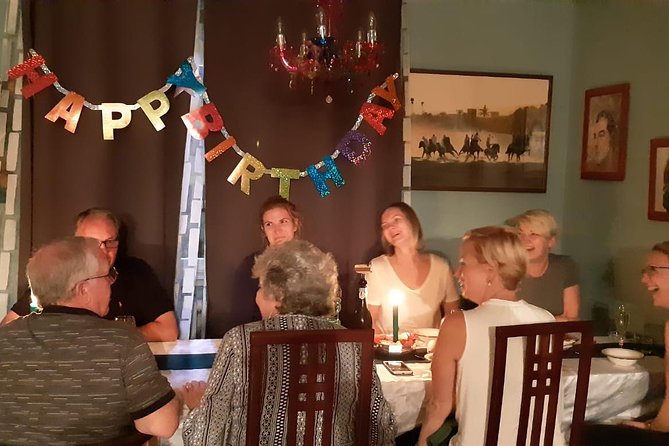
The drinks are part of the social rhythm, not just an extra item on the bill. You begin with prosecco, cook while talking with the chef and other people at the table, then sit down to eat with wine. Limoncello closes the meal in a distinctly Italian way.
You should still keep the setting in mind. This is a home meal for a small group, not a private dining room where every request is built around you. The maximum group size is 10, and the actual number may be lower. Smaller groups can lead to more direct instruction, while a full class means more conversation and less individual attention.
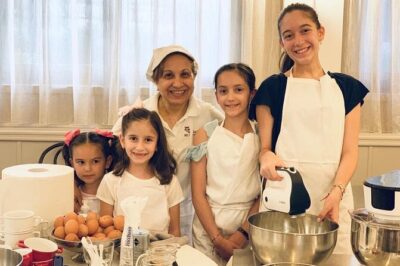
The best moments often come from working beside family members or friends. Teenagers can take part, and children must be accompanied by an adult. The class has worked well for families with children and older teenagers because the chefs explain each step and encourage beginners to try.
Price, timing, and practical value
At $145.18 per person, this is not a cheap meal. It becomes better value when you count what is included: about three hours, instruction, three recipes, the food you prepare, a sit-down lunch or dinner, two glasses of wine, prosecco, limoncello, and recipes in English.
You are also paying for access to a local home kitchen and a chef who teaches rather than simply serves. If you would only pay for a restaurant meal, the price may feel high. If you want to learn techniques you can repeat at home, the value is stronger.
The class is normally booked well ahead, with an average booking lead time of 46 days. That matters if you want to be first on a date and choose the recipes. Book early, then respond promptly when Aurora or Lucrezia contacts you with the available menu.
The meeting point is near public transportation. There is no hotel pickup or drop-off, so you need to make your own way to Via Mantova 19. Wear comfortable walking shoes, arrive on time, and do not count on a late arrival being accepted. Delays of more than 20 minutes are not accepted.
Specific dietary needs should be given when booking. Vegetarian and gluten-free options are available, but the chef needs advance notice to plan the recipes safely and sensibly.
What the strong points and weak points add up to
This experience has a 4.8 rating from 214 ratings, with 96 percent of people recommending it. The most consistent strengths are the chefs’ warmth, clear instruction, family-friendly approach, and the pleasure of eating what you made.
Aurora, Lucrezia, and Elena each bring a personal teaching style. Elena is often praised for patience and enthusiasm, while Lucrezia has led relaxed evening classes and adapted to allergy needs. Aurora handles communication and the overall organization. The experience can depend on which chef leads your date, so it is fair to expect a human home-kitchen class rather than a fixed commercial production.
The weak points are worth taking seriously. One class had a tense moment after an egg was dropped, and the pasta dough did not turn out well. Building construction also caused noise that day. Another person found the cooking unorganized, did not get the recipe email, and felt the drink service was unclear.
Some of those problems can be reduced by confirming the menu, dietary needs, and email address before the class. Check your spam folder afterward if the recipes do not arrive. Still, the teaching style may vary, and a home kitchen cannot promise the same polished conditions every day.
Who should book this class
I would choose this for a couple, family, or small group that wants to cook together and share a meal. It is especially good for people who want to take home practical Italian recipes rather than simply collect food photographs.
It suits beginners, since you receive step-by-step help, but experienced home cooks can get more from it by asking to handle the dough, sauce, or timing. It also works well for families with children, provided an adult accompanies them and everyone is ready for a three-hour activity.
I would hesitate if you dislike group activities, need a quiet and formal environment, or expect to control every dish. I would also avoid booking late if selecting specific recipes is important to you.
Should you book the Milan cooking class?
Book it if you want an intimate meal with a real cooking component, especially if handmade pasta, risotto, regional dishes, or Italian desserts appeal to you. The strongest value comes from choosing recipes early, telling the chef about dietary needs, and arriving ready to work rather than watch.
Skip it if you want a guaranteed private lesson or a perfectly controlled culinary studio. For most people, though, the combination of practical instruction, a home setting, generous food, wine, and recipes in English makes this one of Milan’s more personal food experiences.
FAQ
How long does the cooking class last?
The full experience lasts about three hours. About two hours are spent cooking, followed by lunch or dinner with the dishes you prepared.
How many recipes will I cook?
You will choose and prepare three recipes from the available Italian menu. The first person to book that date gets first choice of the three dishes.
Which chefs teach the class?
The class may be led by Chef Aurora, Chef Lucrezia, or Chef Elena. All recipes and instruction are offered in English.
What food can I prepare?
Choices may include tagliatelle, ravioli, gnocchi, lasagna, pizza, panzerotti, saffron risotto, eggplant parmigiana, zucchini flowers, lamb, cod, tiramisu, panna cotta, Sicilian cannoli, and Caprese cake.
Are vegetarian and gluten-free options available?
Yes. Vegetarian and gluten-free options are available, but you should give the chef your dietary requirements when booking.
What drinks are included?
You receive one welcome glass of prosecco, two glasses of Italian wine, and limoncello at the end of lunch or dinner.
Where does the class meet, and is hotel pickup offered?
The meeting point is Via Mantova 19, 20135 Milan. Hotel pickup and drop-off are not offered, and the activity ends back at the meeting point.
Just added around Milan
- Visit of Verona and Lake Garda. Full day tour from Milan★ 4.6 · 5 reviews
- From Milan: Villa del Balbianello and Varenna by Train★ 4.2 · 27 reviews
- Explore History and Style with this Walking Tour in Milano★ 5.0 · 15 reviews
- Trekking in the Wood with picnic on the turtles lake★ 5.0 · 9 reviews
- Hot air balloon flight Milan Monday-Friday★ 5.0 · 18 reviews
- Trekking in the Wood with picnic on the turtles lake★ 5.0 · 8 reviews
- LINATE – MILANO airport transfer★ 4.5 · 14 reviews
- Lake Como trekking private guided tour, from Milan★ 5.0 · 9 reviews
Milan Cooking Classes, compared.
The Secrets to Learn Fresh Pasta and Tiramisù in a Glam Home
Read our review →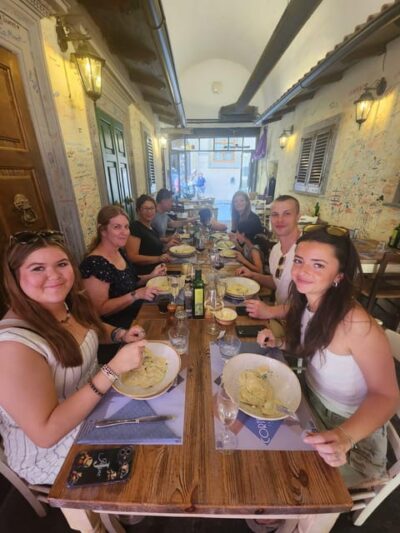

Pasta and Tiramisu Small Group Cooking Class with Wine
Read our review →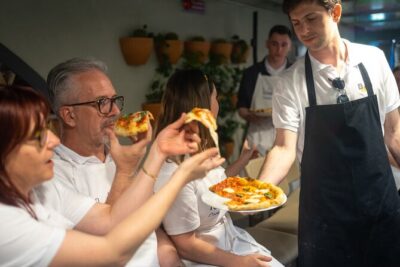
Milan Cooking Class: Authentic Pizza & Gelato Making
Read our review →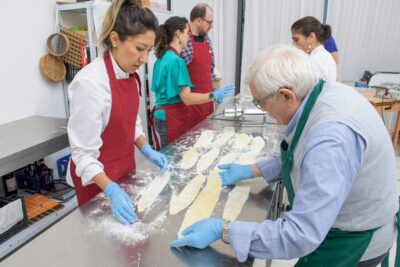
Milan Culinary Experience: Pasta & Gelato or Tiramisù Class
Read our review →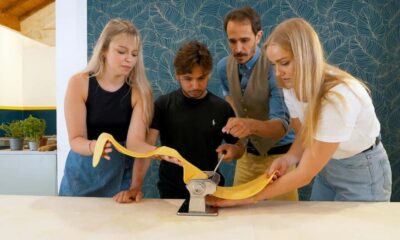
Browse the lists this tour appears in