
Reviewed · MILAN COOKING CLASSES
Milan: Italian Cooking Class with Food and Wine
Milan’s best souvenirs do not fit in a suitcase. In this three-hour class, you make fresh pasta, prepare other Italian dishes, and then eat what you cooked with wine at the table. Chef Ilaria brings plenty of humor and practical advice, including strong opinions about proper carbonara.
I like the hands-on format, with your own work station, tools, apron, and gloves. I also like the useful recipes, which are simple enough to try at home rather than being restaurant tricks you will never repeat. The main consideration is that the dishes can change, and some sauces may already be prepared because a three-hour class cannot cover every slow-cooked step from start to finish.
Key points
- Fresh pasta is the main event: Learn to make pasta dough and use a pasta machine for shapes such as tagliatelle or ravioli.
- Chef Ilaria leads with personality: Her teaching mixes technique, food history, humor, and firm Italian cooking rules.
- The menu changes: You might prepare bruschetta, gnocchi, tiramisù, biscotti, strudel, ravioli, or fresh pasta with prepared sauces.
- The meal is part of the lesson: Sit down as a group, eat the dishes you made, and enjoy red or white wine.
- You leave with usable recipes: The recipes are provided so you can recreate the food at home.
- Know the limits: The class is not suitable for children under 10, people with mobility impairments, pets, smoking, or large bags.
Why This Milan Cooking Class Works
A cooking class can be a tourist performance, with a chef doing most of the work while you watch. This one aims for something more useful. You handle ingredients, shape pasta, mix, cut, assemble, and ask questions as you go.
The class takes place at Chef and the City, a street-level shop with three large windows and red signs above them. Ring the bell at the main window door when you arrive. The simple storefront matters because this is not a grand restaurant dining room. It is a working cooking space, designed for practice first and atmosphere second.
The price is $80 per person for three hours. That includes food, wine, other beverages, cooking equipment, gloves, aprons, snacks, and the recipes. For Milan, that is a fair package, especially since you finish with a full meal rather than a small taste.
I would not book this only for a free lunch. The real value is learning enough to repeat the dishes later. If you have been curious about making pasta but have never worked with dough, the class gives you a friendly push over that first hurdle.
More cooking classes in Milan:
- The Secrets to Learn Fresh Pasta and Tiramisù in a Glam Home
★ 5.0 · 1,182 reviews - Milan: Pasta and Tiramisu Cooking Class with Wine
★ 4.8 · 1,106 reviews - Gnocchi, Pasta, Tiramisù and Wine Class
★ 5.0 · 691 reviews
Meeting Chef Ilaria and Her Team
Chef Ilaria is the main personality associated with the class. She teaches in English or Italian and explains both the practical steps and the reasons behind them. Her style is warm, funny, and direct.
Expect some traditional Italian kitchen rules. Carbonara, for example, is treated seriously. Cream and bacon may be common shortcuts outside Italy, but Chef Ilaria makes clear that they do not belong in her version. That kind of opinion is part of the fun, and it gives the class a sense of place rather than making it a generic international cooking lesson.
You may also work with members of her team, including Fernando or Klara. The teaching setup can vary by session. One class may be led by Ilaria, while another includes an assistant or another instructor. If meeting Ilaria personally is important to you, keep that possibility in mind when booking.
The atmosphere is social without requiring you to arrive with a group. Solo visitors can work beside people from different countries, while couples and families can share a station or nearby work space. Group size can vary, and a smaller session may feel more personal but less lively.
Starting With Snacks and Kitchen Rules
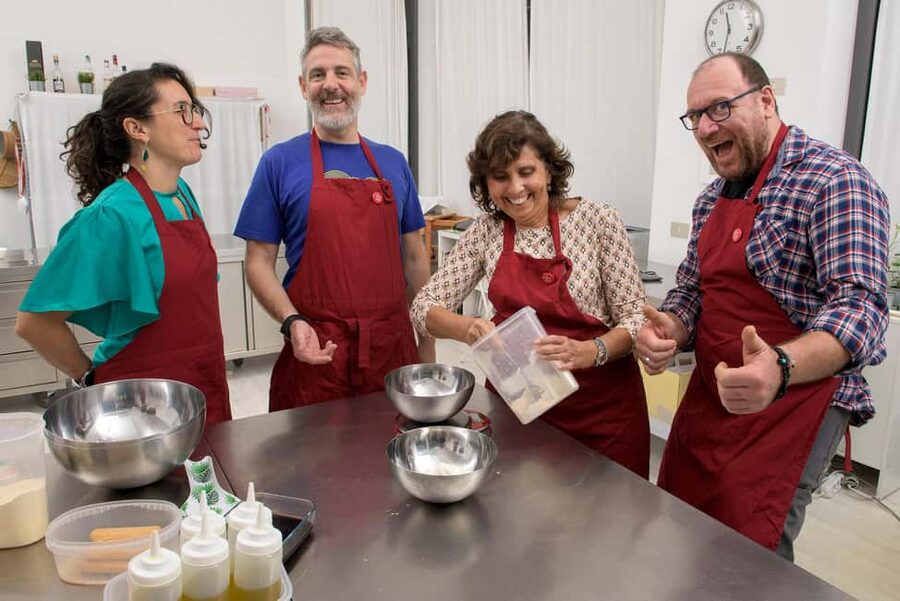
The class does not begin with everyone tasting ingredients while cooking. Because you are working in a professional kitchen, you are asked not to eat or drink during preparation. Long hair must be tied back, and large bags and luggage are not allowed.
That may sound strict, but it keeps the work area clean and makes the three hours run smoothly. You receive an apron, gloves, and cooking tools, then work from your own personal desk.
Light snacks are available during the session. These can include cheese, sun-dried tomatoes, mortadella, olives, cookies, biscuits, and candies. Coffee, tea, infusions, and water are also available.
The snacks help fill the gaps while dough rests or a preparation comes together. They also give you something to enjoy without turning the cooking period into a messy grazing session.
Making Fresh Pasta From Scratch
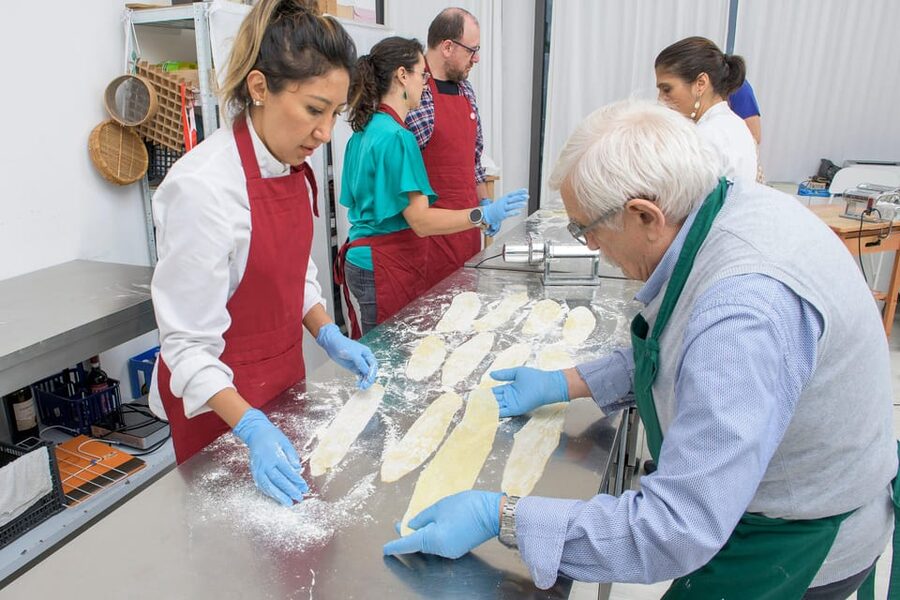
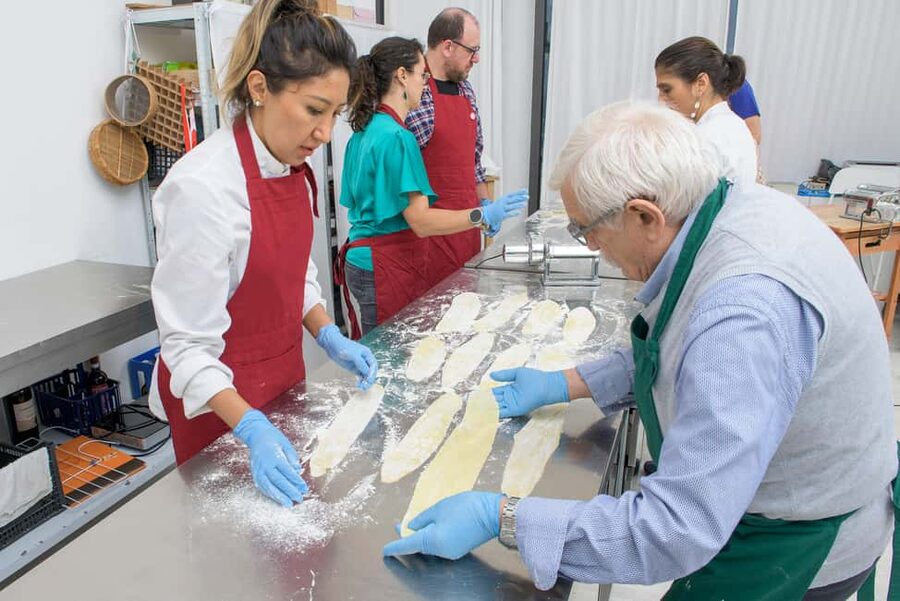
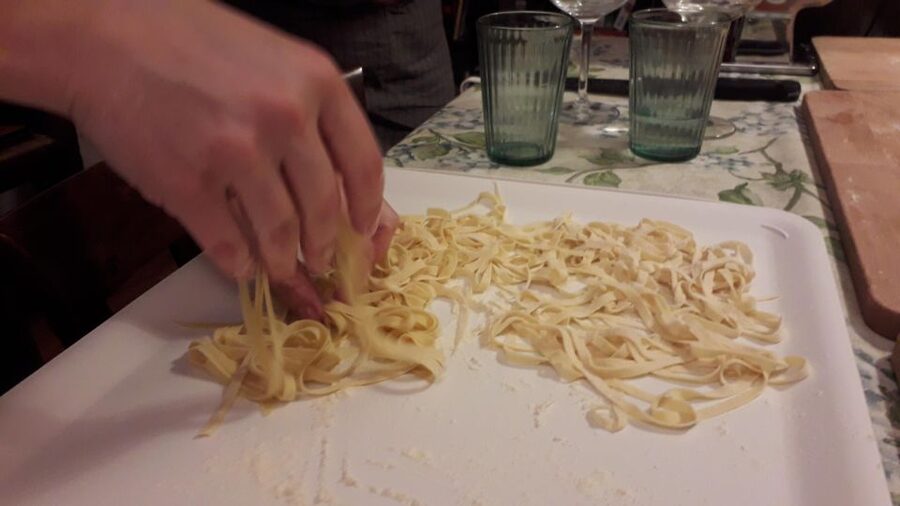
Fresh pasta is usually the most memorable part of the class. You learn how to prepare the dough, work it, and use a pasta machine. Depending on the menu, you may make tagliatelle, ravioli, or another pasta shape.
This is where the class earns its practical value. Pasta dough looks simple, but small details matter: how the dough feels, how thin to roll it, and how to avoid sticking. You are not simply handed a finished sheet and told to cut it. You get direct practice.
The class may also cover gnocchi. That changes the skills involved, since gnocchi requires a softer mixture and a different touch. A session with gnocchi, especially gnocchi with butter and sage, gives you another useful Italian staple to repeat at home.
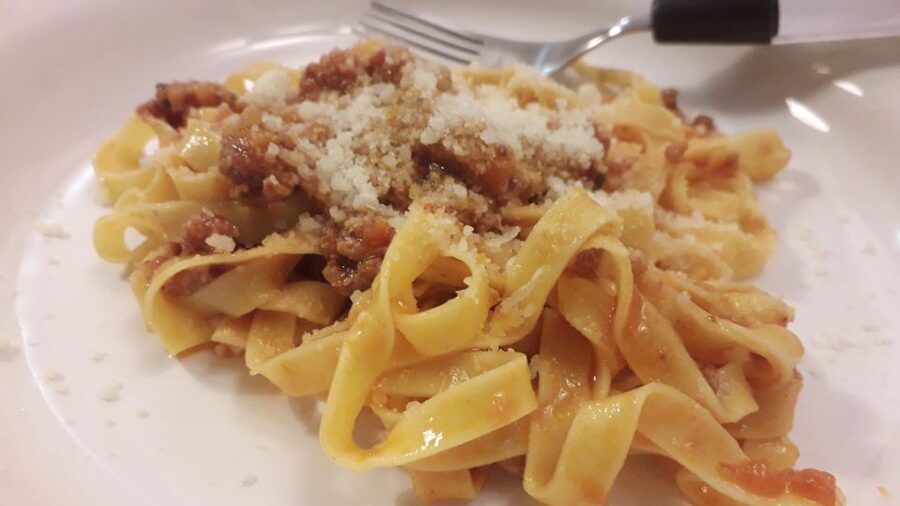
Do not expect to prepare every pasta dish named in the general menu. The class lasts three hours, so the exact selection changes. Fresh pasta may be paired with a sauce made ahead of time, such as ragù or cacio e pepe. That is not a flaw, but it is worth understanding before you arrive.
Slow ragù takes hours, and some sauces need careful preparation that would leave little time for hands-on pasta work. The trade-off is sensible: you learn the pasta properly, then taste sauces prepared by the chef. If your main goal is learning sauces from start to finish, this format may feel incomplete.
More wine tastings around Milan:
- Small-Group Barolo Wine Tasting, Alba & UNESCO Piedmont Hills
★ 5.0 · 689 reviews - Milan: Pasta and Tiramisu Small Group Cooking Class with Wine
★ 5.0 · 660 reviews - Milan: Wine Lovers Experience at Cantina Urbana Winery
★ 4.6 · 454 reviews - Pizza Cooking Class with Tiramisù and Wine Tasting in Milan
★ 5.0 · 172 reviews
Bruschetta, Gnocchi, Desserts, and Other Menus
The three dishes are usually arranged as an appetizer, a main course, and a dessert. Bruschetta is one possible starter. It is a simple dish, but it teaches useful habits about bread, toppings, seasoning, and balance.
Other sessions have included eggplant parmigiana, ravioli, gnocchi, focaccia, or other traditional dishes. Desserts can include tiramisù, biscotti, cantucci, apple strudel, or similar sweets.
This variety is a strength if you might take the class more than once. A returning student may find a different menu and practice new techniques. It is less ideal if you have booked specifically to make tiramisù or gnocchi and expect that dish to appear every time.
The recipes are supplied afterward, so you can check exactly what you made. That matters because cooking classes often move quickly. You may remember the broad method but forget the quantities, order, or resting time once you return home.
Eating the Meal You Made
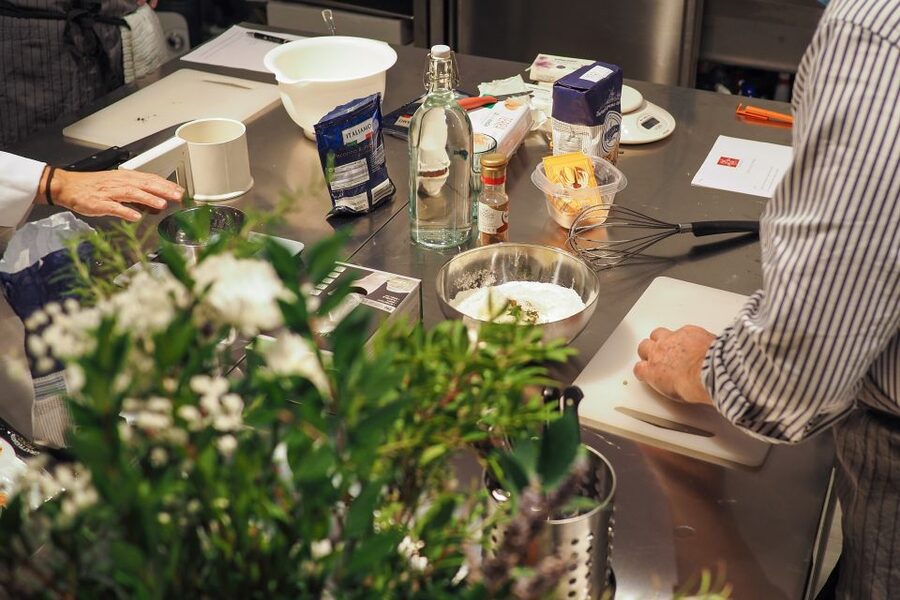
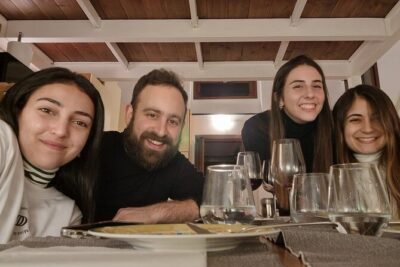
After the preparation, everyone sits down in the dining area. This is not an afterthought. Sharing the finished food gives you a chance to see how the separate tasks fit together.
The meal usually includes the three dishes prepared during the workshop, along with wine. Red and white wine may both be available. The food is served in a relaxed group setting, so the final part feels more like a communal Italian meal than a formal restaurant service.
I like this ending because you can compare the result with what you expected while the techniques are still fresh in your mind. You also get time to talk with the other people in the class, which can be a pleasant part of the Milan experience.
Wine is included, but remember that this remains a cooking class. If you want a long evening of wine tasting, this is not the right format. If you want a glass with a meal you helped prepare, the arrangement works well.
Healthy Cooking and Less Waste
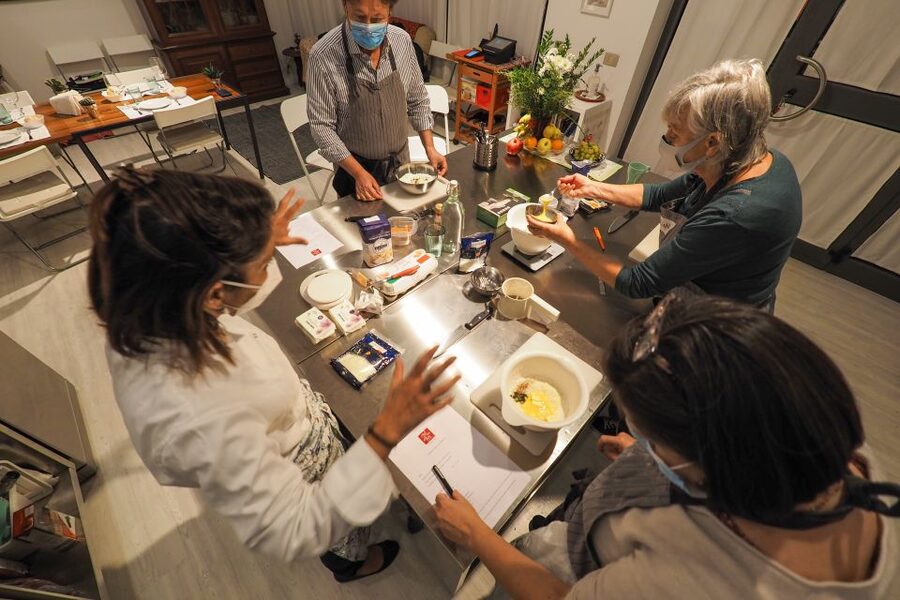
The class presents Italian cooking in a modern, practical way, with attention to healthy and waste-free cooking. That does not mean every dish will be light. Pasta, cheese, wine, dessert, and traditional sauces are still part of the experience.
The useful point is learning how to treat ingredients with care. A professional kitchen tends to show you how to use what you have, avoid unnecessary waste, and build flavor from basic components.
This approach also makes the class more useful at home. You are not buying unusual ingredients for a single demonstration. The recipes focus on familiar Italian preparations that can be adapted to an ordinary kitchen.
How Social Is the Experience?
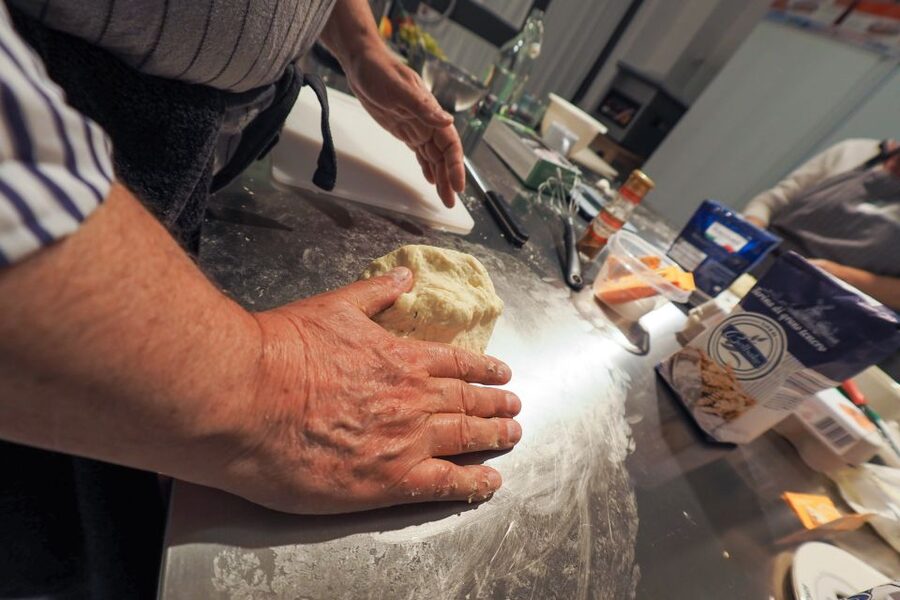
The class attracts couples, families with older children, solo visitors, and people from many countries. You work independently at your station but prepare and eat the food as a group.
That balance suits me. You have enough personal space to focus on the dough or ingredients, yet the class does not feel like a private appointment. The meal at the end gives everyone an easy chance to talk.
Group size is not fixed. A very small class can feel personal and allow more direct help, though it may lack the energy of a larger group. One small session had only two participants, and they still enjoyed it, but the social side naturally depends on who books that day.
If you are shy about joining alone, this is a good type of activity to try. The food gives you an immediate shared subject, and questions about pasta are easier than making conversation from nothing.
Timing, Location, and What to Bring
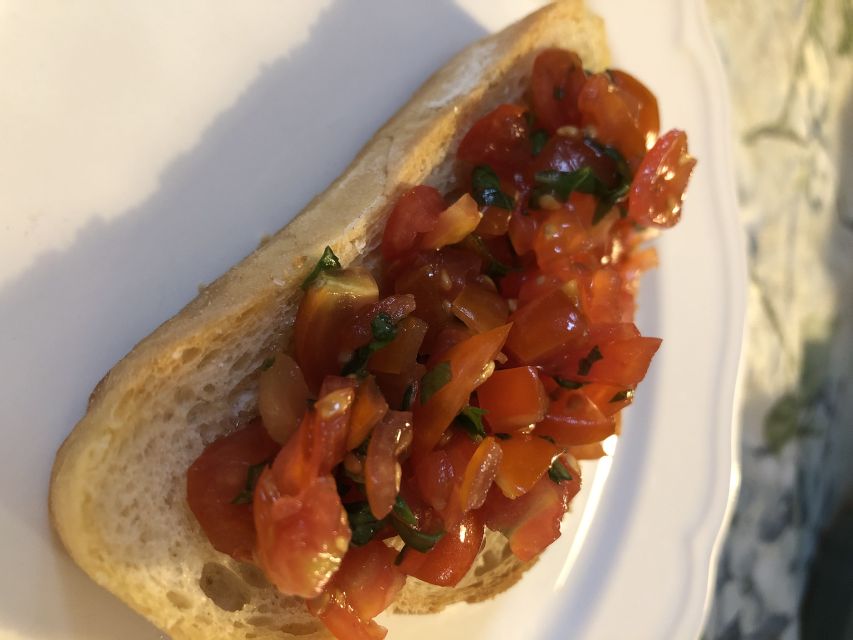
The activity lasts three hours, with starting times depending on availability. Plan your day around the full session rather than treating it as a quick stop between major sights.
Chef and the City is easy to identify by its three large windows and three red signs. Ring the bell at the main window door when you arrive.
Do not bring a suitcase, large bag, or stored luggage. There is no private transportation included, so you make your own way to the meeting point. Pets and smoking are not allowed.
Wear something practical for cooking. An apron is provided, but flour, sauce, and other ingredients are easier to manage in clothes you do not mind using in a kitchen.
The activity is not wheelchair accessible and is not suitable for people with mobility impairments. Children under 10 cannot participate. If you have food allergies or follow a gluten-free diet, the class has accommodated such needs in some sessions, but you should confirm that your requirements can be handled before relying on the experience.
Is $80 a Fair Price?
At $80, you are paying for more than a meal. The fee covers three hours of instruction, ingredients, equipment, an apron, gloves, snacks, beverages, wine, and written recipes.
A cheaper meal in Milan will not give you the same hands-on practice. A private cooking lesson would likely cost more, but might offer a more focused menu and more control over the dishes. This class sits in the middle: social, practical, and reasonably priced.
The strongest value comes if you cook at home afterward. Make the pasta again, try the bruschetta, or prepare the dessert for friends. If you only want to eat Italian food and have no interest in cooking, you will probably find better value in a restaurant.
Who Should Book This Class?
I would recommend it to first-time pasta makers, couples who want a shared activity, solo visitors looking for an easy social evening, and home cooks who want better Italian technique.
It also suits people who enjoy learning through doing. You will not spend three hours watching a chef perform while you sit back. You will work, make mistakes, receive corrections, and eat the results.
I would be more cautious if you need a fully fixed menu, want to learn every sauce from the raw ingredients onward, or have serious mobility or dietary restrictions. The menu changes, and the class may use prepared sauces when time requires it.
Book this Milan cooking class if you want a friendly kitchen lesson with a proper meal at the end. The combination of fresh pasta, Chef Ilaria’s lively teaching, wine, and recipes to take home makes the $80 worthwhile. Skip it only if your priority is a quiet restaurant meal or a highly specialized private lesson.
FAQ
How long does the Milan cooking class last?
The class lasts three hours.
How much does the experience cost?
The listed price is $80 per person.
What food might I prepare?
The menu can include fresh pasta such as tagliatelle, gnocchi, ravioli, bruschetta, focaccia, eggplant parmigiana, tiramisù, biscotti, cantucci, strudel, ragù, or cacio e pepe. The exact dishes can vary by session.
Is wine included?
Yes. Wine is included, and sessions may offer both red and white wine.
Are cooking tools and aprons provided?
Yes. Food, beverages, cooking tools, gloves, and aprons are included.
Do I receive the recipes?
Yes. You receive copies of the recipes so you can prepare the dishes at home.
What languages are spoken?
The host or greeter speaks Italian and English.
Where do I meet the cooking class?
Meet at Chef and the City, a street-level shop with three large windows and three red signs. Ring the bell at the main window door when you arrive.
Can I bring luggage or a large bag?
No. Luggage and large bags are not allowed in the cooking space.
Can children or people using wheelchairs join?
Children under 10 are not permitted. The activity is not wheelchair accessible and is not suitable for people with mobility impairments.
More Wine Tastings in Milan
- Milan: Wine Tasting Experience in the City Centre
★ 4.5 · 113 reviews - Milan: Small-group Pasta & Gelato Class with Unlimited Wine
★ 5.0 · 64 reviews - Milan Wine Tasting Experience
★ 4.7 · 60 reviews - Italian Wine Tasting in Milan
★ 4.0 · 54 reviews
More Food Tours in Milan
- Milan’s Authentic Street Food tour: A Gourmet Experience
★ 4.5 · 717 reviews - Milan: Guided Street Food Walking Tour with Food Tasting
★ 4.8 · 654 reviews - Delicious! Milan’s Favorite Food Tour
★ 5.0 · 268 reviews - Private Milan Food Walking Tour of Brera
★ 5.0 · 217 reviews
Just added around Milan
- Visit of Verona and Lake Garda. Full day tour from Milan★ 4.6 · 5 reviews
- From Milan: Villa del Balbianello and Varenna by Train★ 4.2 · 27 reviews
- Explore History and Style with this Walking Tour in Milano★ 5.0 · 15 reviews
- Trekking in the Wood with picnic on the turtles lake★ 5.0 · 9 reviews
- Hot air balloon flight Milan Monday-Friday★ 5.0 · 18 reviews
- Trekking in the Wood with picnic on the turtles lake★ 5.0 · 8 reviews
- LINATE – MILANO airport transfer★ 4.5 · 14 reviews
- Lake Como trekking private guided tour, from Milan★ 5.0 · 9 reviews
Milan Cooking Classes, compared.
The Secrets to Learn Fresh Pasta and Tiramisù in a Glam Home
Read our review →
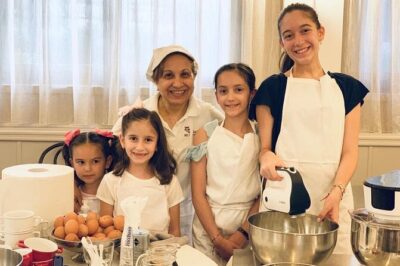
Pasta and Tiramisu Small Group Cooking Class with Wine
Read our review →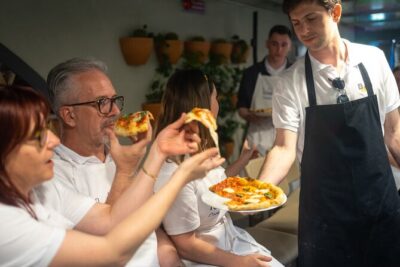
Milan Cooking Class: Authentic Pizza & Gelato Making
Read our review →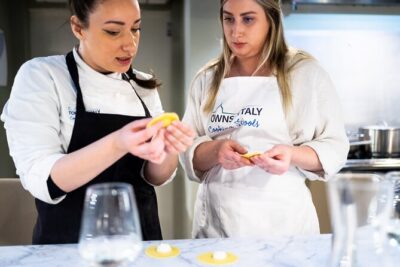
Milan Culinary Experience: Pasta & Gelato or Tiramisù Class
Read our review →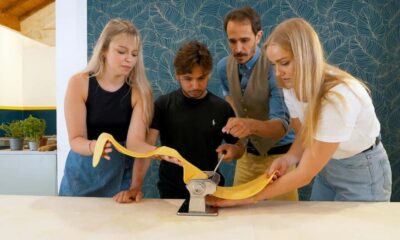
Small Group Cozy Cooking Class in a Typical Milanese Home.
Read our review →Browse the lists this tour appears in