
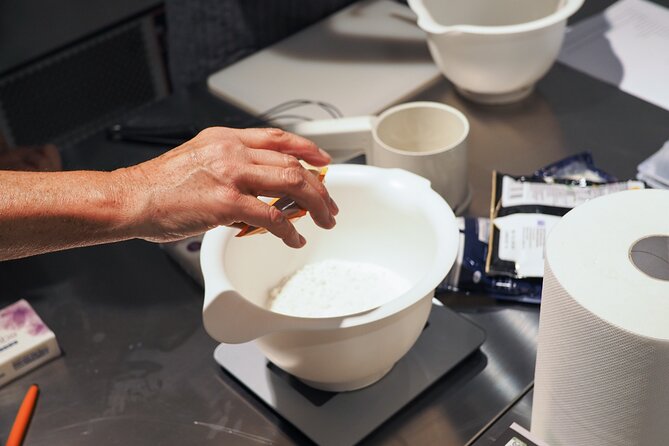
Reviewed · MILAN COOKING CLASSES
Learn to Cook Italian Recipes with an Italian Chef
Milan’s best cooking lesson may be the one that keeps the menu secret. Instead of repeating the same fixed recipes, Chef Ilaria chooses three traditional dishes for the class, then walks you through the how, when, and why of each step. You might make chickpea balls, gnocchi, and biscotti, or eggplant parmigiana, ravioli, and tiramisu.
I like the hands-on format, since you do more than watch a chef perform. I also like the useful finish: you sit down to eat what the group prepared, then receive the recipes to try again at home. The main thing to keep in mind is that the menu is not yours to choose, and wine is shared rather than unlimited.
Key points to know before booking
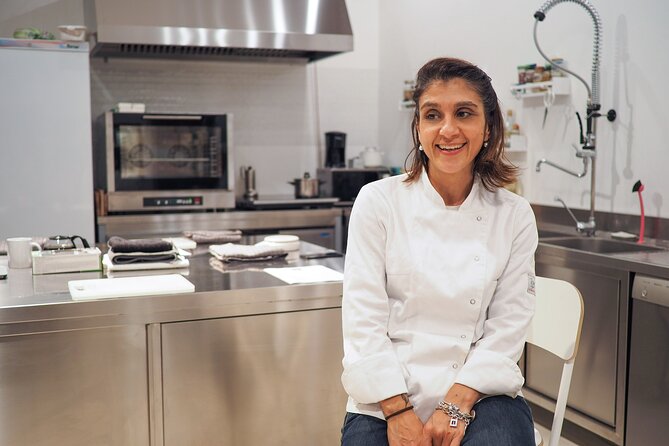
- The menu is a surprise: Expect one starter, one pasta or dumpling course, and one dessert, but not a fixed set of dishes.
- Chef Ilaria leads many sessions: Alessandro and Dalia have also taught some classes, so the exact instructor may vary.
- You cook from scratch: Pasta, gnocchi, focaccia, bruschetta, sauces, and desserts may all be made by hand.
- The meal is part of the lesson: After cooking, you eat the three courses together with Italian wine.
- Classes can be social: The maximum is 20 people, though some sessions have been much smaller, including groups of eight.
- Pack light: The class is at street level, but luggage is not allowed and there is no storage.
A cooking class built around surprise
This three-hour Milan experience is less about ticking off a famous recipe and more about learning a working method. You arrive at Chef and the City’s kitchen at Via Laura Ciceri Visconti 4, where the red Chef and the City signs mark the entrance. Ring the bell, step inside, and expect a practical kitchen lesson rather than a polished restaurant show.
The surprise menu is the defining feature. The examples include bruschetta, focaccia, parmigiana, or another Italian appetizer. The middle course may be fresh tagliatelle, ravioli, gnocchi, or handmade dumplings. Dessert could be tiramisu, Tuscan cantucci, Milanese pan meino, chocolate tortini, or another traditional sweet.
That approach has a real advantage. Italian cooking changes from region to region, and even a familiar dish can teach you something about texture, timing, and balance. You are not simply memorizing one recipe. You are learning how dough should feel, when a sauce is ready, and why one ingredient goes into the pan before another.
The tradeoff is simple: do not book this class expecting to make a particular dish. If your heart is set on ravioli or tiramisu, you may or may not get it. The activity clearly treats the sample dishes as possibilities, not promises.
More cooking classes in Milan:
- The Secrets to Learn Fresh Pasta and Tiramisù in a Glam Home
★ 5.0 · 1,182 reviews - Milan: Pasta and Tiramisu Cooking Class with Wine
★ 4.8 · 1,106 reviews - Gnocchi, Pasta, Tiramisù and Wine Class
★ 5.0 · 691 reviews
What happens during the three hours
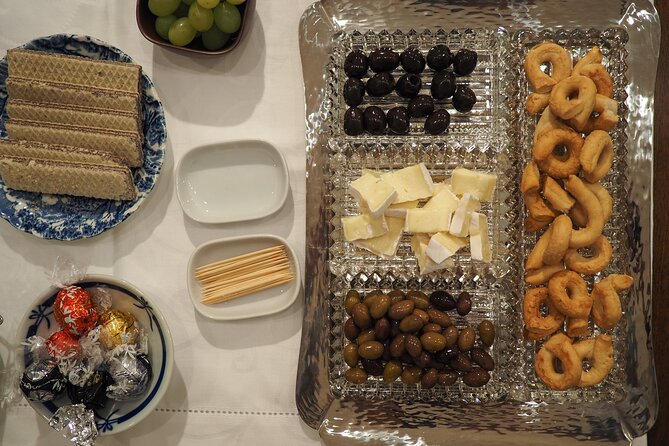
The class begins with Italian-style welcome snacks and drinks. Coffee, tea, bottled water, and natural or sparkling water are included, giving you time to settle in and meet the other people at your work table.
The cooking then moves through three courses. You work on the starter first, followed by the pasta or dumpling course, and finish with dessert. The order makes sense: some items need resting, baking, or cooling time, and the chef can use those pauses to explain the next task.
You should expect to work with the group rather than produce a separate private meal for yourself. That can mean shared preparation and a common table at the end. One person might shape pasta while another prepares the filling or sauce, so everyone gets involved but not necessarily in every single task.
Chef Ilaria’s teaching style comes across as energetic, warm, and direct. She explains ingredients, family cooking traditions, kitchen cleanliness, and the small techniques that can make simple food taste better. Several classes have included beginners, teenagers, and people with very different levels of cooking experience.
The lesson is conducted in English. Ilaria has been praised for moving comfortably between Italian and English, which helps when a cooking term needs a quick explanation or a demonstration. Alessandro has also led a session and was described as friendly and well informed about the food. The exact experience may depend on which chef teaches your class.
The starter: simple food, useful technique
The first course is where you may learn the most about Italian restraint. A starter such as bruschetta can look easy, but good results depend on details: how the bread is toasted, how the topping is seasoned, and how long the ingredients sit before serving.
Other possible starters include focaccia, eggplant parmigiana, or chickpea-based dishes. One reported menu paired a chickpea appetizer with potato-stuffed ravioli and biscotti. Another included eggplant parmigiana, gnocchi, and cantucci.
These are not necessarily restaurant-style showpieces. That is part of the value. You get recipes that can fit an ordinary home kitchen and ingredients that do not require advanced equipment. The chef focuses on what each ingredient does and how the parts work together, rather than only giving you a list of measurements.
One caution: the seasoning may be conservative for some palates. A few people have found certain dishes bland, while another suggested using fewer chili flakes. If you prefer bold heat or heavy seasoning, pay attention during the tasting stage and ask the chef how you can adjust the dish without throwing off its balance.
Making fresh pasta or dumplings by hand
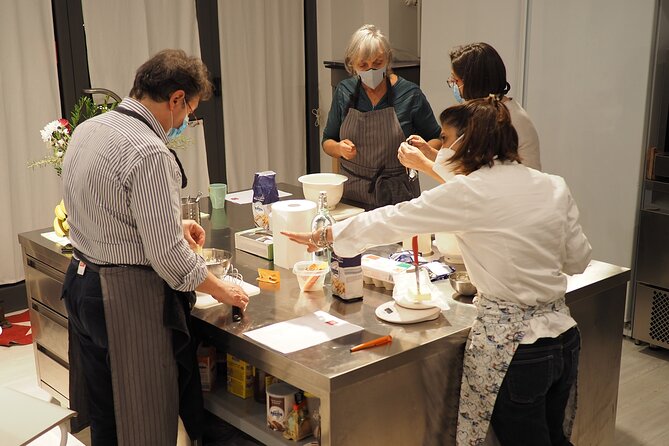
The middle course is likely to be the highlight for anyone who wants a genuine cooking task. Depending on the day, you may roll and cut tagliatelle, shape gnocchi, fill ravioli, or prepare another type of handmade pasta or dumpling.
Pasta making gives the class a clear physical rhythm. You mix, knead, roll, shape, fill, or cut. The chef can correct your technique as you work, which is more useful than watching a quick demonstration and trying to remember it later.
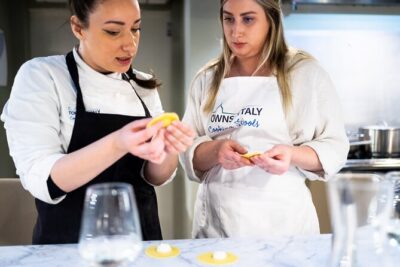
Gnocchi is especially approachable for beginners, though the texture depends on gentle handling. Ravioli adds the fun of filling and sealing individual pieces. Tagliatelle shows you how a sheet of dough becomes a familiar pasta shape. The class may also prepare a sauce to match the pasta, so you learn how the dish comes together rather than treating the noodles as a separate project.
I like this part because the lesson teaches judgment. You learn to notice whether dough is too wet, whether a dumpling is too heavy, or whether a pasta shape needs more flour. Those are the skills that help you repeat the recipe at home.
The class does not promise that each person will make a separate plate from start to finish. Since the group cooks together, some jobs are shared. If you need individual attention, speak up and ask for a turn at the key stages.
A different sort of day out of Milan entirely:
- Milan: Cathedral and Duomo’s Terraces Entrance Ticket
★ 4.6 · 61,054 reviews - Milan: City Sightseeing Hop-On Hop-Off Bus with Audio Guide
★ 4.0 · 6,256 reviews - Milan Cathedral: Duomo Terraces Ticket (No Church Access)
★ 4.6 · 6,111 reviews - Milan: Milan Cathedral Direct Entrance – Terrace Excluded
★ 4.5 · 5,782 reviews
Dessert with a Milanese or Italian touch
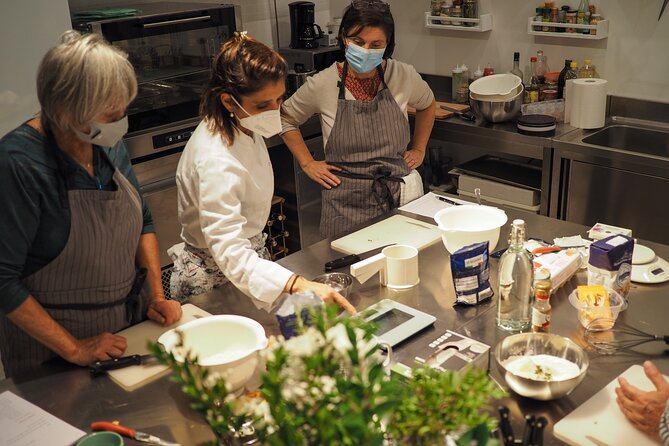
Dessert rounds out the lesson and gives the class a more complete sense of Italian home cooking. Tiramisu is one possible choice, but the chef may instead prepare cantucci, pan meino, chocolate tortini, or another traditional sweet.
Pan meino is a particularly interesting possibility in Milan. It is a local-style sweet that you are less likely to encounter in a standard Italian cooking class focused only on the country’s best-known dishes. Cantucci, with their firm texture and suitability for serving alongside coffee, offer a different lesson in baking and timing.
The dessert course also gives you a welcome break from pasta work. You may be mixing, shaping, or assembling rather than kneading and rolling. By the end, the class has covered savory preparation, fresh dough, sauce, and a sweet finish.
If tiramisu is the main reason you are booking, remember that it is only one possible dessert. The same rule applies to every dish in the sample menu.
Sitting down to eat what you made
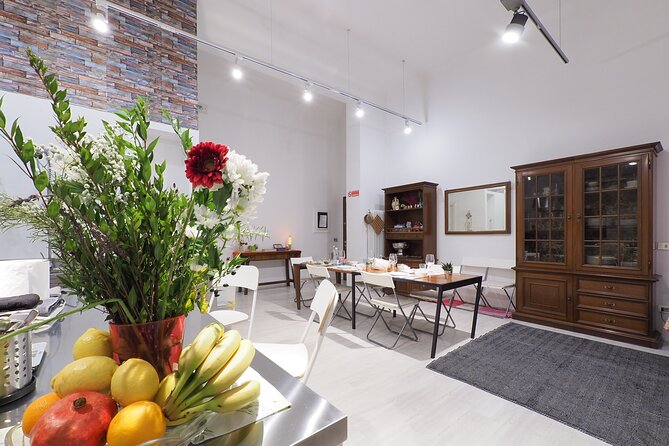
After the cooking, everyone sits down for the meal. The food is served as a three-course dinner or lunch, depending on the time of day, and the experience includes Italian wine, coffee or tea, and bottled water.
This shared meal is more than a convenient ending. It lets you taste the result while the techniques are still fresh in your mind. You can compare notes with the other people at the table, ask a final question, and see how the separate jobs became one meal.
The social side is part of the appeal. Groups may include people from several countries, and the shared work gives you an easy way to talk. Families have used the class as a way to keep teenagers involved, while couples and small groups have enjoyed the relaxed meal afterward.
Wine expectations need a clear explanation. Wine is included with the dinner, but the provider describes it as shared, with roughly one bottle for every three people. Additional wine may cost extra. This is a cooking class with a meal and wine, not an unlimited wine tasting.
Group size, teaching style, and comfort
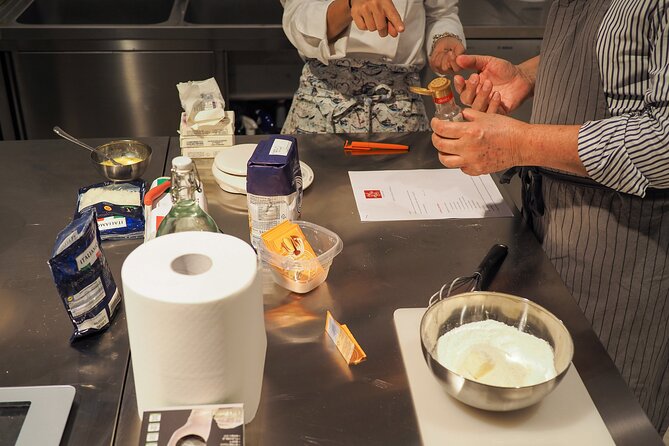
The maximum group size is 20, but the actual class can be smaller. One session had eight participants and felt especially intimate. Another class involved a large group, yet the chef was still able to keep people involved.
A larger class can make the atmosphere more social, but you may have less individual time with the chef. A small class gives you more room to ask questions and handle the important steps yourself. Because the menu changes, the number of people and the chef on duty can affect the pace.
The instruction is usually warm and energetic, but it is still a working class. When Chef Ilaria is explaining a technique, the group is expected to listen. That may feel strict if you prefer to chat throughout the cooking, but it helps everyone hear the directions and work at the same pace.
The kitchen is on the street level, which is convenient. There are three windows with red Chef and the City signs, and you should ring the front door bell. Public transportation is nearby. Animals are not allowed, smoking is prohibited, and you cannot bring luggage into the kitchen.
What the $82.27 price includes
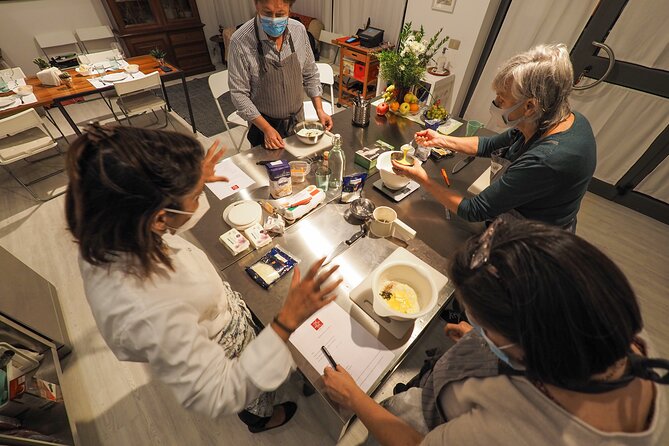
At $82.27 per person, the price is fair if you value both instruction and a full meal. You are paying for about three hours of teaching, ingredients, an apron, cooking tools, snacks, drinks, wine with dinner, and the recipes to take home.
A restaurant meal alone might offer more polished presentation, but it will not teach you how to make the pasta or dessert. A short demonstration might cost less, but you would not get the same hands-on practice or the meal at the end.
The value is strongest for visitors who want a useful Milan activity rather than another sightseeing stop. You leave with recipes and techniques you can repeat, not just photographs and a full stomach.
That said, the price does not cover private transport or luggage storage. Plan your route before class and do not arrive with suitcases. The meeting point is near public transportation, so you can make your own way there, but the activity does not include a transfer.
Who will enjoy this class most
I would recommend this experience to:
- Beginners who want patient instruction and a practical introduction to Italian food.
- Confident home cooks who enjoy learning regional dishes and flexible techniques.
- Families with older children or teenagers who can take part in shared kitchen tasks.
- Couples and solo visitors who want a social meal with a useful activity attached.
- Anyone with limited time in Milan who wants lunch or dinner to be part of the experience.
It may be less suitable if you need a fixed menu, private instruction, unlimited wine, or a highly technical class aimed at advanced cooks. It may also disappoint a food obsessive who expects intense seasoning or restaurant-level refinement in every dish.
Dietary needs should be raised before booking. A gluten-free request has been accommodated in at least one class, but the supplied information does not promise that every allergy or dietary restriction can be handled. Ask before you rely on the class for a particular diet.
Booking timing and cancellation
This activity is often booked about 25 days ahead, so reserving early is sensible if your Milan dates are fixed. Confirmation arrives at booking, and the class is offered in English on a mobile ticket.
You can cancel for a full refund up to 24 hours before the local start time. Changes or cancellations inside that 24-hour window are not accepted for a refund. The class also needs a minimum number of participants, so if the provider cancels for that reason, you are offered another date or experience, or a full refund.
Should you book Chef and the City?
Book it if you want to cook, eat, and learn in one compact Milan activity. The surprise menu keeps the class fresh, the recipes are practical, and the meal gives the lesson a satisfying finish. Chef Ilaria has a lively teaching style, while Alessandro and Dalia have also led well-received sessions.
Skip it if choosing your menu matters more than learning technique. Also skip it if your priority is free-flowing wine or a quiet, private class. For most people seeking an approachable Italian cooking lesson at a reasonable price, this is a strong choice, especially when you arrive ready to work as part of a group.
FAQ
Where does the cooking class meet?
The class meets at Via Laura Ciceri Visconti 4, 20137 Milano, Italy. The laboratory is at street level, with three windows showing the red Chef and the City sign. Ring the front door bell when you arrive.
How long does the experience last?
The cooking class lasts approximately three hours, including welcome snacks, the cooking lesson, and the meal afterward.
What dishes will I make?
The menu is not fixed. You will prepare a starter, a first course such as fresh pasta or handmade dumplings, and a dessert. Possible dishes include bruschetta, focaccia, parmigiana, gnocchi, tagliatelle, ravioli, tiramisu, cantucci, pan meino, and chocolate tortini.
Is the class taught in English?
Yes. The experience is offered in English. Chef Ilaria has led sessions in both Italian and English, and other chefs including Alessandro and Dalia have also taught classes.
Is food and drink included?
Yes. The package includes the meal you prepare, welcome snacks, Italian wine, coffee or tea, and natural or sparkling bottled water. Wine is shared rather than unlimited, and extra wine may cost more.
Are cooking tools and an apron provided?
Yes. Each participant receives an apron, and the cooking tools needed for the class are included.
Can I bring luggage or an animal?
No. Luggage is forbidden and there is no luggage storage. Animals are not allowed, and smoking is prohibited.
Can I cancel for a full refund?
Yes, if you cancel at least 24 hours before the experience’s start time. Cancellations or changes made less than 24 hours before the start are not refunded or accepted.
Just added around Milan
- Visit of Verona and Lake Garda. Full day tour from Milan★ 4.6 · 5 reviews
- From Milan: Villa del Balbianello and Varenna by Train★ 4.2 · 27 reviews
- Explore History and Style with this Walking Tour in Milano★ 5.0 · 15 reviews
- Trekking in the Wood with picnic on the turtles lake★ 5.0 · 9 reviews
- Hot air balloon flight Milan Monday-Friday★ 5.0 · 18 reviews
- Trekking in the Wood with picnic on the turtles lake★ 5.0 · 8 reviews
- LINATE – MILANO airport transfer★ 4.5 · 14 reviews
- Sky-High Delights: Duomo Tour with Rooftop Adventure!★ 4.0 · 6 reviews
Milan Cooking Classes, compared.
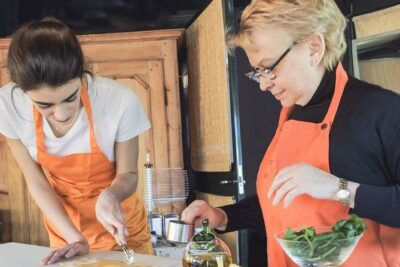
The Secrets to Learn Fresh Pasta and Tiramisù in a Glam Home
Read our review →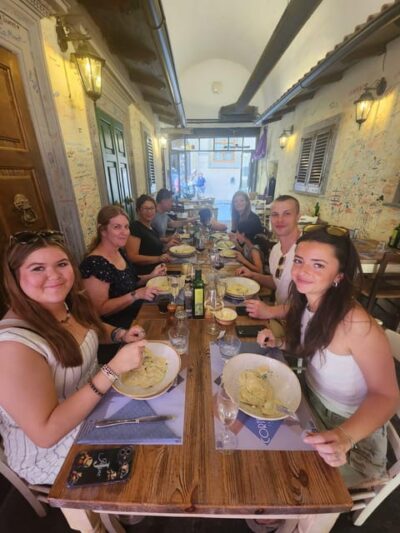
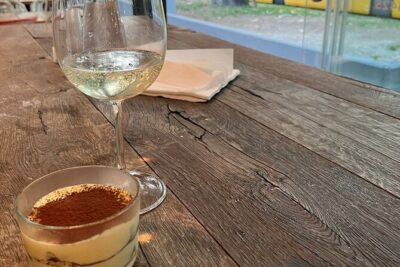
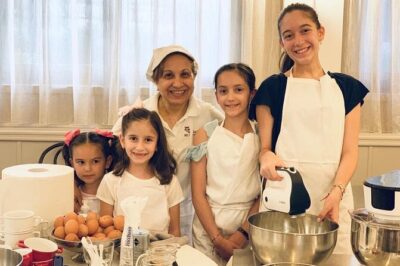
Pasta and Tiramisu Small Group Cooking Class with Wine
Read our review →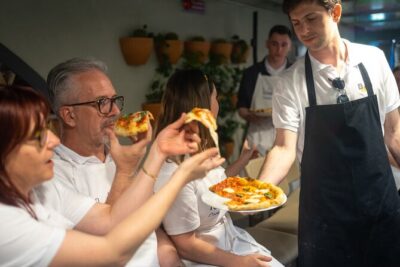
Milan Cooking Class: Authentic Pizza & Gelato Making
Read our review →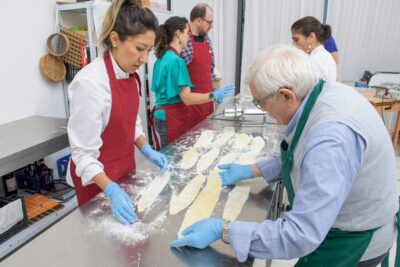
Milan Culinary Experience: Pasta & Gelato or Tiramisù Class
Read our review →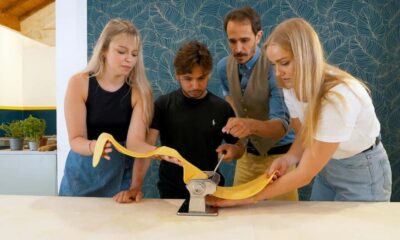
Browse the lists this tour appears in