
Reviewed · MILAN HIGHLIGHTS CITY TOURS
Milan: 2.5-Hour City Tour by Tram
Milan’s old trams give you a slower, more revealing look at the city than a standard bus tour. In 2.5 hours, you ride historic Tram No. 1 and Tram No. 3 through the center, then walk among Sforza Castle, the Duomo, Galleria Vittorio Emanuele, and La Scala.
I like the mix of local transport and walking, which lets you see Milan at street level without spending the whole tour on foot. I also like the guide-led storytelling at Sforza Castle and the chance to cross Brera before reaching the city’s grandest sights. The main consideration is time: this is an overview, not a deep visit inside every monument, and parts of the route require comfortable walking.
Key points at a glance
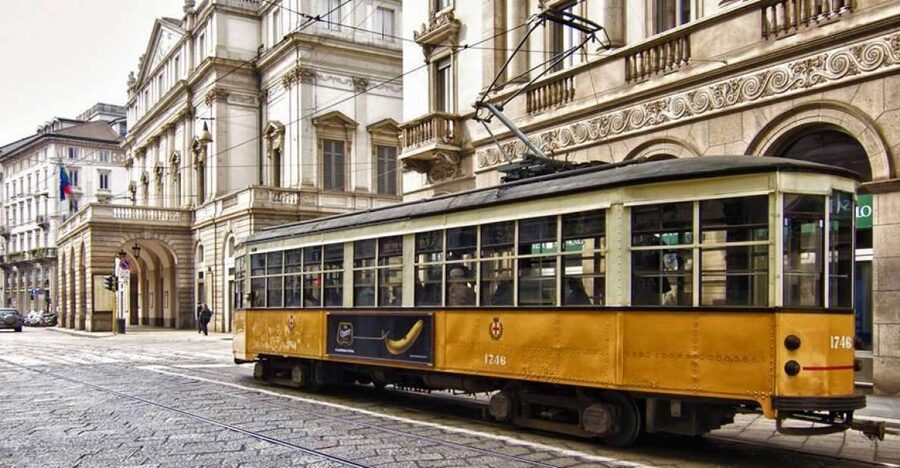
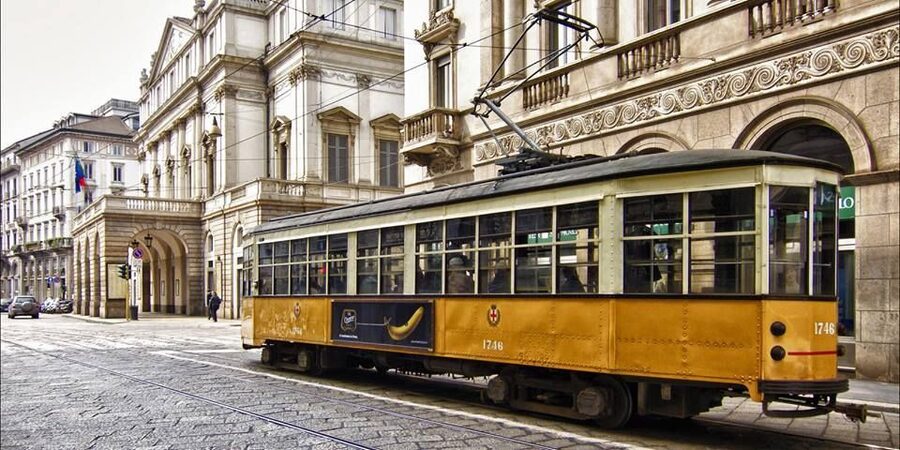
- Historic Tram No. 1: Ride a 1930s streetcar through Milan’s central streets.
- Sforza Castle and Parco Sempione: Hear about the Dukes of Milan beside one of Europe’s largest citadels.
- Napoleon’s Arch of Peace: See the monumental arch from the edge of Sempione Park.
- Brera to the Duomo: Move from an old artistic quarter to Milan’s grand cathedral and covered Galleria.
- La Scala and central Milan: Visit the opera house area and the financial heart of the city.
- English-speaking guides: Martino has been praised for clear explanations, lively stories, and a fun city overview.
Why Milan works so well from a tram window
Milan is easy to underestimate. The Duomo gets the postcards, but the city makes more sense when you connect its grand monuments with its ordinary streets. This tour does that by using the city’s historic tram network as part of the experience, not just as a way to get from one stop to another.
You begin at Piazza Cadorna, under the famous Needle-and-Thread sculpture. The meeting point is practical and easy to identify, but give yourself enough time to find the correct side of the square and your guide. From here, the tour starts with a short walk toward Sforza Castle.
The tram ride matters because it changes your pace. You are not rushing from sight to sight on a tightly packed walking route. You watch Milan pass by, with its commercial streets, old buildings, and busy central districts framed by the windows of a historic streetcar.
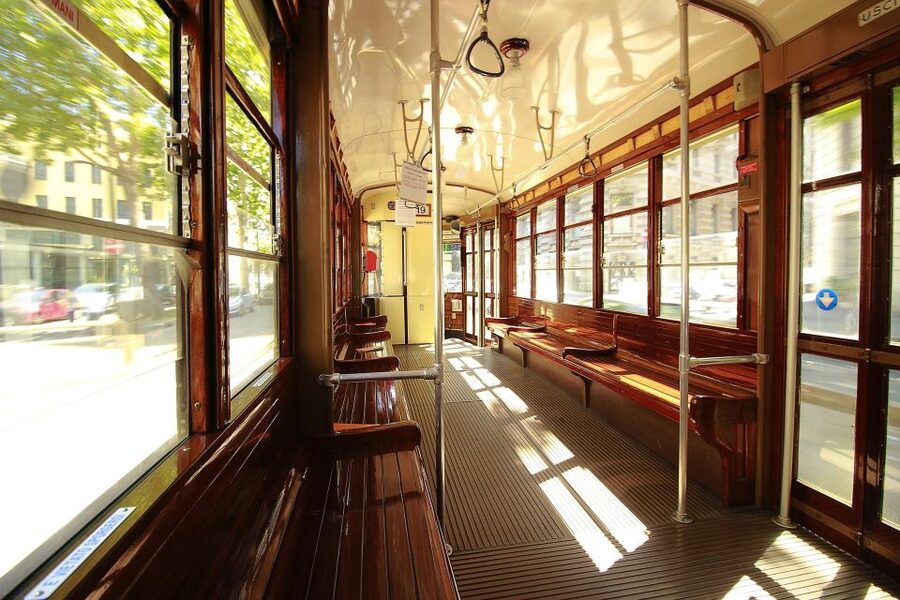
The ride is not a luxury transport experience. Historic trams can be less smooth and less spacious than modern vehicles, and you should expect the normal movement and noise of a working city tram. That is part of the appeal, but it also means the experience suits you best if you enjoy atmosphere more than polished comfort.
More Milan highlights tours:
- Milan: City Sightseeing Hop-On Hop-Off Bus with Audio Guide
★ 4.0 · 6,256 reviews - Best of Milan Experience Including Da Vinci’s The Last Supper and Milan Duomo
★ 4.5 · 1,516 reviews - Transfer Milan City Centre – Bergamo Airport
★ 4.5 · 975 reviews
Sforza Castle and the Dukes of Milan
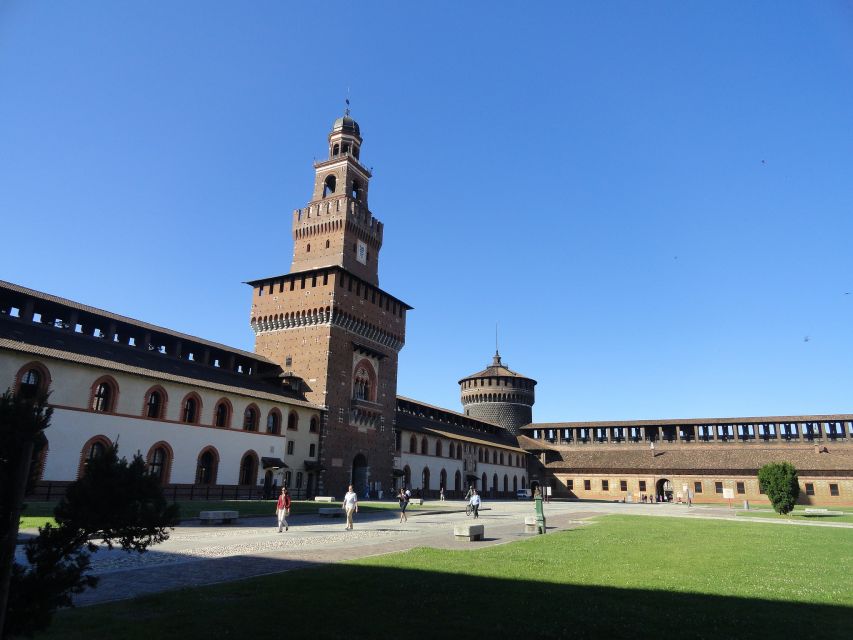
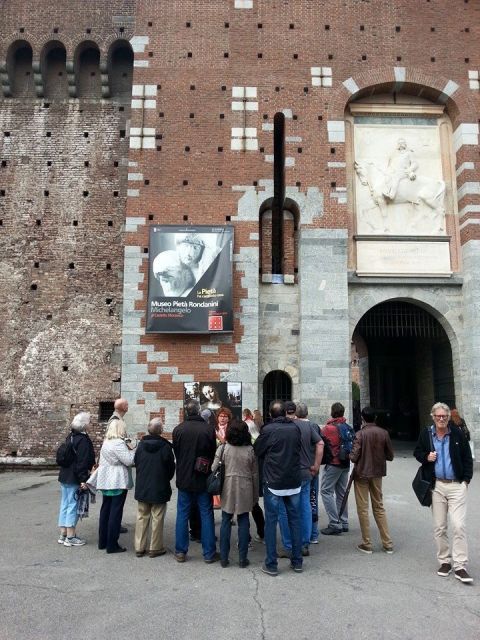
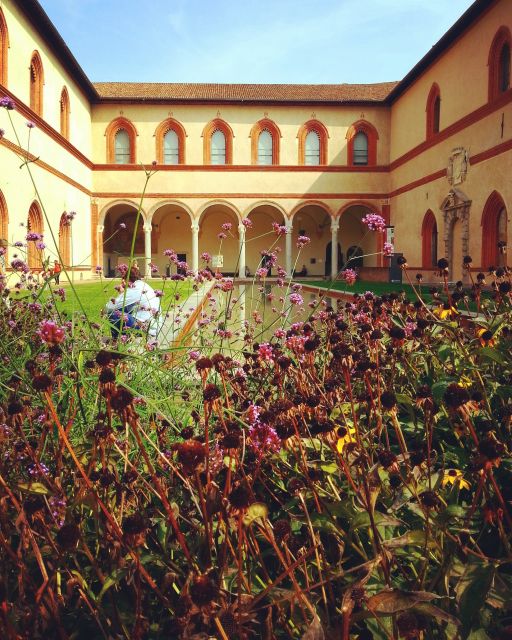
Sforza Castle is the first major historical stop, and it gives the tour a strong beginning. The castle was the residence of Milan’s ruling dukes and grew into one of Europe’s largest citadels. Its walls and courtyards help explain Milan as a seat of power, not simply a modern shopping and design center.
Your guide provides the historical background as you walk around the castle area. That makes the stop more useful than a quick photo break. You get a sense of why the fortress mattered and how the dukes shaped the city around it.
The tour does not promise a full museum visit inside the castle, so set your expectations accordingly. If you want to see its art collections or spend time in the interior rooms, plan a separate visit. This tour is better for placing the castle into Milan’s wider story and seeing it as part of the city’s central public spaces.
The nearby Parco Sempione adds breathing room. At the far end of the park, you can look toward the Arch of Peace, a large commemorative monument commissioned by Napoleon and designed by Luigi Cagnola. The arch gives you one of the tour’s clearest wide views and connects Milan’s ducal past with its Napoleonic chapter.
I especially like this section for first-time visitors. You begin with a major landmark, but not the obvious one. By the time you reach the Duomo later, you have already seen another side of Milan.
A 40-minute ride on historic Tram No. 1
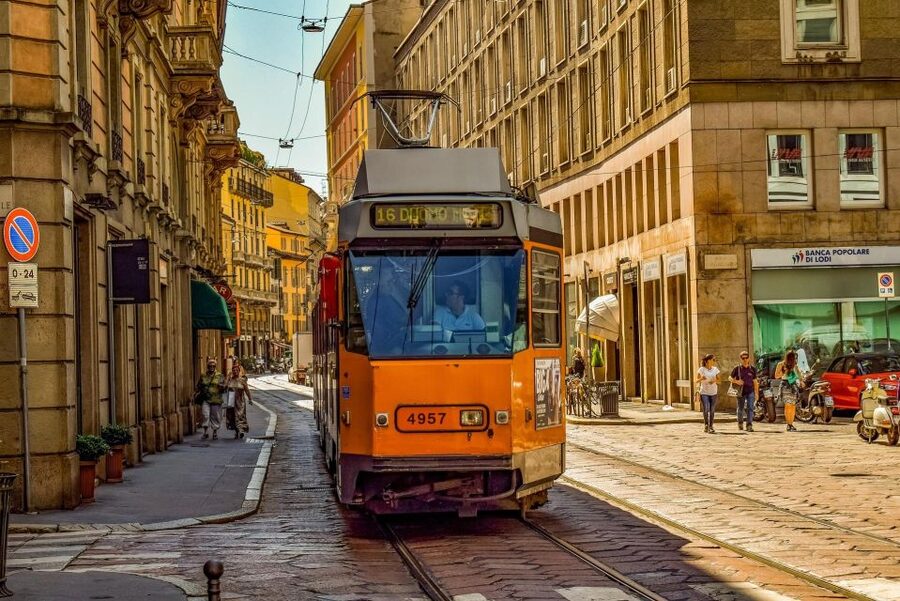
The central tram ride lasts about 40 minutes and uses Line No. 1. The old streetcars date from the 1930s, so the vehicle itself becomes part of the sightseeing. You are not simply riding public transport. You are moving through Milan in a piece of the city’s working past.
The route crosses the center and passes through the Brera district on the way toward Cordusio. The pace is deliberately slow, which gives you a chance to take in the streets without the constant stop-and-go of a walking group.
Bring your camera, but do not expect every view to be perfectly framed. Milan’s central streets can be crowded, and a tram window gives you passing glimpses rather than long viewing stops. That is why the live guide is important. Good commentary helps turn a passing building or district into a useful part of the city story.
The tram also reduces the strain of a fully walking-based tour. You still walk at several points, but you get a substantial break while crossing town. For a 2.5-hour city introduction, that balance is smart.
Brera and the route toward Cordusio
Brera is one of the most appealing parts of the central route. The district is known as an artistic quarter, and the tour uses it as a transition between the historic tram ride and Milan’s main monuments. You see the city shift from quieter, character-filled streets toward the commercial and financial center.
Cordusio marks that change. It sits at the heart of Milan’s Financial District and connects several major routes through the center. From here, the experience becomes more focused on the city’s famous sights and shopping streets.
This section is useful because it gives you more than a checklist of monuments. You see how Milan’s different identities sit close together: old neighborhoods, financial offices, high-end shops, historic churches, and grand civic spaces. You might not have time to explore Brera independently during the tour, but you will know where to return for a longer walk.
If shopping matters to you, listen carefully to the guide’s orientation here. The route crosses Milan’s longest shopping street, giving you a sense of where the main retail areas begin and how they connect with the historic center.
A few more Milan tours and experiences worth a look
- Milan: The Milan Pass City Card
★ 4.0 · 655 reviews - From Milan: Day Trip to Venice with Guided City Tour
★ 4.4 · 614 reviews - Milan: Guided Duomo, Last Supper and City Centre Tour
★ 4.5 · 452 reviews - Venice Day Trip from Milan with Guided City Tour
★ 4.0 · 383 reviews
The Duomo, Galleria, and La Scala
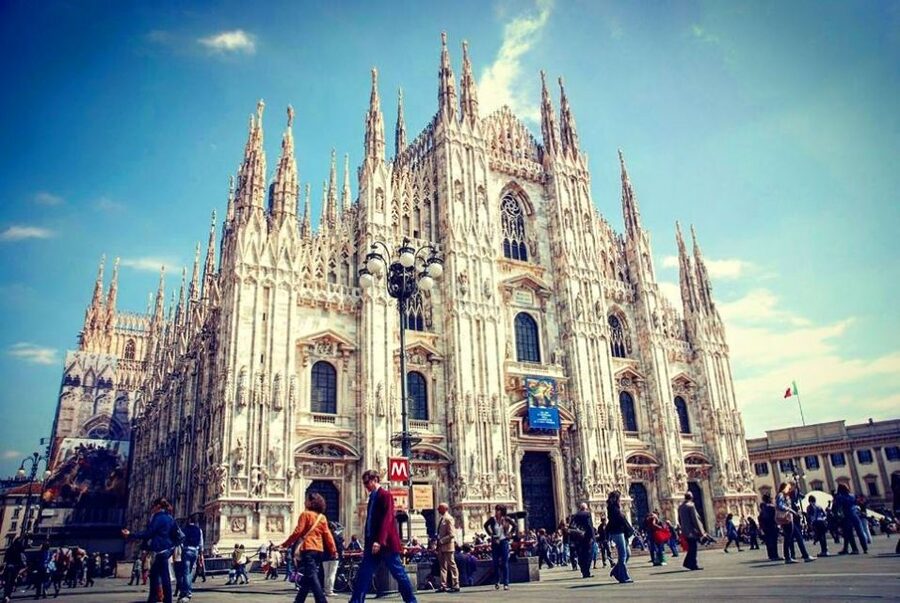
After the tram portion, you take a walking tour through the city center. The Duomo is the visual high point. Its scale and detailed exterior are difficult to grasp from a quick passing view, so the guided stop gives you time to look and understand what you are seeing.
The tour includes the cathedral area but does not list entry inside the Duomo or access to the rooftop terraces. If those are on your Milan wish list, arrange them separately. The guided explanation here is best treated as an introduction, especially if this is your first visit.
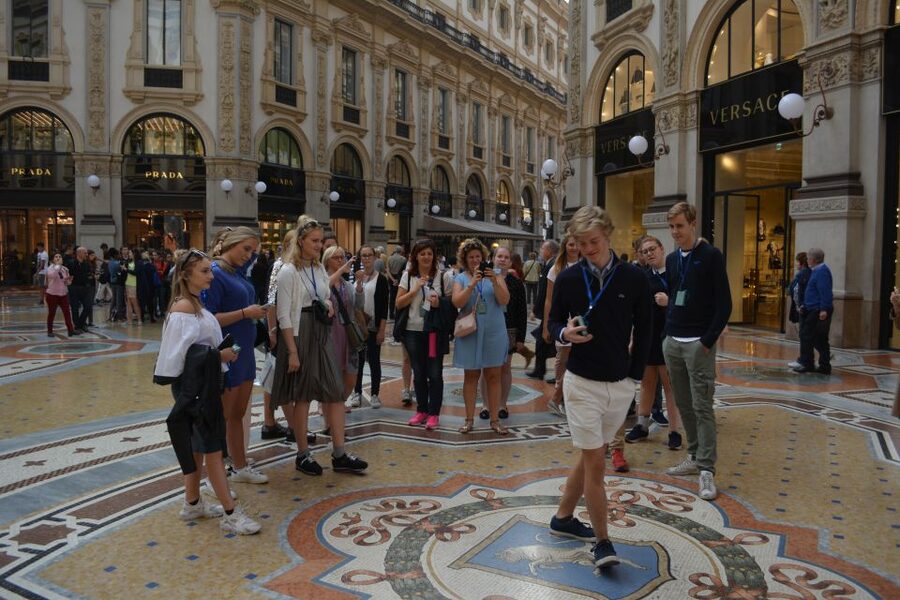
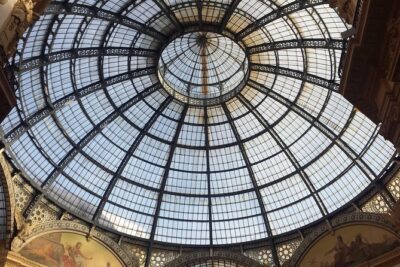
Next comes Galleria Vittorio Emanuele, the covered shopping arcade beside the cathedral. Its glass roof and grand interior make it one of Milan’s most recognizable public spaces. The Galleria also helps explain the city’s long link between commerce, architecture, and fashion.
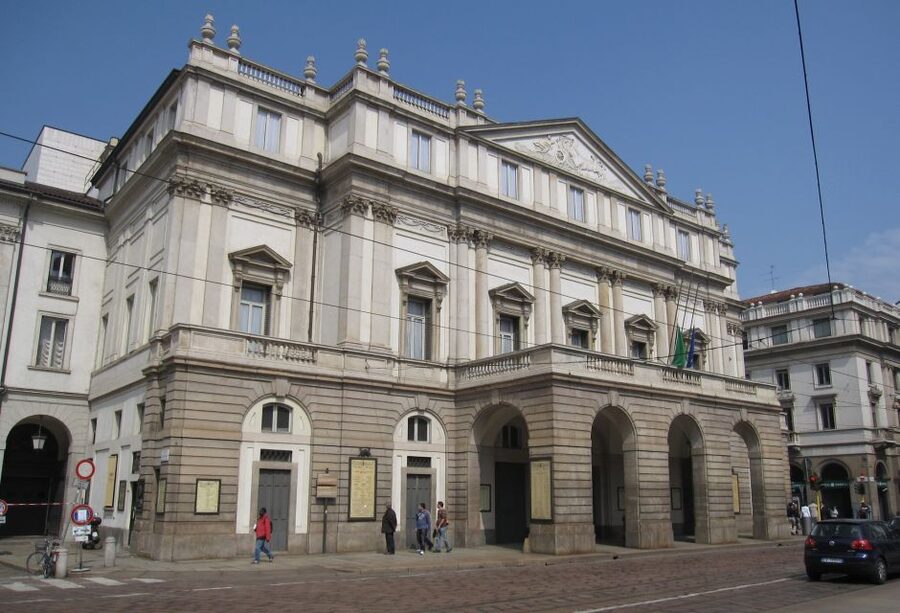
La Scala brings you to another side of Milan. The opera house is one of the city’s best-known cultural landmarks, and the tour gives you an exterior orientation and historical explanation. Again, this is not presented as a performance or full interior tour. You are learning where the opera house fits in the city center and why it matters.
This walking portion can feel busy, especially around the cathedral and Galleria. That is normal. Stay close to the guide, listen for meeting instructions, and wear shoes that can handle pavement. The tour specifically includes walking between stops, so sandals or stiff new shoes are poor choices.
Tram No. 3 and the possible Navigli finish
The route description also includes a later ride on Tram No. 3 toward the Navigli area, followed by a short walk around the canals. Navigli is known for its waterways and is a pleasant place to continue your own Milan time, shop, or stop for a drink after the guided portion.
There is an important planning detail here. The supplied tour information describes both a continuation to Navigli and an ending back at the meeting point, while the formal finish is also listed as Teatro alla Scala. Because those details do not line up perfectly, confirm the exact end point and route when you reserve. This matters if you have a dinner booking, train departure, or timed museum visit afterward.
If the tour does end near Navigli, that can be useful. You are left in an area where you can continue independently rather than being returned immediately to the starting square. If the official end is La Scala or Piazza Cadorna, you should plan your evening from that location instead.
The guide makes the difference
This tour depends heavily on the person leading it. The route includes many major sights, but the time at each one is limited. A clear guide keeps the history connected and prevents the experience from becoming a string of names and dates.
Martino has been praised for giving visitors a strong overall picture of Milan while keeping the tone relaxed and entertaining. If he is leading your departure, you can expect plenty of historical explanation and stories that help the city feel less formal. Another guide has also shown flexibility by changing the plan for a group that had already visited the canals, taking them to an impressive church instead.
That flexibility is worth noting. The basic route is set, but a good guide may adjust the emphasis when circumstances allow. You should not count on a replacement stop, but the experience is not necessarily rigid in spirit.
Groups of more than seven receive headsets. This is helpful at Sforza Castle and in the noisy center, where it can be hard to hear a guide while standing near traffic or other tour groups. Smaller groups may not need them, but staying close still matters.
The tour is offered in English. If you want detailed commentary in another language, this is not the right choice based on the supplied information.
What $164.26 means in practical value
At $164.26 per person, this is not a budget way to get around Milan. You are paying for a guided experience that combines transport, historical explanation, and orientation across several districts. The price makes the most sense if you value having the route organized and want an efficient first look at the city.
It is less compelling if you are mainly seeking tram transport or plan to visit each monument at length. You could see the Duomo, Galleria, La Scala, and Sforza Castle independently, then use Milan’s regular transport system for less money. The difference is the guide’s structure and commentary.
For a first day in Milan, the value is stronger. You get a broad view of the city without spending hours working out the tram route, walking connections, and order of sights. You also learn which places deserve a return visit.
The tour’s rating is 4.8 from 17 reviews, a small sample but a strong signal. The praise centers on the guides’ historical explanations, the amount learned, and the enjoyable overview of Milan. The most useful takeaway is that the human side of the tour matters more than any single monument.
Who should book this Milan tram tour
I would choose this experience if you are visiting Milan for the first time and want to understand the city quickly. It suits you especially well if you enjoy a mixture of public transport, short walks, famous landmarks, and historical stories.
It also works for travelers who find a full walking tour tiring. You will still walk for part of the route, but the tram provides a welcome pause and carries you across central Milan.
You may want a different plan if your priority is interior access. The tour does not include listed entry to the Duomo, Sforza Castle museums, or La Scala. It is an orientation tour, not a series of extended monument visits.
Allow room in your schedule after the tour. The route can point you toward a return visit to Brera, the Duomo terraces, the castle museums, or Navigli. Do not book a tight connection immediately afterward until you have confirmed the exact finishing point.
The meeting point is Piazza Cadorna under the Needle-and-Thread sculpture. Cancellation is free up to 24 hours before the activity, and you can reserve now and pay later, which helps if your Milan schedule is still changing.
Should you book it?
Book this tour if you want a lively introduction to Milan that uses the city itself as the classroom. The historic trams, Sforza Castle, Brera, the Duomo, La Scala, and the possible Navigli extension give you a well-rounded first look, while the guides add the context that is hard to get from a map.
Skip it if you prefer to move at your own pace, spend long periods inside museums, or keep your transport costs low. At $164.26, the value rests on the guide and the convenience of the organized route. For a first visit and a short stay, that can be money well spent.
FAQ
How long is the Milan tram tour?
The tour lasts 2.5 hours. Starting times vary, so check availability for the date you want.
Where does the tour start?
Meet your English-speaking guide in Piazza Cadorna, under the Needle-and-Thread sculpture.
Which trams are used?
The tour includes historic Tram No. 1 and Tram No. 3. The streetcars date from the 1930s.
Is the tour only by tram?
No. The experience combines tram rides with walking. You walk at Sforza Castle, through parts of central Milan, and around the main sights.
Is the Duomo entrance included?
The tour includes a guided sightseeing stop at Milan Cathedral, but entry inside the cathedral or access to the rooftop is not listed as included.
Does the tour visit La Scala?
Yes. The route includes a guided stop at Teatro alla Scala. A performance or full interior visit is not listed as part of the activity.
Are headsets provided?
Headsets are provided for groups of more than seven people.
What should I bring?
Wear comfortable shoes and bring a camera. Walking is part of the experience, so appropriate footwear is important.
Just added around Milan
- Visit of Verona and Lake Garda. Full day tour from Milan★ 4.6 · 5 reviews
- From Milan: Villa del Balbianello and Varenna by Train★ 4.2 · 27 reviews
- Explore History and Style with this Walking Tour in Milano★ 5.0 · 15 reviews
- Trekking in the Wood with picnic on the turtles lake★ 5.0 · 9 reviews
- Hot air balloon flight Milan Monday-Friday★ 5.0 · 18 reviews
- Trekking in the Wood with picnic on the turtles lake★ 5.0 · 8 reviews
- LINATE – MILANO airport transfer★ 4.5 · 14 reviews
- Lake Como trekking private guided tour, from Milan★ 5.0 · 9 reviews
Milan Highlights City Tours, compared.
Best of Milan Experience Including Da Vinci’s The Last Supper and Milan Duomo
Read our review →

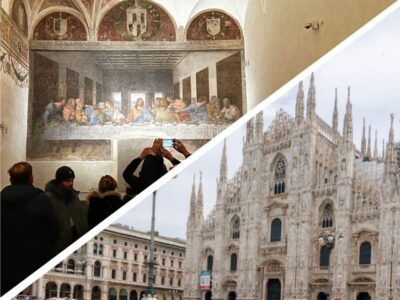
Guided Duomo, Last Supper and City Centre Tour
Read our review →
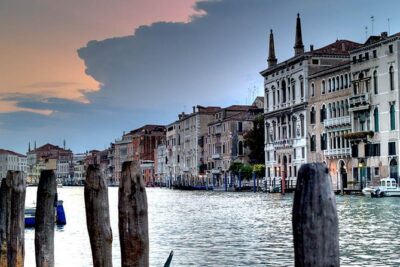
Venice Day Trip from Milan with Guided City Tour
Read our review →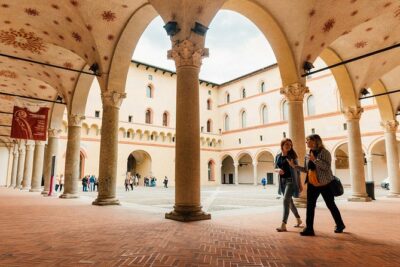
Milan Highlights and Hidden Gems Private Guided Walking Tour
Read our review →Browse the lists this tour appears in