
Reviewed · MILAN WINE TASTING TOURS
Milano: Degustazione caffè di qualità dalla moka al filtro
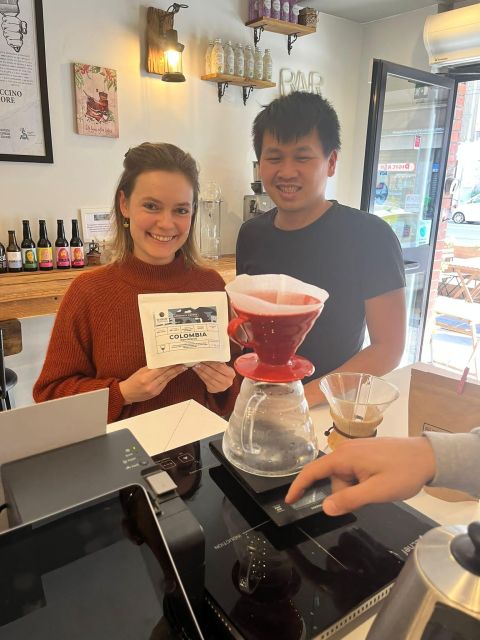
The clever part of this Milan coffee experience is that you taste the same broad idea, coffee, through three very different brewing methods. Moka, V60, and Chemex each bring out different aromas and textures, so this is less about gulping down an espresso and more about learning why coffee can taste fruity, floral, sweet, or clean.
I like two things here. First, the group is limited to six, which gives Ivone and Federico room to explain the details without turning the session into a lecture. Second, you get practical advice you can use at home, not just a tasting to remember for one afternoon. The possible drawback is simple: if you only enjoy milk-based coffee, some of the black coffee may taste sharper or lighter than you expect.
Key points at a glance
- Three single origins: Taste coffees from African, South American, and Asian producers, depending on seasonal supply.
- Three brewing methods: Compare the Italian moka with the V60 and Chemex.
- Small-group setting: Six participants maximum makes questions and conversation easier.
- Useful home advice: Learn how preparation changes aroma, strength, and balance.
- Dessert included: Choose sweets or biscuits, with vegan and gluten-free options available.
- Good booking flexibility: The two-hour session costs $35 per person, with free cancellation up to 24 hours before the start.
Why this tasting is different from a standard Milan coffee stop
A normal Italian coffee stop is quick and familiar. You order an espresso, cappuccino, or caffè macchiato, drink it at the bar, and move on. That ritual is part of the pleasure, but it can also hide the coffee itself. Milk, sugar, speed, and habit do much of the work.
Il Cafetero takes the opposite approach. You slow down and pay attention to the bean, the origin, and the way water moves through the grounds. The aim is not to tell you that one method is best. It is to show you how each method changes the cup.
That makes the session useful even if you are not a serious coffee hobbyist. One participant arrived mainly because a partner loved coffee, having mostly ordered lattes and cappuccinos before. By the end, the experience had changed how that person thought about drinking coffee on its own. You may have a similar surprise if you normally rely on milk or sugar.
The setting also matters. With no more than six people, you are likely to have a more personal exchange with the hosts than at a large food tour. Ivone and Federico explain the processes in detail but keep the tone friendly and relaxed. The session is designed for questions, comparison, and tasting rather than showing off technical terms.
More wine tastings around Milan:
- Milan: Pasta and Tiramisu Cooking Class with Wine
★ 4.8 · 1,106 reviews - Gnocchi, Pasta, Tiramisù and Wine Class
★ 5.0 · 691 reviews - Small-Group Barolo Wine Tasting, Alba & UNESCO Piedmont Hills
★ 5.0 · 689 reviews
Three single origins, chosen by the season
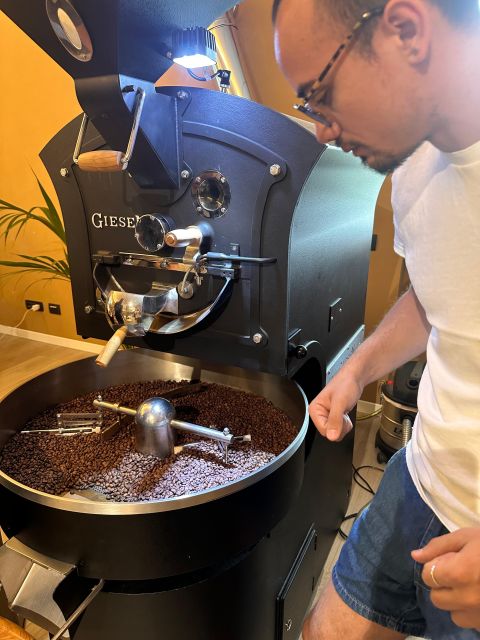
The tasting uses three coffees from single plantations or individual producers. The intended spread covers Africa, South America, and Asia, though the exact coffees depend on the season and what is available.
That seasonal approach means the selection is not fixed. You cannot book expecting one named Ethiopian, Colombian, or Indonesian coffee every time. The trade-off is that the beans reflect current supply instead of being locked into a permanent menu.
Each origin may bring a different set of aromas and flavors, but the important point is the comparison. You are not simply sampling three unrelated drinks. The session gives you a chance to notice how coffee changes because of both its source and its preparation.
Water is provided between coffees. That small detail is more useful than it sounds. It helps clear your palate before the next cup, especially when you are tasting lighter and more aromatic coffees. Take your time with it, and try each coffee before adding anything.
Starting with the moka, Italy’s familiar brewer
The moka is the natural first step for a coffee experience in Milan. It is a symbol of Italian home brewing, found in countless kitchens and often passed from one generation to the next. Many people already own one, but fewer have considered how its design and technique affect the finished cup.
Here you learn how the moka has changed over time and how to use it in a way that brings out the coffee’s natural and aromatic qualities. That makes the lesson practical. You are not only seeing a traditional pot used by someone else. You are gaining ideas for the brewer you may already have at home.
The moka produces a concentrated coffee that can feel fuller and heavier than a filter brew. It is not the same as espresso, though people often compare the two. The tasting helps you understand that distinction through the cup rather than through a long explanation.
Pay attention to the way the coffee feels as well as how it smells. The moka can give you a familiar Italian profile, but the single-origin beans may reveal flavors you do not expect from this old-fashioned method. That contrast is one of the session’s strongest moments.
The V60 shows what filter coffee can be
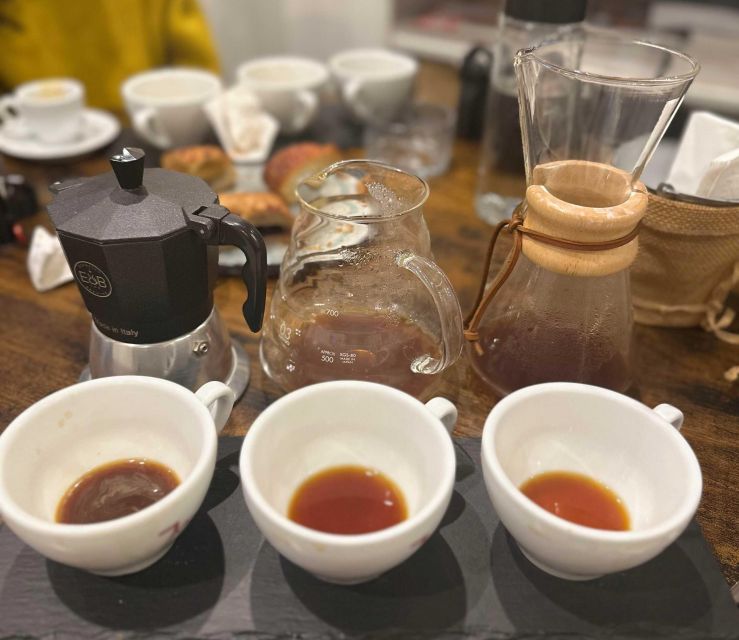
The V60 is a cone-shaped brewer used by baristas and increasingly seen in Italian coffee shops. Its name may sound technical, but the basic idea is straightforward: hot water passes through ground coffee and a paper filter into the cup below.
The useful lesson here is the difference between American coffee and properly prepared filter coffee. The two are often treated as the same thing, but they do not have to taste alike. Brewing time, water flow, grind, and proportion all affect the result.
The V60 often gives a clearer cup than the moka. That can make delicate aromas easier to notice, but it also means flaws are harder to hide. If the coffee is prepared well, you may pick up a cleaner finish and more distinct notes. If you prefer a thick, intense cup, this method may feel less satisfying.
This is where the home advice matters most. A V60 rewards attention, but you do not need to become a professional barista to use one. The hosts explain the basic preparation techniques and offer tips for putting them into practice at home.
A different sort of day out of Milan entirely:
- Milan: Cathedral and Duomo’s Terraces Entrance Ticket
★ 4.6 · 61,054 reviews - Milan: City Sightseeing Hop-On Hop-Off Bus with Audio Guide
★ 4.0 · 6,256 reviews - Milan Cathedral: Duomo Terraces Ticket (No Church Access)
★ 4.6 · 6,111 reviews - Milan: Milan Cathedral Direct Entrance – Terrace Excluded
★ 4.5 · 5,782 reviews
Chemex brings out a more aromatic side
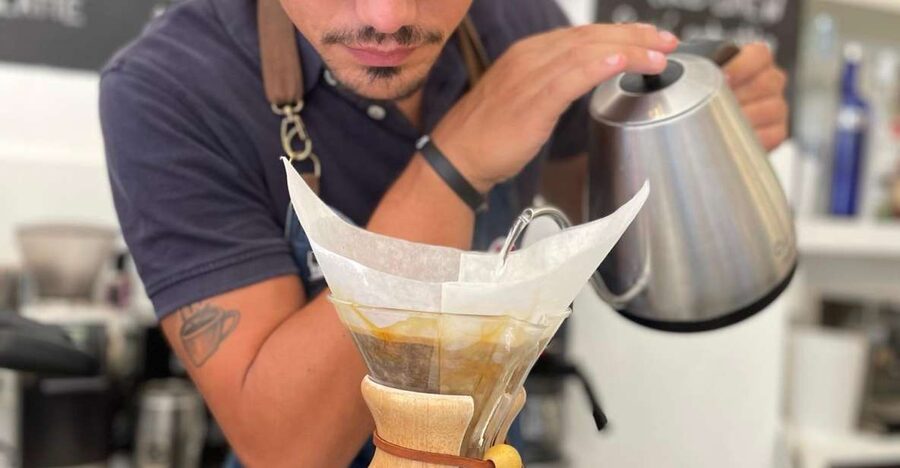
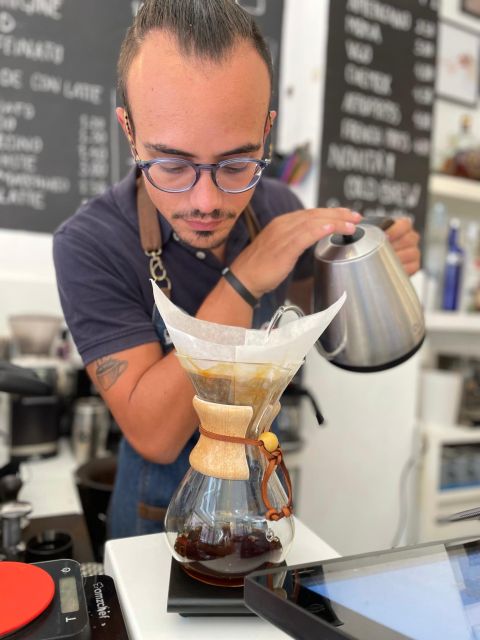
The Chemex is instantly recognizable by its glass design and wooden collar. It looks like a piece of modern kitchen equipment, yet it uses a straightforward filter process. The thick paper filter gives the coffee a clean character and helps emphasize aroma.
Of the three methods, the Chemex is presented as the most aromatic. That does not mean it is automatically the strongest or most impressive. It means the brewing style gives you another way to notice the coffee’s scent and lighter flavor details.
The Chemex can be a good match for you if you like fragrant drinks and want to explore coffee beyond bitterness. It may be less appealing if you expect the punch of a short Italian espresso. This is a tasting, so the value comes from comparison rather than finding one universal winner.
Seeing the three methods in sequence creates a clear lesson. The bean matters, but the brewer matters too. A single-origin coffee can feel more concentrated through a moka, cleaner through a V60, and more aromatic through a Chemex.
A dessert break keeps the tasting balanced
The coffee is served with a sweet treat or biscuits, and you can choose a vegan option. Gluten-free choices are also available. That gives the session a little more comfort than a tasting made up of coffee alone.
Dessert also has a practical role. Coffee can become tiring when you taste several cups without food, especially if you are not used to drinking it black. A small sweet bite can reset your palate and make the two-hour session easier to enjoy.
You should mention your dietary preference when booking or at the start of the experience so the appropriate choice can be prepared. The available information confirms vegan and gluten-free options, but it does not specify the exact dessert offered on a particular day.
What you actually learn for home brewing
The strongest part of this activity is its usefulness after you leave. You learn how the moka, V60, and Chemex work, but you also discuss the techniques that help each one perform better.
That may include the way you handle the brewer, how you prepare the coffee, and how the method affects the natural qualities of the bean. The session is not advertised as a formal professional course, so you should not expect a full barista certification or an advanced technical workshop.
You should expect clear guidance that can improve your daily coffee. If you own a moka pot, the lesson may help you get more from it. If you have been curious about filter coffee, the V60 and Chemex offer a gentle introduction without requiring you to buy equipment before you understand the difference.
There is also a special discount on Il Cafetero coffee beans. That can be useful if one of the coffees suits your taste and you want to continue experimenting at home. Just remember that the exact beans depend on seasonal availability.
The hosts and the small-group mood
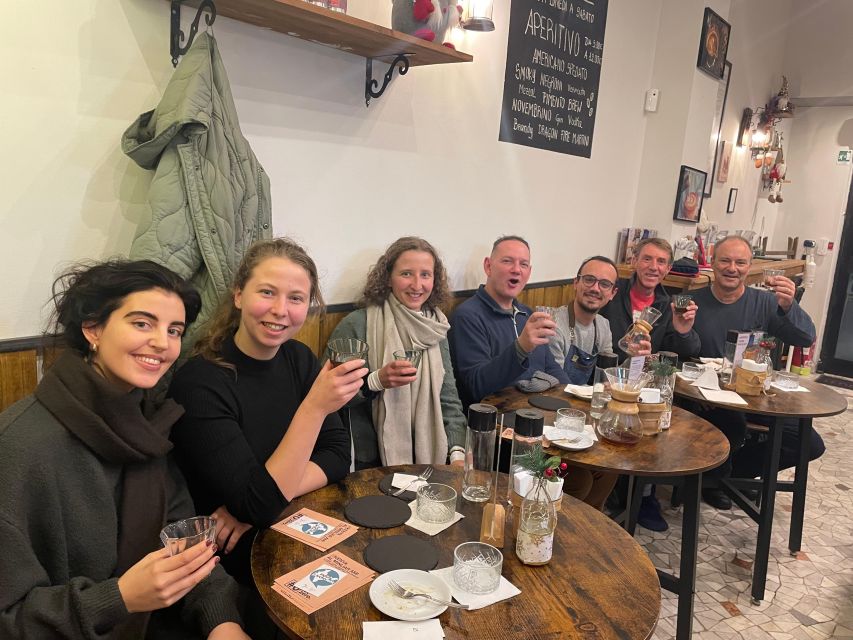
Ivone and Federico are named as the hosts who explain the brewing processes. Their style appears to be friendly and detailed rather than formal. That matters because coffee tasting can easily become too serious, especially when people start discussing grind size, extraction, and flavor notes.
The small group of up to six participants keeps the experience manageable. You have a better chance to ask why one coffee tastes different from another, or how to repeat a method at home. It also gives you room to taste at your own pace.
The session is offered in English, Italian, or Spanish. Confirm your preferred language when you book, particularly if the language of the explanation matters as much to you as the coffee.
At two hours, the timing is about right for three coffees and a proper explanation of each method. It is long enough to learn something but short enough to fit into a day of sightseeing in Milan. Avoid scheduling it when you need to rush straight to a train or another fixed appointment.
Is $35 a fair price in Milan?
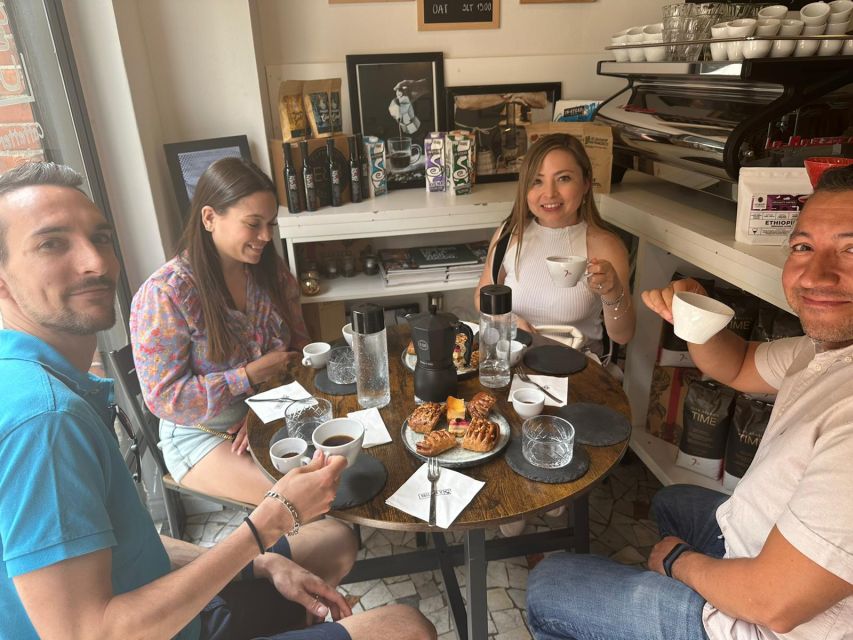
At $35 per person, the value depends on what you want from a coffee experience. If you are looking only for a quick drink, it is clearly more than the cost of an espresso. That is not the right comparison.
You are paying for three single-origin coffees, three preparation methods, instruction, water between tastings, dessert, and a small-group format. You also receive advice for home brewing and a discount on beans. Compared with a basic café visit, the price is higher. Compared with a guided tasting that teaches you how to repeat the experience at home, it is reasonable.
The value is best for someone who is curious and willing to pay attention. If you dislike black coffee or have no interest in brewing methods, the session may feel like too much information for the money. If you want to understand why one cup tastes different from another, the practical lesson makes the price easier to justify.
Who should book this coffee experience?
I would recommend it most strongly to:
- Coffee drinkers who want to move beyond cappuccino and espresso
- People who already own a moka pot and want better results
- Anyone curious about V60 or Chemex brewing
- Couples or friends with different levels of coffee interest
- Visitors seeking a calm, food-focused activity in Milan
- Home brewers who want to compare coffee origins and preparation styles
It can also work well as a gift. One participant booked it for a coffee-loving partner and ended up enjoying the tasting personally. That is a useful clue: the session does not require you to arrive as an expert.
I would be more cautious if you rarely drink coffee, dislike tasting it without milk, or prefer a quick café ritual. The session asks you to compare several cups, and some single-origin coffees may taste bright, light, or unfamiliar.
Booking details worth knowing
The experience lasts two hours and costs $35 per person. Groups are capped at six, and instruction is available in English, Italian, and Spanish.
You can cancel up to 24 hours before the start for a full refund. A reserve-now, pay-later option is also available, which helps if your Milan plans are still changing. Check the available start times before booking, since the activity does not give one fixed daily schedule.
The exact origins of the coffee are seasonal. Book this for the brewing lesson and tasting format, not for one guaranteed country or producer.
Should you book it?
Book this if you want coffee to become more than a morning habit. The moka, V60, and Chemex create a clear comparison, and the small group gives Ivone and Federico time to explain how you can use the lessons at home.
The main caution is taste. This is not a tour built around creamy drinks, and the black coffees may challenge anyone used to lattes or cappuccinos. But that is also the point. For $35, you get a focused two-hour introduction to specialty coffee, dessert, and advice you can keep using long after your Milan visit.
FAQ
How long does the coffee tasting last?
The experience lasts two hours.
How much does the activity cost?
The price is $35 per person.
Which coffee brewing methods are included?
You taste coffee prepared with a moka, a V60, and a Chemex.
How many coffees will I taste?
You will taste three different single-origin coffees. The selections may come from Africa, South America, and Asia, depending on the season and availability.
Is dessert included?
Yes. Sweets or biscuits are included, with vegan and gluten-free options available.
What languages are offered?
The activity is available in English, Italian, and Spanish.
Just added around Milan
- Visit of Verona and Lake Garda. Full day tour from Milan★ 4.6 · 5 reviews
- From Milan: Villa del Balbianello and Varenna by Train★ 4.2 · 27 reviews
- Explore History and Style with this Walking Tour in Milano★ 5.0 · 15 reviews
- Trekking in the Wood with picnic on the turtles lake★ 5.0 · 9 reviews
- Trekking in the Wood with picnic on the turtles lake★ 5.0 · 8 reviews
- LINATE – MILANO airport transfer★ 4.5 · 14 reviews
- Hot air balloon flight Milan Monday-Friday★ 5.0 · 18 reviews
- Lake Como trekking private guided tour, from Milan★ 5.0 · 9 reviews
Milan Wine Tasting Tours, compared.

Small-Group Barolo Wine Tasting, Alba & UNESCO Piedmont Hills
Read our review →
Pasta and Tiramisu Small Group Cooking Class with Wine
Read our review →
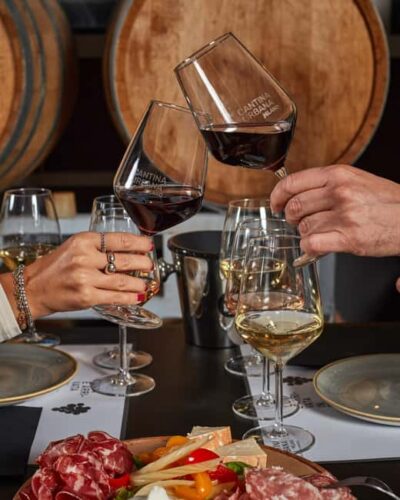
Wine Lovers Experience at Cantina Urbana Winery
Read our review →
Pizza Cooking Class with Tiramisù and Wine Tasting in Milan
Read our review →
Browse the lists this tour appears in