
Reviewed · MILAN WINE TASTING TOURS
Fun Wine Tasting with the most italian Sommelier in Milan
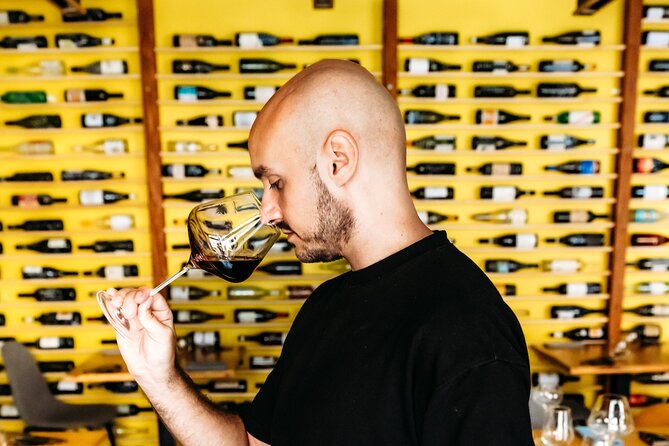
The clever part of this Milan experience is that it treats Italian sparkling wine as more than a quick toast. With sommelier Paolo guiding you, you’ll learn why Prosecco Brut and Prosecco Dry taste different, how sweetness affects classification, and what makes Valdobbiadene and Cartizze special.
I like the small maximum group of 12, which gives the tasting a personal feel, and I like the focus on useful skills rather than wine trivia. You’ll taste three wines, learn how to assess them, and leave better prepared to order Italian sparkling wine with confidence.
The main consideration is the price, about $79.52 per person for roughly two hours. That is fair if you value expert guidance and a social setting, but it may feel high if you simply want a few glasses without instruction.
Key points to know before booking
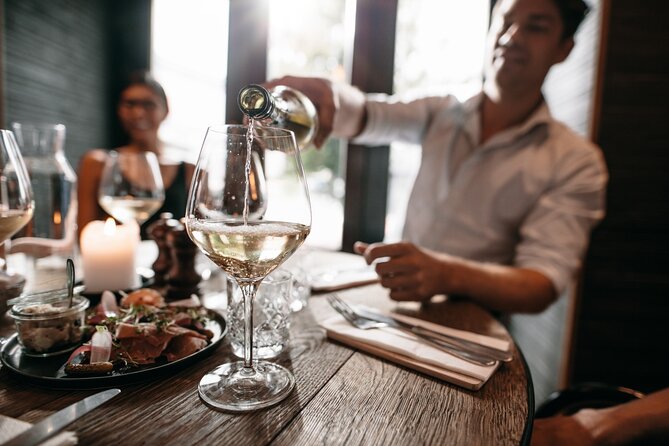
- Three Italian wines in about two hours: The tasting gives you enough time to compare wines instead of rushing through a single sample.
- Prosecco sweetness explained: You’ll learn how Brut and Dry differ in taste and classification.
- Glera takes center stage: The sommelier explains the grape most closely tied to these sparkling wines.
- Small group format: A maximum of 12 people keeps the session more intimate than a large tasting room.
- A restaurant setting in Milan: You meet at Via Giuseppe Sirtori, 6, near public transportation, and finish at the same place.
- An adults-only activity: You must be of legal drinking age, and the experience is built around tasting rather than sightseeing.
A Milan wine lesson built around sparkling wine
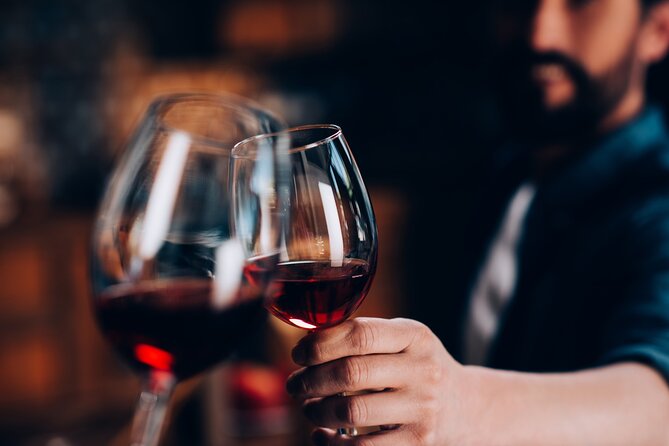
Many wine tastings throw several bottles at you and hope you remember something by the end. This one has a clearer purpose: helping you understand Italian sparkling wine, especially Prosecco and wines from the Valdobbiadene area.
That focus matters. Prosecco is often treated as a simple alternative to Champagne, but its styles can differ in sweetness, aroma, body, and finish. The session gives you a way to notice those differences instead of relying only on a label or price tag.
You’ll meet the sommelier at his restaurant on Via Giuseppe Sirtori, 6, in Milan. The setting is intended to feel friendly and local rather than formal or academic. Paolo guides the tasting, answers questions, and explains the wines in a way that suits people who may know little about Italian wine.
I like this approach because you do not need a strong wine background to take part. You can arrive with a basic question, such as why one Prosecco tastes crisp and another seems softer, and leave with a practical answer.
The experience lasts around two hours. That is enough time for an explanation, tasting, and conversation without taking up your entire evening. Since the group is limited to 12 people, you should have a better chance to ask questions than you would at a large commercial tasting.
More wine tastings around Milan:
- Milan: Pasta and Tiramisu Cooking Class with Wine
★ 4.8 · 1,106 reviews - Gnocchi, Pasta, Tiramisù and Wine Class
★ 5.0 · 691 reviews - Small-Group Barolo Wine Tasting, Alba & UNESCO Piedmont Hills
★ 5.0 · 689 reviews
Comparing Prosecco Brut and Prosecco Dry
The most useful lesson here is the difference between sweetness levels. The words Brut and Dry can confuse many drinkers because Dry does not mean the wine has no sweetness. In the Prosecco system, the terms refer to permitted sugar levels, and the taste can surprise you.
A Prosecco Brut is generally the less sweet of the two. It tends to feel crisper and more restrained, making it a natural choice if you prefer a cleaner, sharper style of sparkling wine.
Prosecco Dry contains more residual sugar, so it can taste rounder and softer. The name may sound as though it should be drier than Brut, but the classification works differently. This is exactly the sort of label detail that becomes useful when you are buying a bottle in Italy or choosing a glass with dinner.
The value of tasting the wines side by side is clear. You do not just hear the definition. You get a chance to connect the terminology with what you taste in the glass.
I would pay close attention to your own reaction here. Do not assume that the more expensive or more highly praised style will suit you best. Your preference might be Brut for an aperitivo, or Dry if you want a softer wine with a sweeter impression.
The sommelier also teaches you how to look at sweetness as one part of the wine, not the entire story. Acidity, bubbles, aroma, and finish all affect how sweet a wine seems. That makes this lesson more useful than memorizing two label terms.
Valdobbiadene, Cartizze, and the hills behind the bottle
The tasting also addresses the difference between Valdobbiadene and Cartizze. These names point to important areas within the world of Prosecco, and they can appear on bottles that cost noticeably more than everyday examples.
Valdobbiadene is associated with a respected production area in northeastern Italy. Cartizze refers to a smaller, highly regarded zone within that broader tradition. For you, the practical question is not simply which name sounds grander. It is how the wine tastes, what the label tells you, and if the difference justifies the price.
A guided tasting gives you a better way to think about this. You can compare the character of the wines and ask why one bottle carries a different designation. The session is not only about identifying a premium label. It helps you connect place, production, and flavor.
Do keep your expectations sensible. This is a Milan restaurant tasting, not a visit to the vineyards of Veneto. You will learn about the wines and taste examples, but you will not be touring the production area or walking through vineyards.
That limitation may actually suit your plans. If you have only an evening in Milan, you can get a focused introduction without spending a full day outside the city. If your main goal is to visit wineries, meet producers, and see the countryside, this experience will not replace that kind of outing.
Why the Glera grape matters
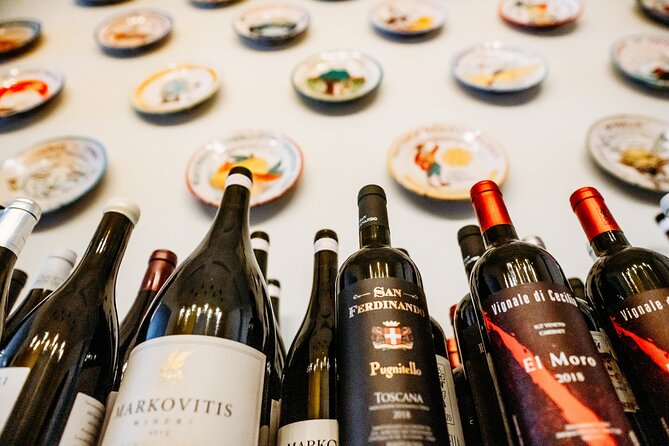
One of the central questions in the session is which grapes make these sparkling wines. You will learn about Glera, the grape most closely linked with Prosecco.
That detail gives you a stronger foundation for reading Italian wine labels. Instead of thinking only in terms of a brand or region, you begin to understand the raw material behind the wine.
Glera is not presented as an isolated fact. The sommelier connects the grape to the style of wine in your glass, including its freshness and sparkling character. For a first introduction to Prosecco, this is the right level of information: enough to make the wine more understandable, without turning the evening into a technical class.
You can also ask how the grape relates to the different wines being poured. The precise comparison will depend on the bottles selected for the session, but the tasting is designed to help you notice how wines made from the same general grape tradition can still differ.
I especially like this part for anyone who wants to remember more than a pleasant evening. Afterward, you can use the Glera connection when shopping for a bottle or asking for a recommendation in an Italian restaurant.
A different sort of day out of Milan entirely:
- Milan: Cathedral and Duomo’s Terraces Entrance Ticket
★ 4.6 · 61,054 reviews - Milan: City Sightseeing Hop-On Hop-Off Bus with Audio Guide
★ 4.0 · 6,256 reviews - Milan Cathedral: Duomo Terraces Ticket (No Church Access)
★ 4.6 · 6,111 reviews - Milan: Milan Cathedral Direct Entrance – Terrace Excluded
★ 4.5 · 5,782 reviews
Learning to taste wine without acting like a wine expert
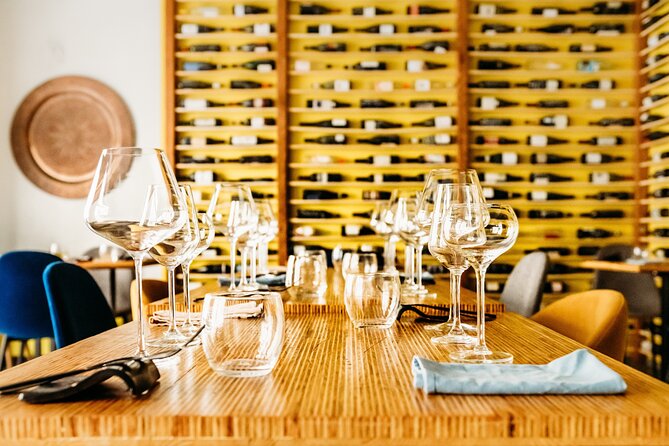
The sommelier teaches you how to taste like a professional, but you do not need to perform like one. The useful habits are simple: pay attention to appearance, smell the wine, take a small sip, and notice what remains after you swallow.
You will also learn to compare wines rather than judge each glass in isolation. A wine can seem dry until you taste a drier one. Another can appear light until it is placed beside a fuller style. Tasting in sequence helps your palate notice small changes.
This kind of instruction is valuable because wine language can feel needlessly complicated. You do not need to describe a wine with a long list of poetic terms. It is enough to identify what you like, what you do not like, and what features matter to you.
I would use the evening to ask direct questions. Tell Paolo if you prefer dry wines, softer wines, or something with more obvious bubbles. The experience is designed around conversation, and the friendly tone described by participants suggests that beginners should feel comfortable speaking up.
The social side is part of the appeal. You can make new friends while tasting, and the group size is small enough for conversation without the crowd feeling unwieldy. One person described Paolo as feeling like an old friend, which captures the informal mood the experience aims for.
Still, do not expect a quiet private consultation. With up to 12 people, you will share the sommelier’s attention. If you want a completely private tasting or a highly technical lesson, ask about that before booking, since the published format is a small shared group.
What the two-hour schedule is likely to feel like
The exact order can vary, but the experience follows a sensible rhythm.
First, you meet Paolo at the restaurant. This is the point to arrive ready to participate, not simply to sit back while someone pours wine. You will have a chance to learn about the focus of the evening and the wines selected for tasting.
Next comes the guided explanation of Italian sparkling wine. This is where terms such as Prosecco, Valdobbiadene, Cartizze, Brut, Dry, and Glera are put into context. The lesson should make the tasting easier to follow because you know what to look for before the glasses are compared.
The three wine tastings form the heart of the experience. You will sample fine Italian wines and consider their differences with the sommelier’s help. The key benefit is comparison, since the contrasts help you recognize sweetness, freshness, and overall style.
The final part is discussion and questions. You can review what you tasted, clarify confusing labels, and practice describing your preferences. Since the activity ends back at the meeting point, you do not need to arrange a separate pickup or find your way to another location.
Two hours is a comfortable length for this format. A shorter session might feel rushed, while a much longer one could become tiring, especially with alcohol involved. Even so, the experience does not appear to include a full meal, and the included item is three wine tastings. Plan your expectations accordingly.
What $79.52 buys you in Milan
At about $79.52 per person, this is not a budget glass of Prosecco. You are paying for the wines, the sommelier’s time, a restaurant setting, and a structured lesson lasting around two hours.
The price makes the most sense for someone who wants to understand what they are drinking. If Paolo helps you avoid buying bottles you will not enjoy, or teaches you enough to order more confidently for the rest of your trip, the value goes beyond the three pours.
It is less compelling for someone who already knows the difference between Prosecco styles and only wants a casual drink. In that case, a Milan bar or restaurant may offer a cheaper evening, although it will not provide the same guided comparison.
The small group helps support the price. A maximum of 12 people is not private, but it is far more personal than a large event with dozens of participants. The warm, conversational tone also matters. You are paying for access to a person who can respond to your questions, not only for liquid in a glass.
I would think of this as a compact wine class with a social side. It is a better buy if you enjoy food and drink education, want a local-style evening, or are considering a bottle of Prosecco to take home.
Location, age limits, and practical details
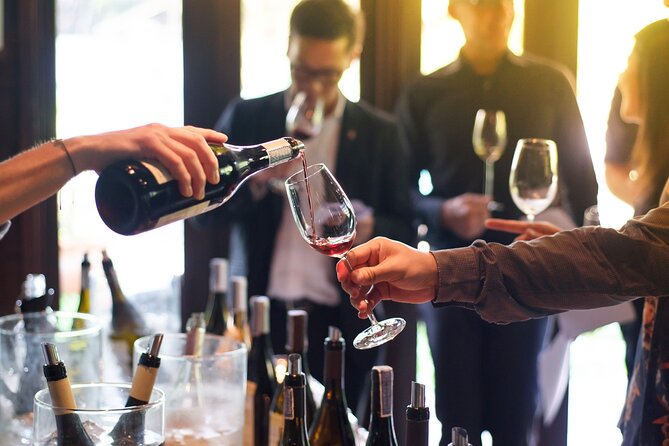
The meeting point is Via Giuseppe Sirtori, 6, 20129 Milan, Italy. The location is near public transportation, which should make it easier to reach from other parts of the city, though you should still allow enough time to arrive for the scheduled start.
The activity ends at the same address. That is helpful if you are planning dinner nearby or returning to your hotel after the tasting.
This is an adult activity for people who have reached the legal drinking age. Alcohol is central to the experience, so it is not suitable for children or anyone avoiding alcohol.
Service animals are allowed, and most people can participate. The small group cap is 12 people. Confirmation is provided at booking, and the ticket is mobile, so you can use your phone rather than print a paper voucher.
Cancellation is free if you cancel at least 24 hours before the start time. Cancellations or changes made less than 24 hours ahead are not accepted for a refund, and the cutoff follows local Milan time.
Who should book this tasting
I would recommend it to you if you want a friendly introduction to Italian sparkling wine and prefer learning through comparison. It suits solo visitors, couples, and small groups who enjoy talking over a glass rather than rushing from one sight to the next.
It is also a good fit if Prosecco labels leave you puzzled. The explanations of Brut, Dry, Valdobbiadene, Cartizze, and Glera give you concrete information you can use during the rest of your trip.
You may want to skip it if you do not drink alcohol, need a full dinner, or want a vineyard visit outside Milan. The session is about tasting and instruction in a restaurant, not a countryside excursion.
The strongest reason to book is the combination of a small group and a personal sommelier. Paolo’s friendly manner is an important part of the experience, especially if you are new to wine tasting and want to ask basic questions without feeling out of place.
Should you book it?
Book this experience if you want two relaxed hours learning how Italian sparkling wines differ, with three tastings and a sommelier who can explain the labels in plain language. The price is reasonable for a guided, small-group lesson, though it is not the cheapest way to drink Prosecco in Milan.
For the best fit, arrive curious, be ready to compare the wines, and treat the evening as a practical introduction rather than a full meal or vineyard tour. If that sounds like your kind of night, this is a smart addition to a Milan itinerary.
FAQ
Where does the wine tasting take place?
The experience begins at Via Giuseppe Sirtori, 6, 20129 Milan, Italy. It also ends back at the same meeting point.
How long does the activity last?
The tasting lasts approximately two hours.
How many wines are included?
Three fine Italian wines are included in the tasting.
What wines and topics are covered?
The experience focuses on Italian sparkling wines, including Prosecco and Valdobbiadene. You’ll learn about Brut and Dry sweetness levels, the Cartizze designation, and the Glera grape.
Who leads the tasting?
The tasting is led by a professional sommelier. The guide named in the available information is Paolo.
How many people can join the activity?
The maximum group size is 12 people.
Can I cancel for a full refund?
Yes. You can cancel for a full refund if you do so at least 24 hours before the experience start time. Cancellations or changes made less than 24 hours before the start time are not accepted for a refund.
More Food Tours in Milan
- Milan’s Authentic Street Food tour: A Gourmet Experience
★ 4.5 · 717 reviews - Milan: Guided Street Food Walking Tour with Food Tasting
★ 4.8 · 654 reviews - Milan: Sunset Navigli Food & Drinks Tour by Do Eat Better
★ 4.5 · 517 reviews - Milan: Italian Cooking Class with Food and Wine
★ 4.7 · 509 reviews
Just added around Milan
- Visit of Verona and Lake Garda. Full day tour from Milan★ 4.6 · 5 reviews
- From Milan: Villa del Balbianello and Varenna by Train★ 4.2 · 27 reviews
- Explore History and Style with this Walking Tour in Milano★ 5.0 · 15 reviews
- Trekking in the Wood with picnic on the turtles lake★ 5.0 · 9 reviews
- Hot air balloon flight Milan Monday-Friday★ 5.0 · 18 reviews
- Trekking in the Wood with picnic on the turtles lake★ 5.0 · 8 reviews
- LINATE – MILANO airport transfer★ 4.5 · 14 reviews
- Lake Como trekking private guided tour, from Milan★ 5.0 · 9 reviews
Milan Wine Tasting Tours, compared.
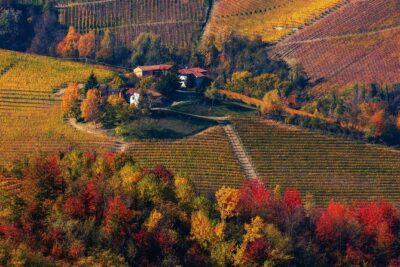
Small-Group Barolo Wine Tasting, Alba & UNESCO Piedmont Hills
Read our review →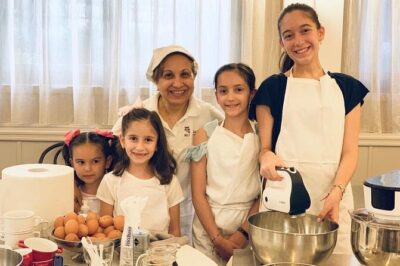
Pasta and Tiramisu Small Group Cooking Class with Wine
Read our review →
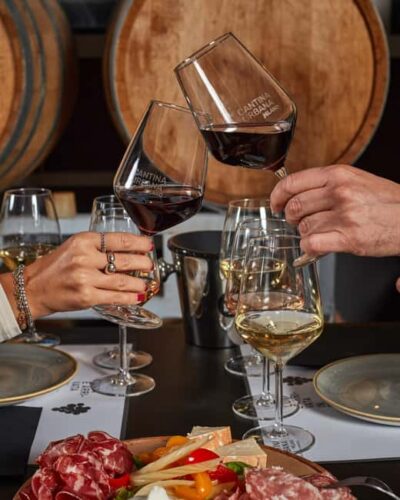
Wine Lovers Experience at Cantina Urbana Winery
Read our review →
Pizza Cooking Class with Tiramisù and Wine Tasting in Milan
Read our review →
Browse the lists this tour appears in