
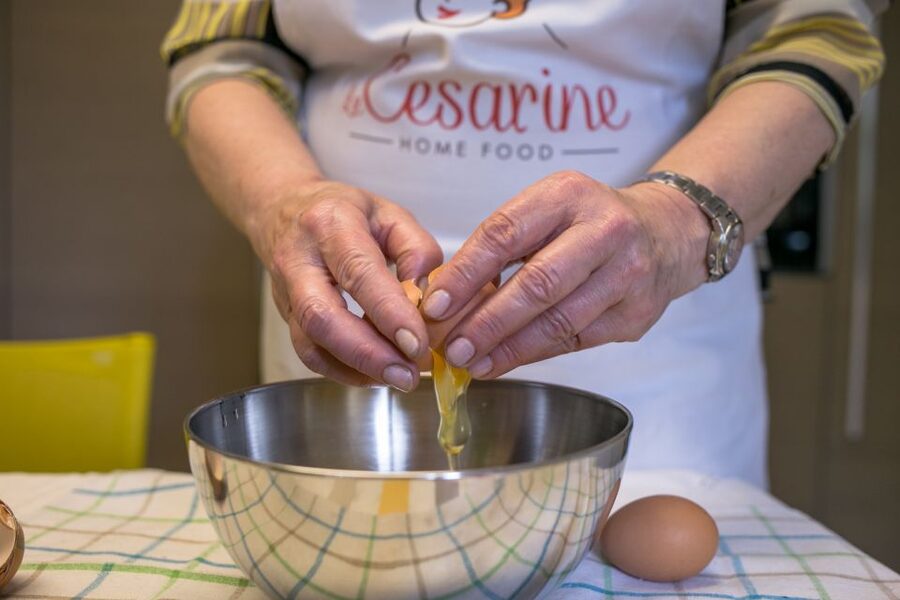
Reviewed · CESARINE HOME DINING IN MILAN
Milan: Share Your Pasta Love in a Local’s Home
Milan’s best food memories may begin away from the usual restaurant table. In this small-group pasta class, you enter a private home, share an aperitivo, and learn to make fresh pasta with a local host such as Valentina, Rosa, or Simona. You then sit down to eat what you made, with wine included.
I like the personal setting, which gives the class a warmer feel than a standard cooking school. I also like the short format: 1.5 hours is long enough to learn the basic process but easy to fit into a busy Milan schedule. The main caution is value. At $65, some people may find the pasta portion modest, and one participant felt the English explanations were brief.
Key points at a glance
- You cook in a real local home: The address is shared after booking for privacy, creating a more personal setting than a commercial kitchen.
- The menu can vary by host: Expect dishes such as tagliatelle, fettuccine, ravioli, gnocchi, or pesto, rather than one fixed recipe.
- The class starts with an aperitivo: A welcome drink and small appetizer ease you into the meal before the pasta work begins.
- Wine is included: Water, wine, coffee, a homemade pasta meal, and local taxes are covered in the $65 price.
- Groups are limited to 10: This is small enough for direct help, though the amount of hands-on time may depend on the group.
- English and Italian are available: Hosts teach in both languages, but the level of English detail can vary.
Why a Milanese home changes the cooking class
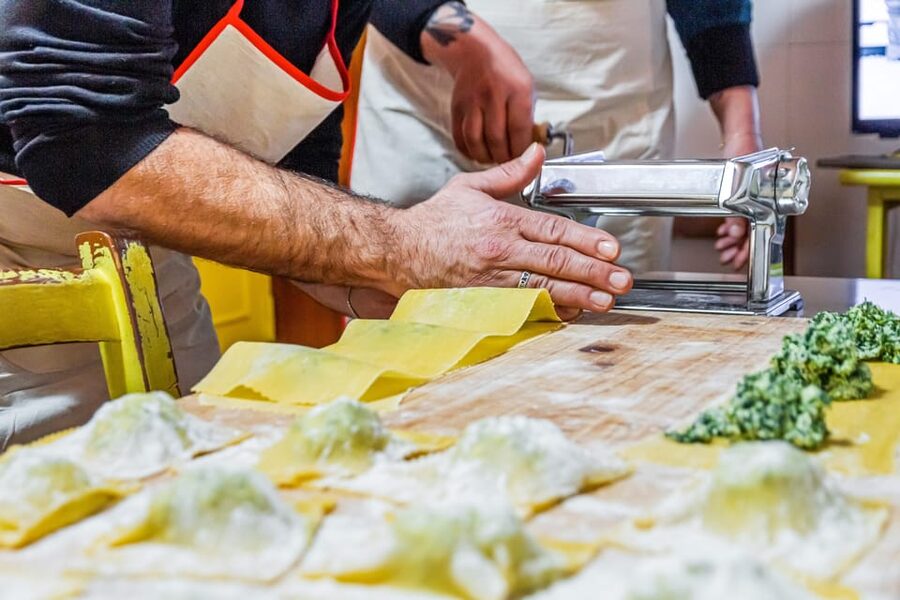
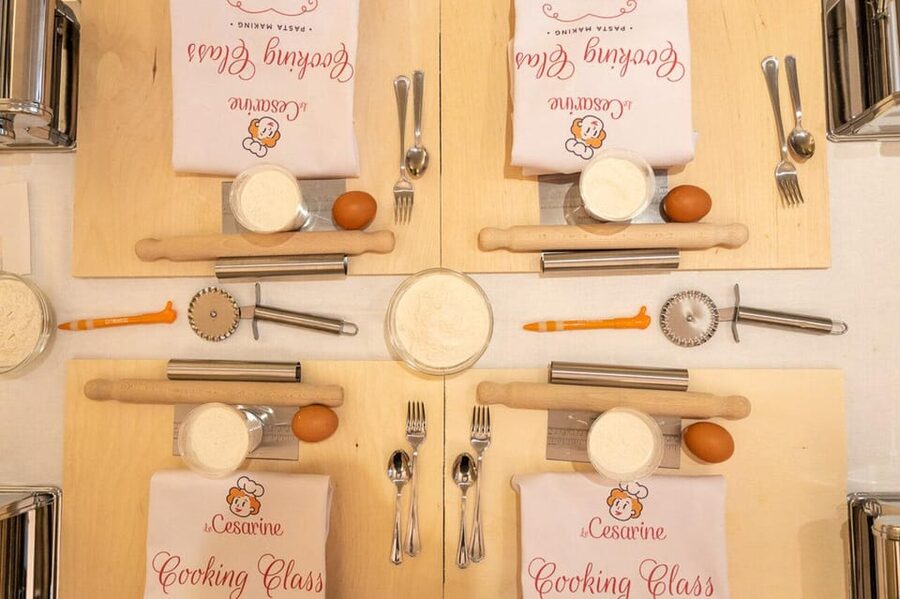
A pasta class in a private home feels different from a lesson built for large tour groups. You are not simply shown a finished plate and sent on your way. You mix, knead, and shape the dough under the guidance of a certified home cook.
That setting also lets you see a more everyday side of Milan. The home is described as stylish, and one particularly positive account praised the apartment’s cleanliness and order. Another person said the host’s home felt like their own home during the meal. Those details matter because the pleasure here is not just the pasta. It is the welcome, the conversation, and the chance to share a table in someone’s personal space.
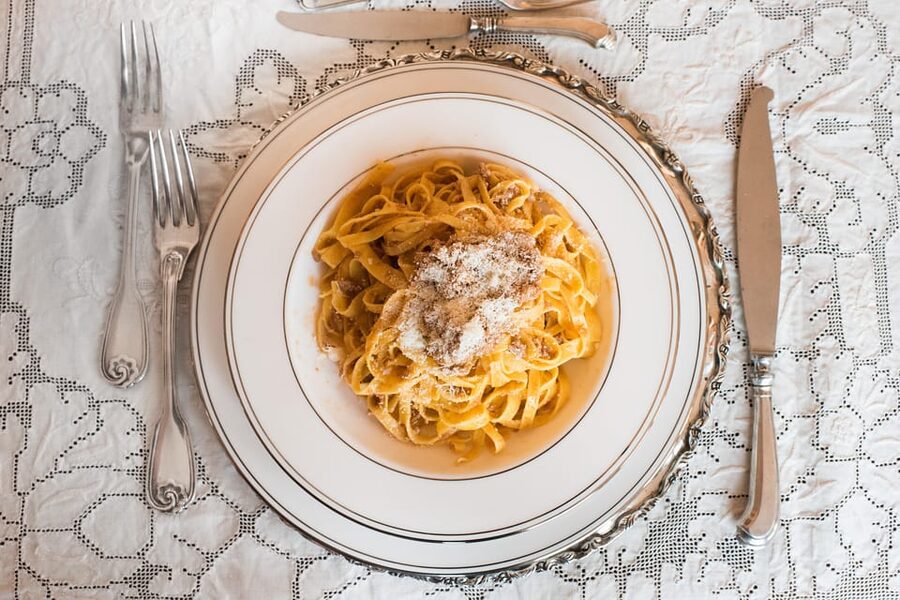
The experience is hosted by members of Cesarine, a network of Italian home cooks. Your particular host may be Valentina, Rosa, Simona, or another local cook. That means the personality of the class can differ from one booking to the next. Valentina, for example, prepared tagliatelle with a Parmesan cream sauce and welcomed her group with an aperitivo. Simona has taught gnocchi, another pasta dish, and pesto.
You should book this for the human connection as much as the recipe. If you want a formal lesson with exact measurements, a printed syllabus, and a guaranteed menu, this may feel less predictable.
More Cesarine Home Dining in Milan
- Small Group Cozy Cooking Class in a Typical Milanese Home.
★ 5.0 · 302 reviews - Milan: Pasta and Tiramisu Class at a Local’s Home
★ 4.9 · 129 reviews - Cesarine: Pasta & Tiramisu Class at Local’s Home in Milan
★ 5.0 · 52 reviews
The first 20 minutes: aperitivo and a friendly welcome
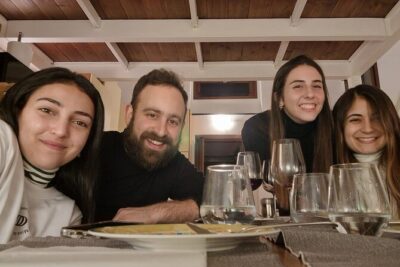
Your visit begins with a welcome from the host, followed by a small appetizer and aperitivo. This is a useful Italian custom, not filler. It gives you time to settle in, meet the other participants, and get a feel for the person leading the class.
The atmosphere is meant to be warm and social. The group can include up to 10 people, so you may be cooking with a handful of others rather than receiving a completely private lesson. A group of that size can work well when everyone takes part, though it also means you should not expect constant one-on-one attention.
This opening is one of the experience’s strongest features. The hosts are repeatedly described as kind, patient, generous, and welcoming. One group specifically praised two women hosts for taking care with every part of the visit, from the wine and pasta to dessert. Dessert is not listed as a standard inclusion, so treat that as a pleasant possibility rather than something guaranteed.
The aperitivo also gives you a chance to raise practical questions before cooking starts. If you have concerns about ingredients or need the host to repeat a step in English, speak up early. The teaching language is Italian and English, but one participant felt the English explanation was not detailed enough. Clear questions will help you get more from the short lesson.
Mixing and kneading fresh pasta by hand
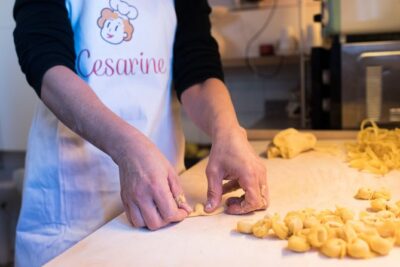
After the welcome, you move into the main activity: making fresh pasta. The process includes mixing, kneading, and shaping the dough. These are simple actions, but they explain why fresh pasta feels different from dried supermarket pasta.
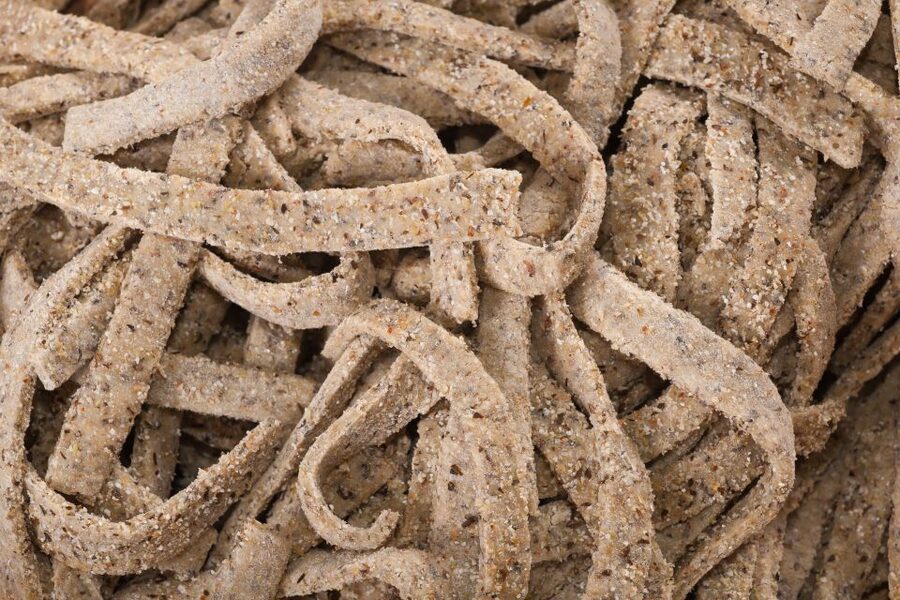
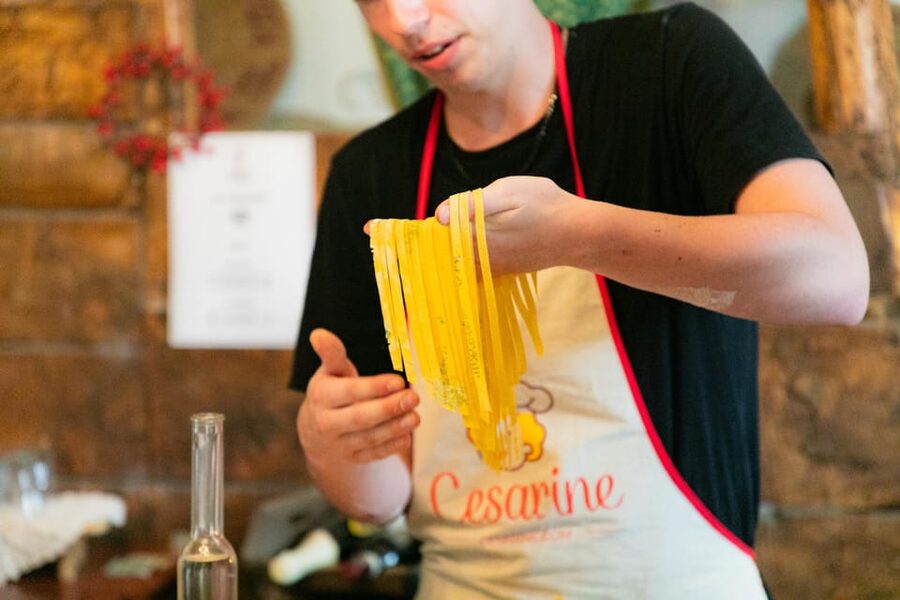
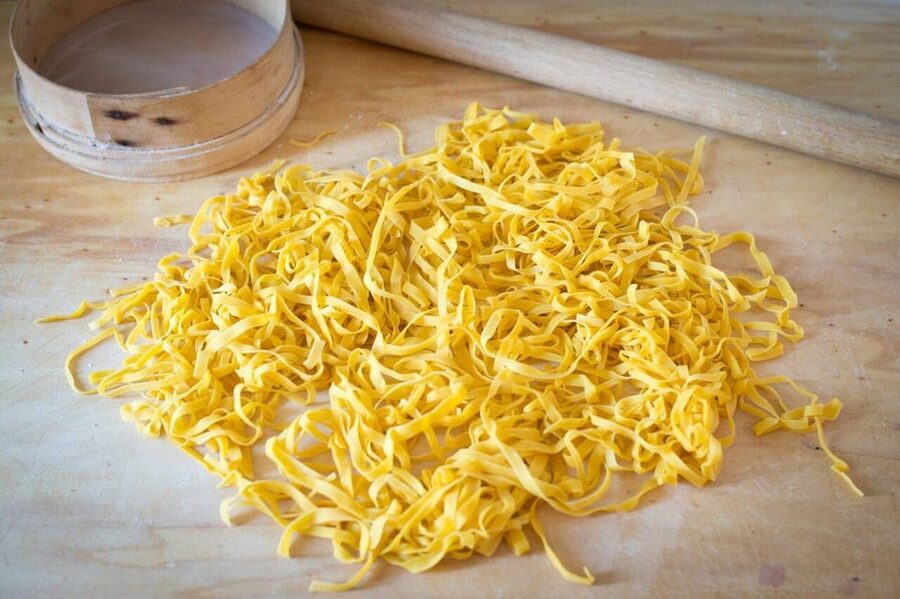
You will work with classic northern Italian preparations. Depending on the host, the class may focus on tagliatelle, fettuccine, ravioli, gnocchi, or pesto. This flexibility is a plus if you enjoy meeting a local cook and seeing how home recipes differ. It is a drawback if you have your heart set on one specific dish.
The class is suitable for beginners, and you do not need to arrive with pasta-making experience. The host guides you through the steps, and the activity is designed for people who want to learn by doing. More experienced home cooks can still pick up small techniques, especially in shaping, handling dough, or preparing the sauce.
The time limit matters here. The whole experience lasts only 1.5 hours, including the welcome, cooking, and meal. One participant felt the actual pasta preparation lasted about 20 minutes, which is an important warning for anyone expecting a long culinary workshop. The class may be satisfying as a social introduction to fresh pasta, but it is not a full-day professional lesson.
I would approach the cooking as a taste of Italian home technique, not a complete course. Pay close attention to how the host handles the dough, ask about local variations, and take mental notes. The value lies in the combination of instruction and hospitality rather than the number of recipes covered.
Choosing between tagliatelle, ravioli, gnocchi, and pesto
The exact recipe appears to depend on your host and the session. Tagliatelle and fettuccine are likely choices for a classic rolled pasta lesson. Ravioli adds filling and shaping, while gnocchi offers a different texture and method. Pesto may be taught alongside fresh pasta, as it was during one particularly enjoyable session with Simona.
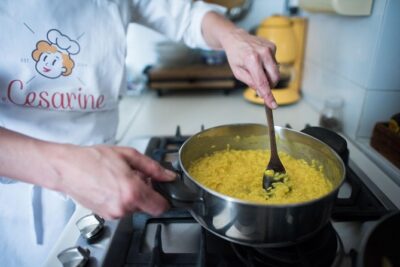
Valentina’s tagliatelle with Parmesan cream sauce gives you a good idea of the style. This is northern Italian food at its most comforting: fresh noodles, a rich cheese-based sauce, and a simple plate that depends on good ingredients and careful handling. Another session paired pasta with tomato and garlic sauce.
That variety is useful when you are comparing dates or hosts. If a particular dish matters to you, contact the provider using the details on your confirmation voucher. The published information does not promise one fixed menu for every class.
The lesson also gives you a small window into regional cooking. Milan and Lombardy are associated with hearty, elegant dishes, and the class focuses on northern Italian traditions rather than a generic international cooking format. You will not simply be assembling a tourist souvenir. You will be working with recipes the host has learned and uses as part of an Italian home-food tradition.
More cooking classes in Milan:
- The Secrets to Learn Fresh Pasta and Tiramisù in a Glam Home
★ 5.0 · 1,182 reviews - Milan: Pasta and Tiramisu Cooking Class with Wine
★ 4.8 · 1,106 reviews - Gnocchi, Pasta, Tiramisù and Wine Class
★ 5.0 · 691 reviews - Milan: Pasta and Tiramisu Small Group Cooking Class with Wine
★ 5.0 · 660 reviews
Sitting down to eat what you made
Once the pasta is ready, you sit down in the home and eat the finished dish. This is the payoff, but it is also where expectations need to stay realistic. The meal includes homemade pasta and wine, yet the portion may not feel like a large restaurant main course.
One person found the pasta serving small and described it as less than a full meal. That is the clearest criticism to keep in mind, especially if you are hungry or comparing this with a $65 restaurant dinner. The experience includes more than food, but the food portion alone may not justify the price for every budget.
Wine is included at a rate of one bottle for every three participants. Water and coffee are also provided. The meal may include an appetizer, and some hosts may add dessert, but dessert is not listed among the standard inclusions. If you are planning around dietary needs or specific courses, ask before booking.
The meal is best understood as a shared home dinner with a cooking lesson attached. You get to taste the result while talking with the host and the other participants. That conversation is a major part of the appeal. One person valued the chance to exchange ideas with Simona on many subjects, while another praised Rosa’s hospitality and the delicious food.
What the $65 price really covers
At $65 per person, the class sits above a quick market demonstration and below many long, formal cooking courses. The price includes local taxes, the aperitivo and appetizer, the practical lesson, water, wine, coffee, and the homemade pasta meal.
I think the price makes sense if you value access to a private home and the social side of the experience. You are paying for a host’s time, food, drinks, instruction, and the setting. A stylish home and a welcoming cook can make this feel special in a way a restaurant meal cannot.
The value is less convincing if your main goal is a substantial dinner or a long technical lesson. The short class may give you only a limited amount of actual preparation time. One dissatisfied participant felt the cost did not match the small portion and brief English instruction.
The published score is 4.8 from 13 ratings, with most individual accounts giving the experience the highest mark. The strongest praise centers on the hosts, the clean and attractive homes, the food, and the feeling of being welcomed into an Italian household. That pattern tells you what the experience does best: hospitality and shared food, not intensive culinary training.
Language, group size, and the host you meet
The class is offered in Italian and English. That makes it suitable for international visitors, but language comfort may vary according to the host and the pace of the group. If you need detailed explanations, ask the host to slow down or repeat a step.
The maximum group size is 10. A smaller class should give you more room to work and more chances to speak with the cook, but the exact number on your date is not specified. You may find the social setting lively, or you may prefer a quieter experience if the group is small.
The host’s style matters. Valentina was praised for patient step-by-step guidance, a generous aperitivo, and a Parmesan cream sauce. Rosa was described as sweet and hospitable. Simona shared cooking tips and traditional food knowledge in an easy, personal way.
Those differences are part of the charm, but they also mean the experience is not perfectly standardized. I would choose the class for the chance to meet a local cook, not because you can guarantee a particular teaching style or recipe unless the provider confirms it.
Who should book this pasta experience?
This class fits you well if you want a short, social activity during a Milan stay. It works especially well for couples, friends, solo visitors who enjoy meeting people, and food lovers who prefer a home setting to a restaurant kitchen.
Beginners should feel comfortable. The lesson is designed for people who have never made fresh pasta, and the host leads you through the basic steps. Experienced cooks can enjoy the regional recipes and compare methods, but should not expect advanced professional training.
It is also a good choice for anyone who values local contact. The private-home setting, aperitivo, shared meal, and conversation create a stronger personal element than a standard demonstration. If your ideal Milan activity includes a story to remember, not just a dish to photograph, this has real appeal.
I would be more cautious if you need a large dinner, have very specific dietary requirements, want a fixed recipe, or expect a detailed lesson in English. The available information does not provide a full menu, allergy policy, or accessibility details, so contact the provider before booking if any of those points affect your decision.
You can cancel up to 24 hours before the activity for a full refund, and you can reserve now and pay later. The exact home address is sent after booking for privacy. Check the confirmation carefully and use the supplied contact details if you need further information.
Should you book it?
Book this pasta class if you see it as a home-hosted cultural experience with food, not simply as a way to get a cheap plate of pasta. The welcome, conversation, wine, and personal setting are the real strengths. The cooking is approachable, and the short format fits neatly into a Milan itinerary.
Skip it if your priority is a filling dinner or a lengthy, highly technical course. At $65, a modest portion and limited hands-on time may leave you wanting more. For most people who enjoy local hospitality and want to make fresh pasta with a Milanese host, the balance is favorable. Just confirm the menu, host, and dietary details before you commit.
FAQ
How long does the Milan pasta class last?
The experience lasts 1.5 hours, including the welcome aperitivo, pasta preparation, and meal.
What types of pasta might I make?
The class may include tagliatelle, fettuccine, ravioli, gnocchi, or pesto. The exact recipe depends on the local host and session.
Is wine included?
Yes. The experience includes wine, with one bottle provided for every three participants. Water and coffee are also included.
How many people can join the class?
The group is limited to 10 participants.
What languages are spoken?
The class is offered in Italian and English.
Where does the experience take place?
It takes place in a local family’s home in Milan. The full address is shared after booking for privacy reasons.
More Pasta in Milan
- Milan Culinary Experience: Pasta & Gelato or Tiramisù Class
★ 5.0 · 337 reviews - Milan: Traditional Pasta and Tiramisù Masterclass
★ 5.0 · 307 reviews - Milan: Pasta, Ravioli, and Gelato Class in a Glamorous Home
★ 4.9 · 268 reviews - Milan: Pasta & Tiramisu Cooking Class with Premium Products
★ 5.0 · 255 reviews
Just added around Milan
- Visit of Verona and Lake Garda. Full day tour from Milan★ 4.6 · 5 reviews
- From Milan: Villa del Balbianello and Varenna by Train★ 4.2 · 27 reviews
- Explore History and Style with this Walking Tour in Milano★ 5.0 · 15 reviews
- Trekking in the Wood with picnic on the turtles lake★ 5.0 · 9 reviews
- Hot air balloon flight Milan Monday-Friday★ 5.0 · 18 reviews
- Trekking in the Wood with picnic on the turtles lake★ 5.0 · 8 reviews
- LINATE – MILANO airport transfer★ 4.5 · 14 reviews
- Lake Como trekking private guided tour, from Milan★ 5.0 · 9 reviews
Cesarine Home Dining in Milan, compared.
Small Group Cozy Cooking Class in a Typical Milanese Home.
Read our review →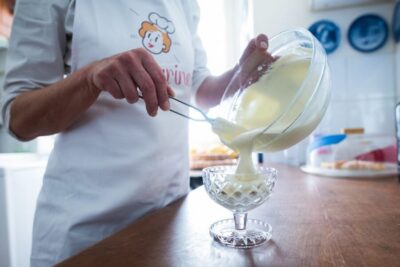
Cesarine: Pasta & Tiramisu Class at Local’s Home in Milan
Read our review →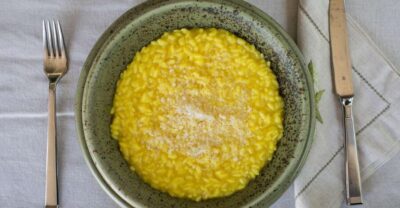
Small group Pasta and Tiramisu class in Milan by Cesarine
Read our review →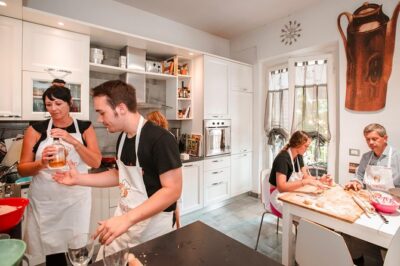
Cesarine: Cooking Class with tasting at Local’s Home in Milan
Read our review →
Cesarine: Market Tour & Cooking Class at Local’s Home in Milan
Read our review →Small Group Cozy Cooking Class in a Typical Milanese Home
Read our review →Browse the lists this tour appears in