
Reviewed · CESARINE HOME DINING IN MILAN
Small group Pasta and Tiramisu class in Milan by Cesarine
The best part of this Milan cooking class is the setting: you work in a local host’s home, not a polished school kitchen. You begin with an aperitivo of prosecco and snacks, then roll fresh sfoglia by hand and make pasta and tiramisu from scratch. It feels more like being invited to dinner than attending a formal demonstration.
I like the hands-on pasta work and the small group, which gives you more help at the table. I also like the relaxed social side. Hosts such as Sissi, Debora, Sandra, and Guliana have welcomed people into their homes, and one class even included a son translating when needed. The main drawback is that you do not know the exact home or host until later, so the location may be farther from your hotel than expected.
Key points to know before booking
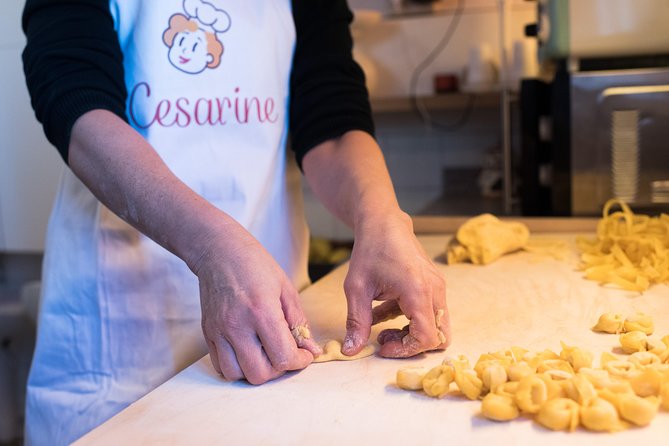
- Fresh sfoglia by hand: You roll pasta dough yourself and prepare two pasta dishes from scratch.
- A home dinner, not a studio lesson: The class takes place in a Cesarina host’s private home in Milan.
- Prosecco starts the evening: Aperitivo snacks and drinks set a social tone before cooking begins.
- Morning or evening choices: You can fit the class around sightseeing, shopping, or dinner plans.
- Small group format: The maximum is 12 people, with more room for help than in a large cooking school.
- Exact host and address come later: Check the final meeting details carefully and allow time for public transport.
Cooking pasta in a Milanese home
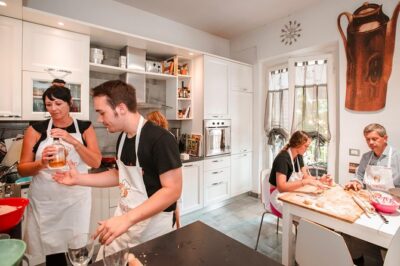
You cannot understand this class by thinking of it as only a recipe lesson. The food matters, but the setting changes the whole experience. You enter a private Milan home, meet your Cesarina host, and cook in the same kind of space where an Italian family might prepare a meal.
That home setting is especially useful if you want contact with local life without signing up for a full-day food tour. You are not simply watching a chef work at the front of a room. You handle the dough, shape the pasta, prepare dessert, and then sit down to eat what you made.
The class lasts about three hours. That is long enough for a proper meal and a generous amount of cooking, but short enough to fit into a busy Milan itinerary. I would plan it as one main activity for the morning or evening rather than squeeze it between several timed attractions.
The group can include up to 12 people. That is still large enough to create a sociable table, but smaller than many commercial food classes. Your experience will depend partly on the size of the actual group and the host’s kitchen. In a smaller group, you should get more direct help with rolling, cutting, and shaping the dough.
More Cesarine Home Dining in Milan
- Small Group Cozy Cooking Class in a Typical Milanese Home.
★ 5.0 · 302 reviews - Milan: Pasta and Tiramisu Class at a Local’s Home
★ 4.9 · 129 reviews - Cesarine: Pasta & Tiramisu Class at Local’s Home in Milan
★ 5.0 · 52 reviews
Starting with prosecco and aperitivo
The class begins with prosecco and snacks, which gives you a gentle way into the evening. This is not just a drink before the serious part starts. Aperitivo is a useful piece of Italian food culture, a time to talk, nibble, and settle into the meal ahead.
If you choose the evening session, this opening can feel like a friendly break from Milan’s busy streets. One account of the class described a quiet evening away from the city center, which may appeal if you have already spent the day among crowds and traffic.
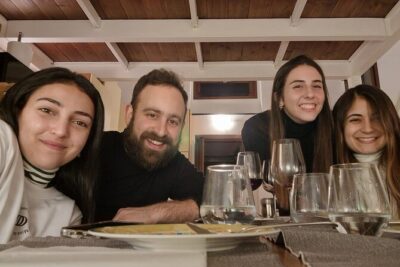
The aperitivo also helps people meet one another before the cooking begins. You may be sharing the table with families, couples, or solo visitors. The atmosphere is less formal than a chef-led lesson, and the host’s home gives the gathering a personal feel.
Do not expect the same drinks at every class beyond the advertised prosecco and snacks. Host-led details can differ. One evening included red wine, limoncello, and additional sweets, but that should be treated as a pleasant possibility rather than a guaranteed part of every booking.
Rolling sfoglia by hand
The central skill is sfoglia, fresh pasta dough rolled by hand. This is where the class earns its place on your Milan schedule. You are not only eating a bowl of pasta. You are learning how a simple mixture becomes a meal through pressure, patience, and careful shaping.
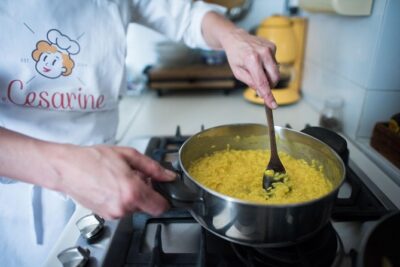
Your Cesarina guides you through the dough and helps you prepare two different pasta dishes. The exact regional example can vary. The menu information lists possibilities such as pizzoccheri, risotto, or lasagna, while the class description focuses on two pasta preparations. Ask your host what will be made when you arrive if the exact dishes matter to you.
That variation is worth keeping in mind. A visitor hoping specifically for ravioli, for example, should not assume it will appear in every session, even though one class included pasta and ravioli. The same is true for lasagna, pizzoccheri, or risotto. The broad promise is a fresh pasta lesson, not one fixed restaurant menu.
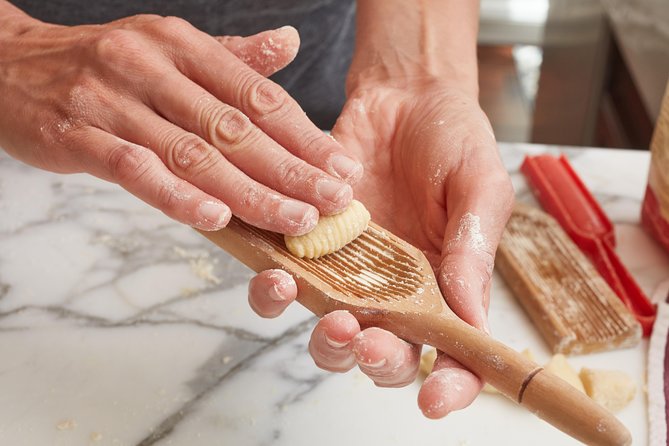
The practical value of rolling dough by hand is that you can take the technique home. You learn by feel: how thin the sheet should be, how to work the dough, and how to turn a basic preparation into different shapes. The class is suitable for people who want to cook, not just watch.
Families may find this especially appealing. A parent described the class as kid-friendly, with the children taking part in making and preparing less processed food. The work is active and concrete, which can hold a child’s attention better than a long explanation about Italian cuisine.
Two pasta dishes, then a proper meal
Making two kinds of pasta gives the class more range than a single-recipe workshop. You get to see how one cooking tradition can produce different textures, shapes, and regional styles. You also have more to eat at the end, which matters when the experience occupies an entire meal period.
The class is not simply a demonstration followed by a token sample. You prepare the dishes and then eat what you have made. That creates a satisfying finish, though it also means the final meal depends partly on how well the group works together and how much guidance the host provides.
Several hosts have been praised for their instruction and care. Sandra was described as a kind teacher whose pasta was especially light. Guliana received warm praise for her hosting in Milan, while Sissi was noted for sharing information about Milan, its food, and its people as everyone cooked.
The hosts are not interchangeable chefs with identical scripts. That is part of the appeal, but it also means you should expect differences in pace, menu, language support, and home setting. One class involved a host’s son translating when needed, showing that English communication can be practical and informal rather than perfectly polished.
More tiramisu and gelato classes:
- The Secrets to Learn Fresh Pasta and Tiramisù in a Glam Home
★ 5.0 · 1,182 reviews - Milan: Pasta and Tiramisu Cooking Class with Wine
★ 4.8 · 1,106 reviews - Gnocchi, Pasta, Tiramisù and Wine Class
★ 5.0 · 691 reviews - Milan: Pasta and Tiramisu Small Group Cooking Class with Wine
★ 5.0 · 660 reviews
Making tiramisu from scratch
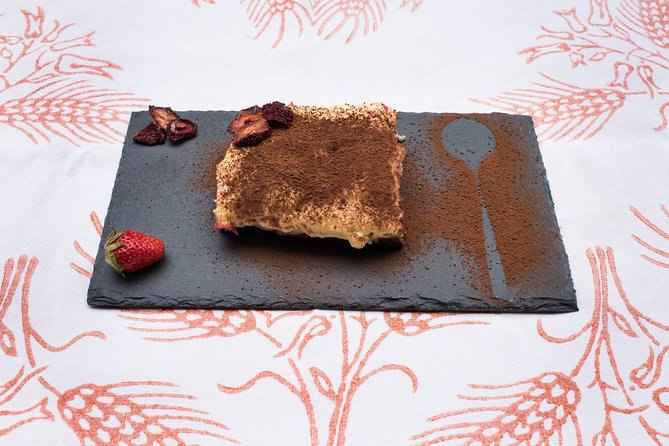
Tiramisu is the dessert portion of the class, and it gives the evening a sweet second act. You prepare it under your host’s direction, then serve it after the pasta. The recipe is familiar to many people, but making it in an Italian home adds a useful food lesson to the standard Milan sightseeing list.
The dessert also breaks up the pasta work. You move from rolling and shaping dough to assembling a dish that needs a different set of steps. That variety helps the three hours pass naturally and makes the class feel like a complete meal rather than a single workshop.
The quality of the final tiramisu will depend on the host and the day’s preparation. One account called the result perfection, but you should read that as a sign that the dessert can be a highlight, not as a fixed guarantee. The more important point is that tiramisu is part of the planned menu, not an optional extra.
I like the balance here. Pasta gives you a skill to practice, while tiramisu supplies an easier, more familiar dessert project. You finish with both a savory meal and a classic Italian sweet.
The value of a private-home setting
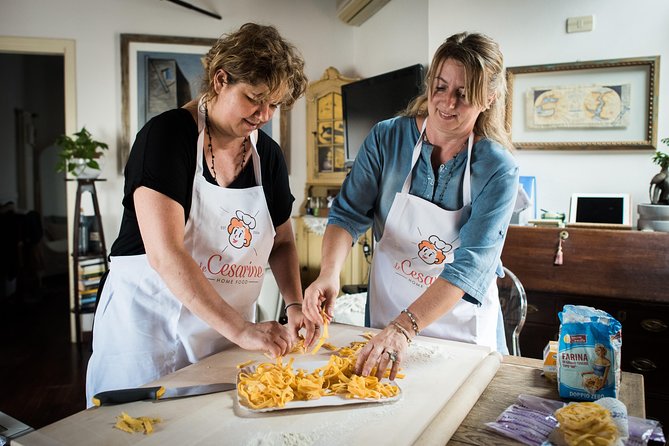
A cooking school can offer equipment, space, and a steady format. A private home offers something else: conversation, personal stories, and a look at how a local host welcomes people to the table.
One host set the table with china plates and silverware, turning the meal into a proper dinner rather than a quick tasting. Another host made the group feel like friends stopping by for drinks and conversation. Those details explain why this experience can feel more personal than a standard cooking class.
The tradeoff is predictability. You do not choose a specific host from the names that appear in past accounts. You may be assigned someone else, and the home could be in a different part of Milan from what you first expect. The exact location is not provided at the initial booking stage, and one account specifically warned that it might be farther away than expected.
That is not a reason to reject the class, but it is a reason to plan carefully. Submit your accommodation location accurately, check the confirmed address as soon as it arrives, and use Milan’s public transport. The class is near public transportation, and one person reached a host’s home easily by tram.
Morning or evening: which session fits you?
The morning option suits you if you want a substantial activity before an afternoon of sightseeing. You will have the rest of the day free, though a pasta meal may make a lighter schedule appealing afterward.
The evening option works well if you prefer to make the class your dinner. You start with aperitivo, cook, and eat your finished dishes in the host’s home. This is a good choice for anyone who wants to leave the city center for a quieter few hours.
I would avoid scheduling a major timed attraction immediately after the class. The advertised duration is about three hours, but home cooking has a natural rhythm. Groups may need different amounts of time to roll and shape the pasta, and conversation can stretch the meal.
The class is offered in English. That makes the basic instruction accessible, though individual hosts may have different levels of spoken English. The example involving a family member translating suggests that help may be available if a cooking term needs clarification.
Is $155.42 a fair price?
At $155.42 per person, this is not a cheap meal. You are paying for more than ingredients and a plate of pasta. The price includes roughly three hours of instruction, hands-on cooking, an aperitivo, a full meal, dessert, drinks in at least some sessions, and the chance to spend time in a local home.
The value is strongest if you would otherwise pay for both dinner and a separate food activity. You get something to eat, a cooking lesson, and a social evening in one booking. It is also useful for families who want an activity with a clear purpose rather than another museum visit.
The price is less attractive if you mainly want a quick taste of pasta or if you dislike group activities. A Milan restaurant will cost less for a simple pasta dish, and a formal cooking school might appeal more if you want a fixed menu, professional kitchen, and guaranteed instructor style.
The small group helps support the cost. With a maximum of 12 people, you have a better chance of receiving individual help than in a large class. Still, the class is best judged as a cultural meal experience with cooking included, not as the least expensive way to eat dinner in Milan.
Who will enjoy this class most?
I would recommend it to people who want to meet a local host, cook with their hands, and share a meal at an unhurried pace. It suits couples, families, and solo visitors who enjoy sitting down with new people.
It is also a strong choice for anyone interested in Italian food beyond restaurant menus. You learn about pasta through touch and practice, and the host may add personal details about Milan, local food, and daily life.
Families should consider it seriously, since the hands-on work can keep children involved. That said, parents should judge their own children’s patience and comfort in a private home. The class is social and cooperative, not a private family kitchen lesson.
You may want a different activity if you require a fixed host, a guaranteed dish, or a precise location close to your hotel. The host names connected with individual sessions, including Sissi, Debora, Sandra, and Guliana, are useful examples of the kind of welcome you might receive, but they are not a promise of who will teach your class.
Practical details before you reserve
You receive confirmation at booking, but the exact meeting details come later. Read the final instructions closely, especially if you are staying outside central Milan or have an evening train to catch.
The activity begins and ends at the meeting point. It is near public transportation, and the class can be booked for either morning or evening. The maximum group size is 12 people.
The provider supplies basic sanitary equipment in the home, including paper towels and hand sanitizer. The stated guidance asks people to keep one meter apart when possible and use masks and gloves when that distance cannot be maintained.
Free cancellation applies if you cancel at least 24 hours before the start time. Changes made inside that window are not accepted, and a late cancellation is not refunded. The class also requires a minimum number of people, so if the provider cancels because that minimum is not reached, you are offered another date or experience, or a full refund.
Should you book the Milan pasta class?
Book it if you want a meal with a personal story attached. The strongest parts are the fresh sfoglia lesson, the tiramisu, the aperitivo, and the chance to cook in a Milanese home rather than sit in a classroom.
Go in with flexible expectations. Your host, address, menu details, and extra drinks may differ, and the home may not be as close to your hotel as you first assume. If those points are acceptable, the $155.42 price buys a substantial three-hour experience with food, instruction, and local contact.
I would choose the evening session for a relaxed dinner plan, or the morning class if you want to keep your night free. For a family, a food-focused couple, or anyone tired of sightseeing from behind a rope barrier, this is a practical and memorable way to spend part of your Milan visit.
FAQ
How long does the pasta and tiramisu class last?
The class lasts approximately three hours.
Where does the class begin and end?
It starts in Milan, in the Metropolitan City of Milan, Italy, and ends back at the meeting point.
Is the class held in a private home?
Yes. Cesarina hosts welcome participants into their homes for the cooking class and meal.
What food will I prepare?
You learn to roll sfoglia by hand, prepare two different pasta dishes, and make tiramisu. Regional pasta examples include pizzoccheri, risotto, or lasagna, but the exact menu can vary.
Is prosecco included?
The class begins with an aperitivo featuring prosecco and snacks.
Is the class offered in English?
Yes, the experience is offered in English.
How many people can join the class?
The maximum group size is 12 people.
Can I cancel for a full refund?
Yes. You can cancel for a full refund up to 24 hours before the experience start time. Cancellations or changes made less than 24 hours before the start are not refunded or accepted.
More Pasta in Milan
- Milan: Pasta, Ravioli, and Gelato Class in a Glamorous Home
★ 4.9 · 268 reviews - Milan: Pasta & Tiramisu Cooking Class with Premium Products
★ 5.0 · 255 reviews - Milan: Fresh Pasta and Tiramisù Class in A Historical Home
★ 4.9 · 195 reviews - The secrets to Learn Fresh Pasta & Gelato in a Glam Home
★ 5.0 · 150 reviews
More Cooking Classes in Milan
- Milan Cooking Class: Authentic Pizza & Gelato Making
★ 5.0 · 582 reviews - Milan: Italian Cooking Class with Food and Wine
★ 4.7 · 509 reviews - Milan Culinary Experience: Pasta & Gelato or Tiramisù Class
★ 5.0 · 337 reviews - Milan: Traditional Pasta and Tiramisù Masterclass
★ 5.0 · 307 reviews
Just added around Milan
- Visit of Verona and Lake Garda. Full day tour from Milan★ 4.6 · 5 reviews
- From Milan: Villa del Balbianello and Varenna by Train★ 4.2 · 27 reviews
- Explore History and Style with this Walking Tour in Milano★ 5.0 · 15 reviews
- Trekking in the Wood with picnic on the turtles lake★ 5.0 · 9 reviews
- Hot air balloon flight Milan Monday-Friday★ 5.0 · 18 reviews
- Trekking in the Wood with picnic on the turtles lake★ 5.0 · 8 reviews
- LINATE – MILANO airport transfer★ 4.5 · 14 reviews
- Lake Como trekking private guided tour, from Milan★ 5.0 · 9 reviews
Cesarine Home Dining in Milan, compared.
Small Group Cozy Cooking Class in a Typical Milanese Home.
Read our review →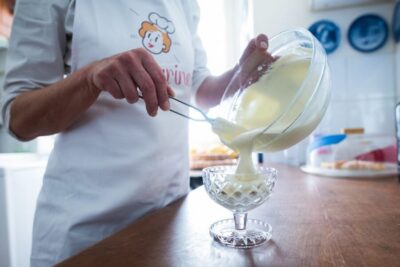
Cesarine: Pasta & Tiramisu Class at Local’s Home in Milan
Read our review →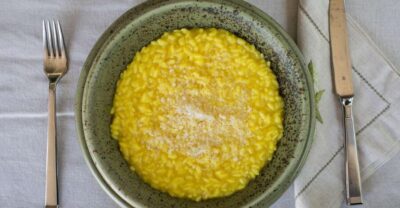
Cesarine: Cooking Class with tasting at Local’s Home in Milan
Read our review →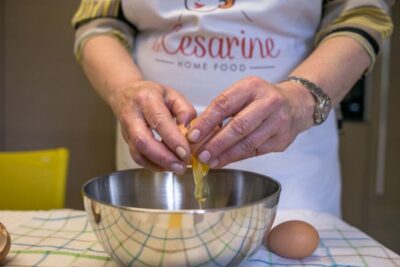
Cesarine: Market Tour & Cooking Class at Local’s Home in Milan
Read our review →Small Group Cozy Cooking Class in a Typical Milanese Home
Read our review →Browse the lists this tour appears in